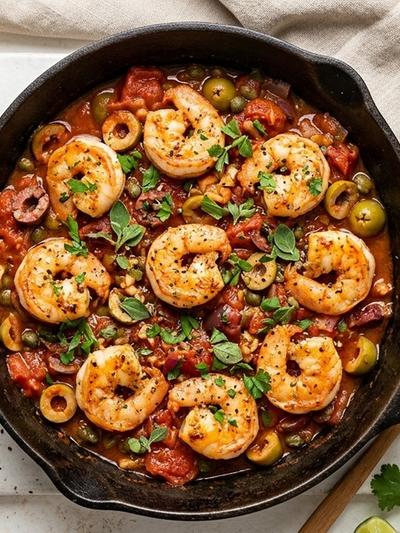
Each bowl of this Caribbean shrimp pepper pot delivers 34 grams of protein and just 338 calories, built on a foundation of stir-seared shrimp, black-eyed peas, and a fragrant allspice-thyme broth. Shrimp provides lean, fast-digesting protein with virtually no saturated fat, while the black-eyed peas add both fiber and plant protein to round out the amino acid profile. The recipe also packs a full serving of vegetables between the bell peppers, tomatoes, and wilted callaloo greens.
The flavor here is distinctly Caribbean without relying on heavy coconut cream or sugar-laden sauces. Allspice and fresh thyme create that unmistakable island warmth, while a touch of scotch bonnet brings measured heat that you can dial up or down. A splash of light coconut milk adds just enough body to the broth, and a squeeze of fresh lime at the end brightens everything — the kind of bowl that tastes like it took far longer than the 25 minutes it actually requires.
This soup format works exceptionally well for GLP-1 users because the warm broth helps with hydration while the protein-dense shrimp and legumes keep you satisfied on a smaller portion. The stir-fry step builds deep flavor quickly through high-heat caramelization, so you get complex taste without the long cook times or heavy fats of traditional pepper pot recipes. Each bowl is a complete, balanced meal that sits comfortably even when appetite is limited.
Why This Works on GLP-1
With 34 grams of protein per serving, this pepper pot covers roughly half the daily protein target that most healthcare providers recommend during GLP-1-assisted weight loss. Preserving lean muscle mass is one of the biggest nutritional challenges on medications like Mounjaro and Wegovy, because reduced appetite often means reduced protein intake along with everything else. Shrimp is particularly effective here — it's one of the leanest animal proteins available at just 1 gram of fat per ounce, and it digests more easily than red meat or dense poultry. The black-eyed peas contribute an additional 4 grams of plant protein per serving, providing the branched-chain amino acids that support muscle protein synthesis.
The 6 grams of fiber per bowl come primarily from the black-eyed peas and vegetables, landing in a range that supports digestive regularity without the bloating risk of higher-fiber legumes like kidney beans or chickpeas. Black-eyed peas are notably gentler on the stomach than most legumes, making them a smart choice when GLP-1 medications like Ozempic are already slowing gastric emptying. The broth-based format also helps — warm liquids tend to be easier to tolerate than dense, dry foods during the adjustment period.
Shrimp is an excellent source of selenium and iodine, two trace minerals that support thyroid function during caloric restriction. The bell peppers provide over 100% of your daily vitamin C in a single serving, which aids iron absorption from the black-eyed peas. At 338 calories per generous bowl, this leaves ample room in your daily budget for other meals and snacks.
Ingredients (serves 4)
For the stir-fry base:
- 1½ lbs (680g) large shrimp, peeled and deveined
- 1 tablespoon avocado oil
- 1 medium yellow onion, diced
- 2 stalks celery, sliced
- 1 large red bell pepper, cut into short strips
- 4 cloves garlic, minced
- 1 scotch bonnet pepper, left whole (or ½ teaspoon cayenne)
- ½ teaspoon ground allspice
- 4 sprigs fresh thyme (or 1 teaspoon dried)
For the broth:
- 4 cups (960ml) low-sodium chicken broth
- 1 can (14.5 oz / 411g) diced tomatoes, undrained
- 1 can (15 oz / 425g) black-eyed peas, drained and rinsed
- ¼ cup (60ml) light coconut milk
- 3 cups (90g) fresh callaloo or baby spinach
- Juice of 1 lime
- ½ teaspoon salt, or to taste
- ¼ teaspoon black pepper
For serving:
- Lime wedges
- Fresh cilantro leaves (optional)
- Hot sauce (optional)
Instructions
Stir-fry the shrimp and aromatics:
- Pat the shrimp dry with paper towels — removing surface moisture is essential for getting a proper sear rather than steaming them in the pan. Season lightly with salt and pepper.
- Heat the avocado oil in a large Dutch oven or heavy-bottomed pot over high heat until it just begins to shimmer. Add the shrimp in a single layer, working in two batches if needed to avoid crowding. Sear for 60–90 seconds per side until pink and lightly charred at the edges. Transfer to a plate and set aside.
- Reduce heat to medium-high. Add the onion, celery, and bell pepper to the same pot. Stir-fry for 3–4 minutes until the vegetables soften and pick up the fond from the shrimp. The browned bits on the pot bottom are flavor — do not discard them.
- Add the garlic, whole scotch bonnet, allspice, and thyme sprigs. Stir constantly for 30 seconds until the garlic is fragrant. The allspice should bloom in the heat, releasing its warm, clove-like aroma.
Build the soup:
- Pour in the chicken broth and diced tomatoes with their juices. Use a wooden spoon to scrape up any remaining browned bits from the pot bottom — this is where much of the Caribbean depth of flavor lives.
- Add the black-eyed peas and bring the mixture to a steady simmer. Cook for 8–10 minutes to let the flavors meld and the peas heat through completely.
- Stir in the light coconut milk and callaloo (or spinach). The greens will wilt in about 1–2 minutes. If using spinach, add it at the very end to prevent overcooking.
- Return the seared shrimp to the pot along with any juices from the plate. Simmer for just 1–2 minutes to warm through — the shrimp are already cooked, and overcooking will make them rubbery.
- Remove the whole scotch bonnet and thyme sprigs. Squeeze the lime juice directly into the pot and stir once. Taste and adjust salt if needed.
Serve:
- Ladle into bowls, distributing the shrimp and peas evenly. Garnish with fresh cilantro and a lime wedge on the side. Serve immediately while the broth is hot and the shrimp are tender.
Nutrition per Serving
| Nutrient | Amount (approx.) |
|---|---|
| Calories | ~338 kcal |
| Protein | ~34g |
| Fat | ~9g |
| Carbohydrates | ~28g |
| Fiber | ~6g |
Based on 4 equal servings using large shrimp (26–30 count), canned black-eyed peas, and light coconut milk. Sodium will vary based on broth choice and added salt.
Practical Notes
The whole scotch bonnet trick. Adding the scotch bonnet pepper whole — without cutting or piercing it — gives the broth a gentle, aromatic warmth without overwhelming heat. It infuses flavor compounds without releasing the capsaicin-heavy seeds and membranes. If you want more heat, pierce it once with a knife partway through cooking. Remove it before serving either way.
Meal prep stores well for 3 days. Portion into individual containers with lids, keeping the broth level high to prevent the shrimp from drying out. Reheat gently on the stovetop over medium-low heat. Avoid microwaving at full power, which can toughen the shrimp — use 50% power in 90-second intervals instead. The broth actually improves overnight as the allspice and thyme continue to develop.
Frozen shrimp works perfectly here. Thaw frozen shrimp in the refrigerator overnight or under cold running water for 10 minutes. Frozen shrimp is often flash-frozen on the boat and may actually be fresher than "fresh" counter shrimp that has been sitting for days. Just be sure to pat them very dry before searing.
Callaloo substitutions. Callaloo (taro or amaranth leaves) is the traditional Caribbean green, but baby spinach is the easiest substitute and behaves almost identically in this recipe. Swiss chard or young kale also work — just add them 2 minutes earlier than you would spinach since they take slightly longer to wilt.
For smaller GLP-1 appetites, split into 6 servings. This brings each portion to roughly 225 calories and 23 grams of protein — still a nutritionally meaningful meal for those in the early weeks of Zepbound or other GLP-1 medications when tolerance is building. The broth-forward format makes smaller portions feel substantial, and you can always sip additional warm broth on the side for hydration.
Frequently Asked Questions
Will this soup be too heavy if I'm experiencing nausea on my GLP-1 medication?
Can I use a different protein instead of shrimp?
How long does this keep in the fridge, and can I freeze it?
I'm in my first month on Ozempic and can only eat very small amounts. How should I approach this?
How spicy is this with the scotch bonnet, and can I control the heat level?
This article provides general food and nutrition guidance only. It does not constitute medical advice. Always consult your healthcare provider regarding your GLP-1 medication and individual nutritional needs.