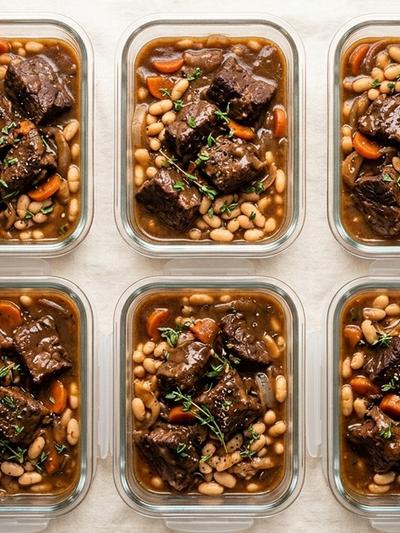
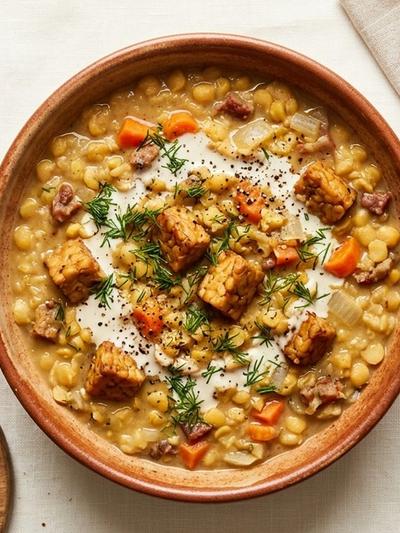
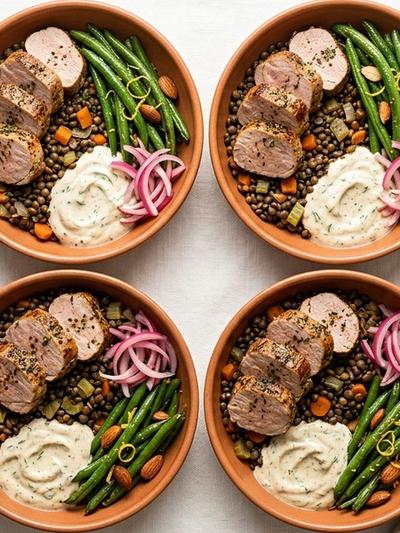
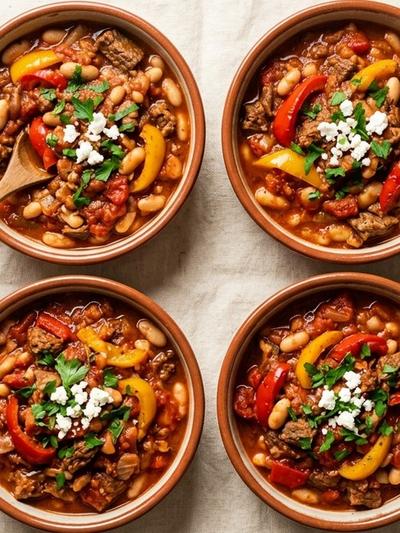
Each bowl of this Swedish kalops delivers 42 grams of protein from lean sirloin and cannellini beans, along with 9 grams of fiber from root vegetables and legumes. At just 395 calories per generous serving, it concentrates serious nutrition into a portion size that respects the smaller appetite most GLP-1 users develop within the first few weeks. The stew also provides meaningful iron from the beef and potassium from the turnips — two nutrients that can run low during sustained caloric restriction.
Kalops is one of Sweden's oldest comfort foods, a slow-braised beef stew built on just a few aromatics: allspice, bay leaves, and white pepper. The allspice lends a warm, faintly sweet depth that distinguishes this from French or German stews, while the white pepper adds clean heat without any harshness. Turnips and carrots soften into the braising liquid, creating a broth that tastes richer than its modest fat content suggests.
The recipe is purpose-built for batch cooking. One Sunday pot yields four sealed containers for the week ahead, and the stew actually improves after a night in the fridge as the allspice and bay infuse deeper into the beef. Each portion reheats in under four minutes — a genuine weeknight dinner with no additional prep, no decisions, and no temptation to order something less nourishing instead.
Why This Works on GLP-1
Muscle preservation is one of the most important nutritional goals during GLP-1-assisted weight loss. Research consistently shows that people on medications like Mounjaro or Wegovy can lose lean mass alongside fat unless protein intake stays high — generally 1.0 to 1.2 grams per kilogram of body weight daily. This kalops provides 42 grams of complete protein per serving, primarily from beef sirloin, which contains all essential amino acids including leucine, the key trigger for muscle protein synthesis. That single bowl covers roughly half the daily protein target for a 170-pound adult.
The 9 grams of fiber per serving come from a combination of cannellini beans, turnips, and carrots — all sources of soluble fiber that forms a gentle gel in the digestive tract rather than the rough insoluble fiber that can aggravate the slowed gastric emptying common on GLP-1 therapy. White beans in particular provide resistant starch, which feeds beneficial gut bacteria without the bloating that raw cruciferous vegetables sometimes cause.
The braising method renders the beef exceptionally tender, which matters when GLP-1 medications reduce the stomach's mechanical churning speed. Soft-textured proteins break down more easily than grilled or seared meats, reducing the risk of the uncomfortable fullness or nausea that some Zepbound users report after eating tougher cuts. The low fat content — just 11 grams per serving — also helps, since dietary fat is the slowest macronutrient to empty from the stomach.
Ingredients (serves 4)
For the stew:
- 1¼ lbs (565g) lean beef top sirloin, trimmed of visible fat and cut into 1-inch cubes
- 2 tsp olive oil
- 1 large yellow onion, diced (about 1½ cups / 200g)
- 2 medium carrots, peeled and sliced into ½-inch rounds (about 200g)
- 2 medium turnips, peeled and cut into ¾-inch cubes (about 300g)
- 3 whole allspice berries (or ¼ tsp ground allspice)
- 2 dried bay leaves
- ½ tsp ground white pepper
- ½ tsp fine sea salt
- 1 tbsp white wine vinegar
- 2 cups (480ml) low-sodium beef broth
- 1 can (15 oz / 425g) cannellini beans, drained and rinsed
For the mustard-dill yogurt:
- ½ cup (120g) plain nonfat Greek yogurt
- 1 tbsp whole-grain mustard (Swedish senap or Dijon)
- 1 tbsp fresh dill, finely chopped
- Pinch of fine sea salt
For garnish:
- 2 tbsp fresh dill, roughly chopped
Instructions
Sear the beef:
- Pat the sirloin cubes dry with paper towels — surface moisture prevents browning and will steam the meat instead. Season lightly with half the salt and the white pepper.
- Heat the olive oil in a Dutch oven or heavy-bottomed pot over medium-high heat. Working in two batches to avoid crowding, sear the beef until deep golden on two sides, about 2 minutes per side. Transfer to a plate. The fond (brown bits) left on the pot bottom is where most of the flavor lives.
Build the braise:
- Reduce heat to medium. Add the diced onion to the same pot and cook for 4 to 5 minutes, stirring occasionally and scraping up the fond, until the onion softens and turns translucent.
- Add the carrots, turnips, allspice berries, bay leaves, and remaining salt. Stir to combine and cook for 2 minutes — just long enough for the aromatics to bloom against the warm vegetables.
- Pour in the white wine vinegar and let it bubble for 30 seconds, scraping any remaining fond from the bottom. This deglazes the pot and adds a subtle brightness that keeps the finished stew from tasting heavy.
- Return the seared beef and any accumulated juices to the pot. Pour in the beef broth. The liquid should come about three-quarters of the way up the solids — add a splash of water if needed.
Braise low and slow:
- Bring the liquid to a gentle simmer — you want lazy, occasional bubbles, not a rolling boil. Cover the pot with a tight-fitting lid, reduce heat to low, and braise for 75 minutes. If using an oven instead, transfer the covered Dutch oven to a 325°F (160°C) oven for the same duration.
- After 75 minutes, add the drained cannellini beans and stir gently. Replace the lid and continue cooking for 15 more minutes, until the beans are heated through and the beef is fork-tender.
- Remove and discard the bay leaves and allspice berries (fish them out with a spoon — they will have floated toward the surface). Taste the broth and adjust salt if needed.
Make the yogurt and portion:
- Stir together the Greek yogurt, whole-grain mustard, chopped dill, and salt in a small bowl. This takes 30 seconds and adds a tangy contrast that lifts the entire dish.
- Divide the stew evenly among four airtight containers for meal prep, or serve immediately in warm bowls. Top each serving with a generous dollop of mustard-dill yogurt and a scattering of fresh dill.
Nutrition per Serving
| Nutrient | Amount (approx.) |
|---|---|
| Calories | ~395 kcal |
| Protein | ~42g |
| Fat | ~11g |
| Carbohydrates | ~32g |
| Fiber | ~9g |
Estimates based on USDA data for trimmed top sirloin, canned cannellini beans, raw turnips and carrots, nonfat Greek yogurt, and low-sodium beef broth. Actual values vary with specific brands and trimming.
Practical Notes
Meal prep storage and reheating. Cool the stew completely before sealing containers — trapping steam creates condensation that dilutes the broth and shortens fridge life. Sealed containers keep well for 4 days in the refrigerator. Reheat in the microwave for 3 to 4 minutes, stirring halfway, or warm gently in a saucepan over medium-low heat. Add the yogurt fresh at serving time rather than storing it in the stew.
Freezing for longer storage. This kalops freezes exceptionally well for up to 3 months. Portion into freezer-safe containers, leaving half an inch of headspace for expansion. Thaw overnight in the refrigerator and reheat on the stovetop. The beans and vegetables hold their texture through freezing better than potatoes or pasta would.
Choosing the right cut. Top sirloin offers the best balance of flavor and leanness for this recipe. If you cannot find it, eye of round or bottom round roast work as well but may need an extra 15 to 20 minutes of braising to become fully tender. Avoid chuck roast — while traditional for stews, its marbling pushes the fat content well above what works for a GLP-1-friendly meal.
Start with half a portion if you are new to GLP-1. During the first weeks on medication, appetite suppression is often strongest. Serve yourself half a container and wait 15 to 20 minutes before deciding whether you want more. The high protein and fiber content means even a smaller portion provides meaningful nutrition, and leftovers simply become tomorrow's meal.
Boost the vegetables without changing the macros. Celery root (celeriac) makes an excellent addition or substitution for half the turnips — it has a similar texture and calorie profile but adds a mild, nutty flavor that pairs well with the allspice. Parsnips work too, though they are slightly higher in natural sugars.
Frequently Asked Questions
Will this stew cause nausea or discomfort on GLP-1 medication?
Can I substitute the beef with another protein?
How should I reheat this stew without drying it out?
What if I can only eat very small portions right now?
Why use whole allspice berries instead of ground allspice?
This article provides general food and nutrition guidance only. It does not constitute medical advice. Always consult your healthcare provider regarding your GLP-1 medication and individual nutritional needs.