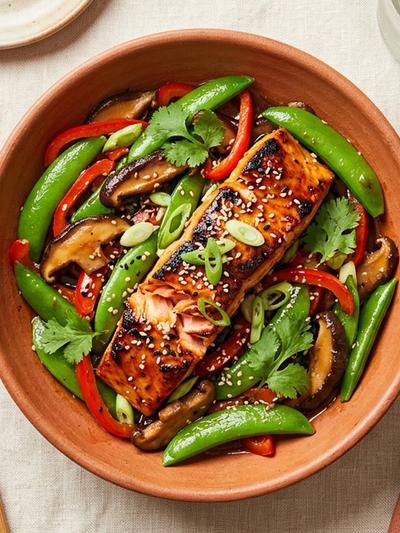
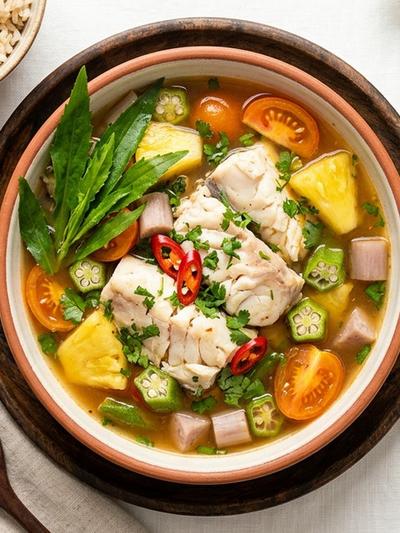
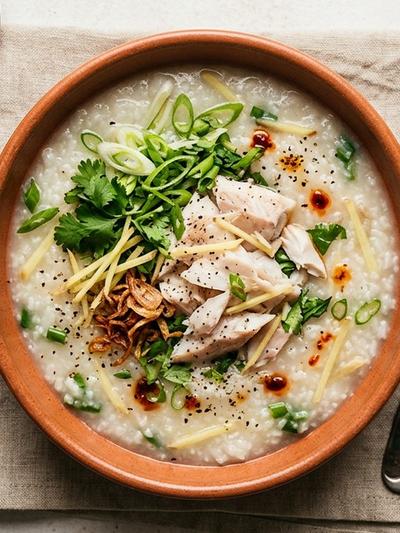
Each serving of this Korean braised sardine dish delivers 31 grams of complete protein along with a significant dose of omega-3 fatty acids, calcium, and vitamin D — nutrients that many GLP-1 users fall short on when eating smaller portions. Two cans of sardines provide all the protein you need for a satisfying lunch, and the bones (softened during canning) contribute roughly 35% of your daily calcium. The gochujang-based braising sauce adds depth without excessive sodium, and the daikon radish cooks down to a silky, broth-soaked base that carries the flavors throughout.
The taste here is unmistakably Korean: a warm balance of fermented chile paste, toasted sesame, soy, and ginger that transforms humble canned sardines into something genuinely craveable. The daikon absorbs the braising liquid like a sponge, turning sweet and tender, while the zucchini adds a lighter texture that keeps each bite interesting. A splash of rice vinegar at the end lifts the richness and keeps the dish from feeling heavy — exactly the kind of bright finish that works well when your appetite runs smaller.
This is an ideal GLP-1 lunch because the entire dish comes together in under 25 minutes using shelf-stable pantry staples, which matters on days when low appetite makes grocery shopping feel like too much effort. The braised format produces a soft, easy-to-digest texture that sits well even when gastric emptying is slowed. And because the portion is compact but nutrient-dense, you get serious nutritional value from a bowl you can actually finish.
Why This Works on GLP-1
With 31 grams of protein per serving, this lunch covers roughly half the daily minimum that most GLP-1 prescribers recommend for preserving lean muscle mass during weight loss. Sardines are among the most protein-efficient canned foods available — gram for gram, they outperform canned tuna and chicken in combined protein and micronutrient density. The protein here is also highly bioavailable, meaning your body absorbs and utilizes it efficiently even in smaller quantities.
The 4 grams of fiber from daikon and zucchini are gentle and soluble, which helps with the digestive slowdown that GLP-1 medications such as Mounjaro and Ozempic cause without creating the bloating that higher-fiber additions like raw cruciferous vegetables can trigger. The braised vegetables are cooked until soft, further reducing the digestive workload.
Sardines are one of the best food sources of both vitamin D and omega-3 fatty acids, two nutrients linked to reduced inflammation and improved insulin sensitivity. The calcium from the edible bones supports bone density, which is worth paying attention to during any period of significant weight loss. These aren't superfood claims — they're straightforward nutritional facts that make sardines a genuinely smart GLP-1 protein choice.
Ingredients (serves 2)
For the braising sauce:
- 1½ tablespoons (25g) gochujang (Korean chile paste)
- 1 tablespoon (15ml) reduced-sodium soy sauce
- 1 teaspoon (5ml) toasted sesame oil
- 1 teaspoon (7g) honey
- 1 tablespoon (15ml) rice vinegar
- 2 cloves garlic, minced
- 1 teaspoon (5g) fresh ginger, grated
For the braise:
- 2 cans (about 4.4 oz / 125g each) sardines in water, drained
- 1 cup (150g) daikon radish, peeled and cut into ½-inch half-moons
- 1 small (150g) zucchini, cut into ½-inch half-moons
- 2 scallions, white and green parts separated, cut into 2-inch pieces
- ½ cup (120ml) water
For serving:
- 1 cup (190g) cooked short-grain white rice (from about ½ cup / 95g dry)
- 1 teaspoon toasted sesame seeds
- Thinly sliced scallion greens for garnish
Instructions
Prepare the braising sauce:
- Whisk together the gochujang, soy sauce, sesame oil, honey, rice vinegar, garlic, and ginger in a small bowl until smooth. Mixing the sauce in advance ensures even distribution once it hits the pan — gochujang can clump if added directly to a hot skillet.
Build the braise:
Arrange the daikon slices in a single layer across the bottom of a wide skillet or shallow saucepan. Daikon goes in first because it takes the longest to cook through, and placing it on the bottom ensures direct contact with the heat source.
Scatter the scallion whites over the daikon. Pour the braising sauce evenly across the vegetables, then add the half cup of water.
Bring the liquid to a gentle boil over medium heat, then reduce to a low simmer. Cover and cook for 10 minutes, until the daikon is just tender when pierced with a knife. The daikon should be translucent around the edges but still hold its shape.
Add the zucchini slices, nestling them around the daikon. Carefully place the drained sardines on top of the vegetables in a single layer — handle them gently to keep the fillets mostly intact, though some breaking is fine and helps them absorb the sauce.
Spoon some of the braising liquid over the sardines. Cover and simmer for another 6 to 8 minutes, until the zucchini is tender and the sardines are heated through and glazed with the sauce.
Remove the lid and let the sauce reduce for 1 to 2 minutes if it looks too thin. The final sauce should coat the back of a spoon — concentrated enough to cling to the fish and vegetables without pooling in the bowl.
Plate and serve:
- Divide the cooked rice between two bowls. Spoon the braised sardines and vegetables over the rice, making sure to distribute the sauce evenly. Finish with the toasted sesame seeds and sliced scallion greens. Serve immediately while the braising liquid is still warm and glossy.
Nutrition per Serving
| Nutrient | Amount (approx.) |
|---|---|
| Calories | ~375 kcal |
| Protein | ~31g |
| Fat | ~12g |
| Carbohydrates | ~36g |
| Fiber | ~4g |
Based on sardines canned in water (drained), ½ cup dry short-grain white rice cooked and split between two servings, and standard gochujang nutritional values.
Practical Notes
Store-cupboard readiness. This recipe works entirely from pantry and fridge staples. Keep a few cans of sardines, a jar of gochujang, and a daikon radish on hand, and you have a complete high-protein lunch available any day of the week without a special shopping trip. Gochujang lasts for months in the refrigerator after opening.
Meal prep for two days. The braised sardines and vegetables store well in an airtight container in the refrigerator for up to two days. Pack the rice separately to prevent it from absorbing all the sauce. Reheat gently in the microwave at 50% power for 90 seconds — sardines can turn rubbery with aggressive reheating, so low and slow is the approach here.
Adjust the heat level. Gochujang varies significantly in spice level between brands. If you are sensitive to heat or experiencing GLP-1-related nausea, start with just one tablespoon of gochujang and taste the sauce before adding more. You can also substitute one tablespoon of regular miso paste mixed with a pinch of paprika for a milder, still deeply savory alternative.
Choose the right sardines. Look for sardines packed in water rather than oil to keep the fat content moderate. Sardines labeled "in spring water" or "in brine" both work — just drain them well. Avoid smoked sardines for this recipe, as the smoke flavor clashes with the gochujang. Brands that pack whole small sardines with bones intact give you the most calcium per can.
Eat this warm, not piping hot. GLP-1 users often find that food served at a moderate temperature sits more comfortably than very hot dishes. Let the bowl cool for three to four minutes after plating. The sauce actually thickens slightly as it cools, which improves its coating quality on the rice. If your appetite is smaller than expected, eat the sardines and vegetables first to prioritize the protein, and save the rice for later.
Frequently Asked Questions
Will the sardines cause nausea or fishy burps on GLP-1 medication?
Can I use a different type of canned fish instead of sardines?
How long does this keep in the fridge, and can I freeze it?
What if my appetite is very small and I cannot finish a full serving?
Do I need to remove the bones from the canned sardines?
This article provides general food and nutrition guidance only. It does not constitute medical advice. Always consult your healthcare provider regarding your GLP-1 medication and individual nutritional needs.