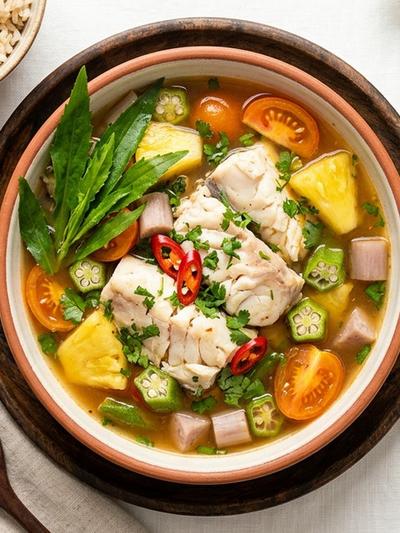
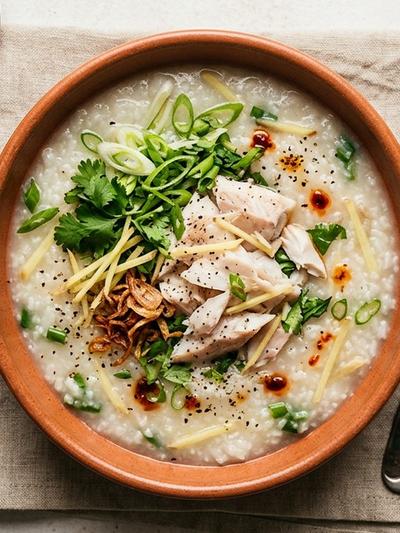
Each serving of this turmeric-scented fish bowl delivers 33 grams of lean protein from tilapia fillets that gently poach in a slow-simmered aromatic broth. The dish draws its inspiration from chả cá, one of Hanoi's most celebrated preparations, where white fish meets turmeric, dill, and scallions. At 310 calories per bowl with just 6 grams of fat, the protein-to-calorie efficiency is outstanding for anyone tracking macros carefully.
The flavor profile balances earthy turmeric with the bright, grassy fragrance of fresh dill — a combination that sounds unusual to Western palates but is deeply traditional in northern Vietnamese cooking. Sliced scallions and a squeeze of lime add sharpness, while a small portion of thin rice vermicelli gives the bowl enough body to feel like a complete meal. The broth itself tastes clean and savory, with ginger and fish sauce building an umami backbone that makes every spoonful satisfying.
This bowl format works exceptionally well for GLP-1 users because the broth stretches a modest portion into something that looks and feels generous. The fish is impossibly tender from slow poaching, making it easy to eat even when your appetite is reluctant. You can adjust the ratio of noodles to broth to match your hunger level on any given day — more broth on low-appetite days, a full portion of vermicelli when you are feeling stronger.
Why This Works on GLP-1
Preserving lean muscle mass during GLP-1-assisted weight loss requires consistent protein intake at every meal. This bowl provides 33 grams of high-quality animal protein per serving, covering roughly a third of the daily target that most dietitians recommend for patients on medications like Wegovy or Zepbound. Tilapia is one of the leanest fish available — nearly all of its calories come from protein rather than fat — which means you get maximum muscle-supporting nutrition without excess calories that could slow your progress.
The 3 grams of fiber per serving comes from the scallions, mushrooms, and the small serving of vermicelli. This is deliberately moderate. GLP-1 medications slow gastric emptying, which means high-fiber meals can sit uncomfortably in the stomach for longer than usual. The gentle fiber level here supports digestion without creating the bloating or heaviness that more aggressive fiber loads can cause during active treatment.
Turmeric contains curcumin, a compound with well-documented anti-inflammatory properties. While the amount in a single meal is modest, regular inclusion of turmeric in your diet contributes to an overall anti-inflammatory eating pattern. The ginger in the broth base may also help settle mild nausea, which is one of the most common side effects during Mounjaro or Ozempic dose adjustments. Both ingredients have long histories in traditional Vietnamese medicine for supporting digestion.
Ingredients (serves 4)
For the slow cooker broth:
- 4 cups (960ml) low-sodium chicken broth
- 1 tablespoon fish sauce
- 2-inch (5cm) piece fresh ginger, peeled and thinly sliced
- 4 scallions, white parts only (reserve greens), cut into 2-inch pieces
- 3 cloves garlic, lightly crushed
- 1 teaspoon ground turmeric
- 1/2 teaspoon granulated sugar
- 1/4 teaspoon white pepper
For the fish:
- 1.25 lbs (560g) skinless tilapia fillets, cut into 2-inch pieces
- 1 teaspoon ground turmeric
- 1/2 teaspoon fine sea salt
- 1 tablespoon neutral oil (such as avocado or grapeseed)
For the bowls:
- 4 oz (115g) thin rice vermicelli (bún)
- 4 oz (115g) oyster mushrooms, torn into strips
- 1 cup (30g) fresh dill fronds, roughly chopped
- 4 scallion greens (reserved from above), thinly sliced
- 1 lime, cut into 4 wedges
- 1 tablespoon fish sauce (for serving)
- Optional: 1 small red chili, thinly sliced
Instructions
Build the broth base:
- Combine the chicken broth, fish sauce, sliced ginger, scallion whites, crushed garlic, turmeric, sugar, and white pepper in a 4- to 6-quart slow cooker. Stir to dissolve the turmeric — it will tint the broth a vivid gold. Building the broth this way allows the aromatics to infuse slowly, creating a deeply flavored base without the need for any sautéing.
- Cover and cook on low for 4 to 5 hours, or on high for 2 to 2.5 hours. The broth is ready when it smells fragrant and the ginger slices have softened completely. The long simmer extracts maximum flavor from the ginger and garlic, which is what gives the broth its clean, warming depth.
Prepare and add the fish:
- While the broth simmers, toss the tilapia pieces with turmeric and salt in a bowl. Let them sit for at least 15 minutes at room temperature, or up to 2 hours in the refrigerator. The turmeric stains the fish golden and adds a subtle earthiness that intensifies during poaching.
- Add the oyster mushrooms to the slow cooker, pressing them into the broth. Then nestle the turmeric-rubbed tilapia pieces on top in a single layer. The mushrooms go in first because they need slightly more time to soften than the fish.
- Cover and cook on high for 15 to 20 minutes, until the tilapia is opaque throughout and flakes easily with a fork. Do not stir — let the fish poach undisturbed so it holds its shape rather than breaking into small fragments.
Assemble the bowls:
- While the fish poaches, prepare the vermicelli according to the package directions — typically a 3- to 5-minute soak in boiling water. Drain and rinse briefly under cool water to stop cooking and prevent clumping. Divide the noodles among 4 bowls.
- Use a slotted spoon to lift the fish and mushrooms from the broth and arrange them over the noodles. Strain the broth through a fine-mesh sieve to remove the ginger slices and scallion pieces, then ladle the clear golden broth over each bowl.
- Top each bowl generously with fresh dill, sliced scallion greens, and a wedge of lime. Drizzle a small splash of fish sauce over the top. The dill should go on last and stay uncooked — its flavor is brightest when it hits the hot broth at the table rather than being simmered.
Nutrition per Serving
| Nutrient | Amount (approx.) |
|---|---|
| Calories | ~310 kcal |
| Protein | ~33g |
| Fat | ~6g |
| Carbohydrates | ~28g |
| Fiber | ~3g |
Estimates based on 5 oz tilapia per serving, 1 oz dry rice vermicelli, measured oil, and low-sodium broth. Using cod instead of tilapia adds approximately 1g fat per serving.
Practical Notes
Meal prep storage. This bowl stores well for up to 3 days when refrigerated with the broth, fish, and noodles kept in the same container. The vermicelli will absorb some broth as it sits, which actually improves the flavor. Reheat gently on the stovetop over medium-low heat and add a splash of water or broth if the noodles have soaked up too much liquid. Pack the fresh dill and lime separately and add them after reheating.
Cod substitution. Cod works as a direct replacement for tilapia and holds together slightly better during poaching due to its firmer texture. The protein content is nearly identical — about 1 gram more per serving with cod. Cod also has a slightly sweeter flavor that pairs beautifully with the turmeric and dill. Cut cod pieces a bit larger (about 2.5 inches) since they shrink less during cooking.
Broth-only option for low appetite days. On days when solid food feels like too much, strain out the fish and noodles and sip just the turmeric-ginger broth. A cup of the broth alone contains roughly 4 grams of protein from the chicken base and dissolved fish nutrients. Many Zepbound users find warm, savory broths are the easiest thing to consume during dose-increase weeks. You can always eat the fish and noodles later when your appetite returns.
Keeping dill fresh. Fresh dill is essential to this dish — dried dill is not a substitute, as it lacks the bright, grassy aroma that defines the Hanoi original. Store fresh dill wrapped in a damp paper towel inside a loosely sealed plastic bag in the refrigerator. It keeps for about 5 days this way. If you meal prep this recipe, buy extra dill so you have fresh fronds for each reheated serving.
Freezing the broth. The turmeric broth freezes beautifully for up to 3 months. Make a double batch of just the broth, freeze it in 2-cup portions, and you can assemble a fresh bowl in under 20 minutes on busy nights — just thaw the broth, poach fresh fish, and cook vermicelli. The fish itself does not freeze well in this preparation, so always poach it fresh.
Frequently Asked Questions
Will the turmeric and ginger help with GLP-1-related nausea?
Can I use a different type of white fish?
How should I store and reheat leftovers for meal prep?
What if I can only eat a very small portion right now?
Do I need to sear the fish before adding it to the slow cooker?
This article provides general food and nutrition guidance only. It does not constitute medical advice. Always consult your healthcare provider regarding your GLP-1 medication and individual nutritional needs.