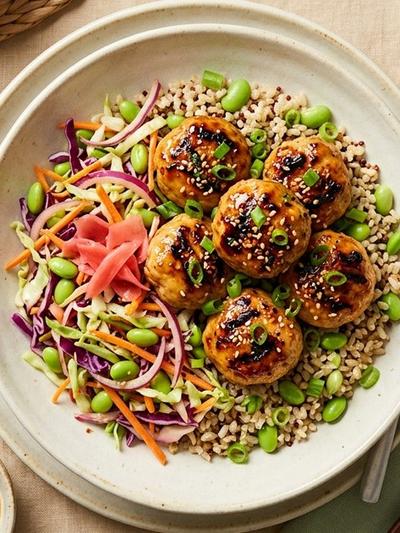
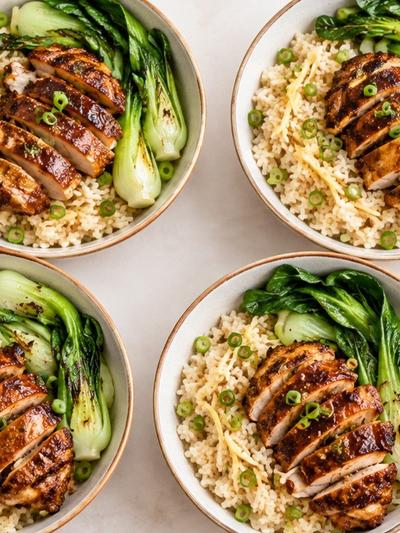
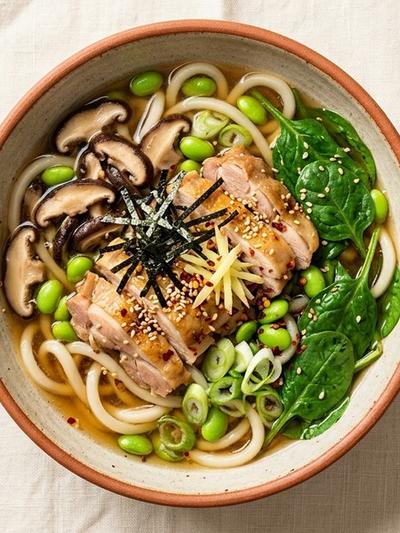
There are two very different types of eating days on GLP-1 medication. On reduced-appetite days, you need maximum protein in minimum volume — a few bites that do real nutritional work. But on days when appetite returns to something closer to normal, you want something that feels like a real meal, with volume and texture and the satisfaction of actually chewing through a full bowl of food.
Chicken and cabbage stir-fry is engineered for the second type of day — but with a nutritional profile that would serve you well on any day. Cabbage is approximately 25 calories per cup. A generous portion of shredded cabbage — the kind that fills a large bowl — adds up to fewer than 100 calories while providing volume, crunch, and about 3 grams of fiber. This means you can eat a genuinely large, satisfying meal without exceeding a calorie target that suits GLP-1 eating.
The chicken breast provides 30+ grams of lean protein. The soy-ginger-sesame sauce is sharp and umami-forward — a flavor profile that holds up well on GLP-1 because it is never overly sweet or heavy.
Why This Works on GLP-1
Cabbage is one of the most undervalued vegetables for GLP-1 users — including those on Ozempic or Wegovy —. Its bulk-to-calorie ratio is extraordinary: 400g of shredded cabbage (a very large serving) is about 100 calories, 8g of fiber, and significant amounts of vitamin C and K. This means the volume of the dish — which contributes to the psychological and sensory satisfaction of eating — is essentially calorie-free, leaving all the calorie budget for the protein.
High-heat stir-frying is also a technique that suits GLP-1 eating well. The quick cooking time preserves crunch, which makes the food more texturally interesting and rewarding to eat in small amounts. Soft, mushy food can become monotonous when you're eating small quantities; the contrast of tender chicken and slightly charred, crunchy cabbage keeps the eating experience engaging.
Ginger has documented anti-nausea properties and is well-tolerated by most GLP-1 users. Fresh ginger in a stir-fry sauce adds flavor depth while potentially supporting GI comfort.
Ingredients (serves 2)
- 300g (10oz) chicken breast, sliced thin (5mm / ¼ inch)
- 400g (about 6 cups) green cabbage, shredded fine
- 2 garlic cloves, minced
- 1 tablespoon fresh ginger, grated
- 2 tablespoons soy sauce or tamari (low-sodium)
- 1 tablespoon rice vinegar
- 1 teaspoon sesame oil
- 1 tablespoon neutral cooking oil (avocado or grapeseed)
- 2 scallions, sliced
- Optional: 1 teaspoon chili garlic sauce, 1 tablespoon toasted sesame seeds
Instructions
Prep everything before you cook. Stir-frying moves fast — once the pan is hot there's no time to stop and chop. Slice chicken, shred cabbage, mince garlic, grate ginger, and mix the sauce (soy sauce + rice vinegar) in a small bowl. Have everything within arm's reach of the stove.
Get the pan very hot. Heat a large wok or heavy skillet over highest heat for 2 full minutes. This is the most important step. A properly hot pan is what creates the slightly charred, "wok hei" flavor and prevents the food from steaming rather than frying.
Cook the chicken. Add cooking oil to the hot pan. Add chicken in a single layer. Do not stir for 90 seconds — let it sear. Then stir-fry for another 2 minutes until cooked through and slightly golden at the edges. Remove to a plate.
Cook the aromatics. Add garlic and ginger to the same pan. Stir constantly for 30 seconds until fragrant and just beginning to color.
Stir-fry the cabbage. Add shredded cabbage to the pan. Toss constantly with tongs or a spatula for 3–4 minutes. The cabbage will wilt dramatically — this is normal. You want it tender but still with some crunch and a few slightly charred edges. Do not let it stew.
Combine and sauce. Return chicken to the pan. Pour in the soy sauce and rice vinegar mixture. Toss everything together for 60 seconds until coated and heated through. Remove from heat. Drizzle with sesame oil.
Serve. Divide between bowls. Top with sliced scallions, sesame seeds, and chili sauce if using.
Nutrition per Serving
- Calories: ~280
- Protein: ~32g
- Fat: ~9g
- Carbs: ~14g
- Fiber: ~4g
Practical Notes
The pan temperature is everything. A lukewarm pan produces steamed, soggy cabbage. A very hot pan produces slightly charred, textured stir-fry. If your home stove can't get hot enough, cook in two smaller batches rather than one large one — crowding the pan drops the temperature and causes steaming.
Slice chicken thin and against the grain. Partially freeze the chicken (30 minutes in freezer) to make thin slicing easier. Thin slices cook in seconds, stay tender, and are much easier to chew — relevant when GLP-1 can make chewing effort feel higher than usual.
Add more vegetables freely. This recipe is very tolerant of additions. Sliced bell pepper, snow peas, edamame, or beansprouts can all go in with the cabbage without disrupting the dish's structure.
Serve over cauliflower rice. On a day when a bigger meal is welcome, serve over ½ cup of cauliflower rice per portion. Adds almost no calories, increases volume, and gives the sauce something to soak into.
Refrigerates for 2 days. Unlike some stir-fries, this one holds reasonably well in the fridge. The cabbage softens further overnight but the flavors deepen. Reheat in a hot pan for 2 minutes rather than the microwave to restore some texture.
Frequently Asked Questions
Can I use pre-shredded coleslaw mix instead of shredding fresh cabbage?
I'm on GLP-1 and find chicken breast dry and hard to chew — any fixes?
How small a portion is reasonable on a low-appetite day?
Is this recipe suitable during nausea from a dose increase?
Can I add other vegetables to increase volume without many extra calories?
This article provides general food and nutrition guidance only. It does not constitute medical advice. Always consult your healthcare provider regarding your GLP-1 medication and individual nutritional needs.