 By Gerald
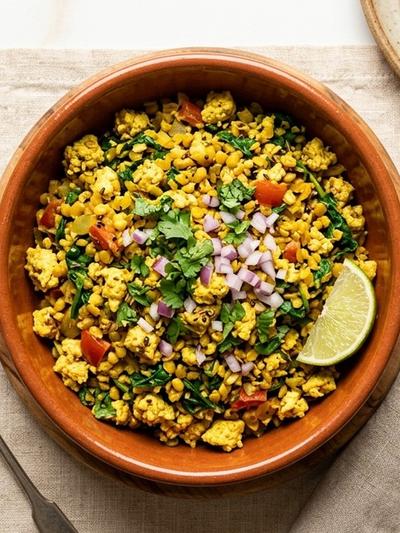
Each serving of this tofu menemen provides 28 grams of protein and just 345 calories, built around a full block of extra-firm tofu and a generous amount of fresh vegetables. The dish is rich in lycopene from the tomatoes and capsaicin from the Aleppo pepper, both of which contribute anti-inflammatory benefits alongside the protein. Nutritional yeast stirred through the tofu adds B vitamins and an egg-like savoriness without dairy or actual eggs.
Menemen is Turkey's answer to scrambled eggs in tomato sauce, and the flavor profile translates perfectly to a tofu version. Sweet peppers soften into a jammy tomato base while cumin and pul biber bring warmth without harshness. A handful of fresh dill and parsley stirred in at the end lifts everything with a brightness that makes this taste like a proper Istanbul breakfast table, not a concession.
The soft, saucy texture of menemen suits GLP-1 users particularly well because it goes down easily without requiring large volumes. Two servings come from one skillet in 25 minutes, and the high protein-to-calorie ratio means this breakfast holds you through the morning without the heaviness of bread-based meals.
Why This Works on GLP-1
Twenty-eight grams of protein at breakfast matters more than most people realize during GLP-1-assisted weight loss. Medications like Ozempic and Mounjaro reduce appetite, which often means eating less overall, and inadequate protein accelerates muscle loss alongside fat loss. Starting the day with a protein-dense meal helps preserve lean mass and supports the higher thermic effect of protein, meaning your body burns more energy digesting it compared to carbohydrates or fat.
The fiber from tomatoes, peppers, and onion totals 6 grams per serving, enough to support steady digestion without the bloating that very high-fiber meals can trigger in people with slowed gastric emptying. The vegetables also contribute potassium and vitamin C, two nutrients that can run low during caloric restriction.
At 345 calories and 15 grams of fat, this breakfast leaves room in the day's budget without feeling like a diet plate. The fat comes almost entirely from the tofu itself and a small amount of olive oil, both sources of unsaturated fatty acids. There is no added butter, no cream, and no cheese in the base recipe.
Ingredients (serves )
For the menemen:
- 1 block (14 oz / 400g) extra-firm tofu, drained and pressed
- 4 medium ripe tomatoes (about 1 lb / 450g), diced, or 1 can (14 oz / 400g) diced tomatoes
- 2 Italian or cubanelle peppers (about 6 oz / 170g), seeded and diced
- 1 small yellow onion (about 3 oz / 85g), diced
- 2 cloves garlic, minced
- 2 teaspoons olive oil
- 2 tablespoons nutritional yeast
- 1½ teaspoons sweet paprika
- 1 teaspoon Aleppo pepper (pul biber) or ½ teaspoon red pepper flakes
- ½ teaspoon ground cumin
- ½ teaspoon ground turmeric
- ½ teaspoon fine salt, plus more to taste
- Freshly ground black pepper
To finish:
- Small handful fresh flat-leaf parsley, roughly chopped
- Small handful fresh dill, roughly chopped (optional but traditional)
Instructions
Amounts in the method are for 2 servings.
Prepare the tofu:
- Wrap the tofu block in a clean kitchen towel and press it firmly for a few minutes to squeeze out excess moisture. Drier tofu browns better and absorbs the tomato sauce more readily. Crumble the tofu into rough, uneven pieces with your hands — aim for a mix of larger chunks and smaller bits, similar to the texture of loosely scrambled eggs.
Build the tomato-pepper base:
Heat the olive oil in a wide skillet or shallow pan over medium heat. Add the diced onion and peppers and cook, stirring occasionally, for about 3 to 4 minutes until the onion is translucent and the peppers start to soften.
Add the garlic and cook for 30 seconds until fragrant. Stir in the paprika, Aleppo pepper, cumin, and turmeric, letting the spices bloom in the oil for about 15 seconds. This brief toasting deepens the flavors significantly and removes the raw, dusty taste that uncooked ground spices can carry.
Add the diced tomatoes with all their juices. If using canned tomatoes, pour in the entire contents. Stir, reduce the heat to medium-low, and let the mixture simmer for 5 to 6 minutes, stirring once or twice, until the tomatoes break down into a thick, saucy base. The peppers should be completely tender at this point.
Add the tofu and finish:
Scatter the crumbled tofu evenly across the sauce. Sprinkle the nutritional yeast over the top and fold everything together gently. The turmeric will tint the tofu a warm golden color, and the nutritional yeast will melt into the sauce and give it an umami depth similar to aged cheese.
Cook for 3 to 4 minutes, stirring a few times, until the tofu is heated through and has absorbed some of the tomato juices. Season with salt and a generous amount of black pepper.
Remove the skillet from the heat. Scatter the parsley and dill over the top. Serve directly from the pan, as is traditional in Turkey, or spoon onto plates.
Nutrition per Serving
| Nutrient | Amount (approx.) |
|---|---|
| Calories | ~345 kcal |
| Protein | ~28g |
| Fat | ~15g |
| Carbohydrates | ~24g |
| Fiber | ~6g |
Calculated using extra-firm tofu (brand-label averages), fresh tomatoes, and standard nutritional yeast. Actual values depend on specific tofu brand and tomato size.
Practical Notes
Press the tofu thoroughly. The single most important step for texture. Wet tofu steams instead of absorbing the sauce, and the result is bland and watery. A tofu press works best, but wrapping the block in a towel and placing a heavy pan on top for 10 minutes while you chop vegetables does the job.
Use the best tomatoes you can find. When ripe, in-season tomatoes are available, use them. The sauce is simple enough that tomato quality drives the entire flavor. In winter, canned whole San Marzano tomatoes, crushed by hand, will outperform pale supermarket tomatoes every time.
Aleppo pepper matters. Pul biber has a fruity, moderately spicy warmth that standard red pepper flakes cannot replicate. It is available at Middle Eastern grocers and most well-stocked supermarkets. If substituting, use half the amount of red pepper flakes and add a tiny pinch of sweet paprika to compensate for the lost fruitiness.
Store leftovers in the fridge for up to 3 days. Menemen reheats well in a covered skillet over low heat with a splash of water to loosen the sauce. The texture shifts slightly as the tofu firms up in the fridge, but many people prefer the denser, more chewy consistency. Do not freeze — the tomato sauce separates on thawing.
Pair with something simple to round out the meal. A thin slice of sourdough toast, a piece of Turkish flatbread, or a few spoonfuls of plain yogurt alongside the skillet are traditional. For GLP-1 users managing portions, the menemen on its own is satisfying enough — add a side only if your appetite allows.
Frequently Asked Questions
Can I eat this if my appetite is very low from my GLP-1 medication?
Can I substitute the tofu with another plant-based protein?
How do I store and reheat this for meal prep?
What if I am in the first few weeks of GLP-1 treatment and nausea is an issue?
Why use nutritional yeast, and can I leave it out?
This article provides general food and nutrition guidance only. It does not constitute medical advice. Always consult your healthcare provider regarding your GLP-1 medication and individual nutritional needs.