Each serving of this slow cooker rice pudding delivers 27 grams of protein and just 355 calories, built from a hidden base of cannellini white beans blended smooth into creamy short-grain rice. Cardamom, vanilla, and a touch of honey give it the warm, fragrant character of a classic Scandinavian risgrynsgröt — the kind of rice pudding served across Denmark, Sweden, and Norway during the cold months. A scoop of plant-based protein powder stirred in toward the end rounds out the protein without changing the taste or texture.
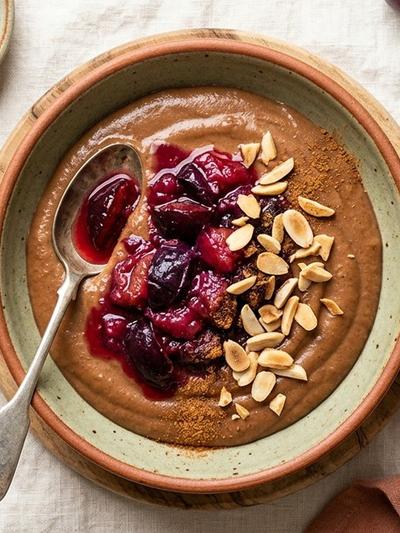
The cardamom lifts this pudding well above ordinary. Its citrusy warmth works beautifully alongside the subtle floral sweetness of honey and vanilla, while the short-grain rice breaks down during the long cook into a thick, almost custard-like consistency. A quick stovetop berry compote — tart, bright, and barely sweetened — cuts through the richness and adds a vivid pop of colour to every bowl. A cool dollop of Greek yogurt finishes each serving with tangy contrast and another layer of protein.
For anyone on GLP-1 medication, this dessert addresses a common frustration: finding something sweet that actually satisfies in a smaller portion. The high protein content from beans, protein powder, and yogurt means even a modest bowl keeps you full, while the slow cooker format makes a batch of four servings with virtually no hands-on effort. The soft, spoonable texture is also kind to sensitive digestion.
Why This Works on GLP-1
Preserving lean muscle mass during GLP-1-assisted weight loss requires consistent protein intake across all meals — including desserts and snacks. Each serving of this rice pudding provides 27 grams of protein, primarily from cannellini beans and plant-based protein powder, with additional contributions from milk and Greek yogurt. For people taking Mounjaro or similar GLP-1 medications, hitting daily protein targets can be genuinely difficult when appetite is suppressed, so building protein into satisfying sweet dishes helps close the gap without forcing yet another savoury meal.
The fibre from white beans — about 6 grams per serving — supports a steady blood sugar response and feeds beneficial gut bacteria. Because the beans are fully blended and slow-cooked until silky, they are gentle on digestion, which matters when GLP-1 medications already slow gastric emptying. The texture is smooth and uniform rather than grainy, reducing the likelihood of bloating or discomfort that sometimes accompanies high-fibre foods.
Slow-cooked rice pudding is also naturally suited to small-portion eating. Wegovy and other GLP-1 medications often make large servings unappealing, and a warm, spoonable dessert feels satisfying even at half a cup. The slow cooker handles all the work while you go about your day, and the pudding reheats beautifully for several days of ready-made, protein-rich sweet servings that require no additional preparation.
Ingredients (serves 4)
For the rice pudding:
- 3/4 cup (150g) short-grain or arborio rice
- 1 can (14 oz / 400g) cannellini beans, drained and rinsed
- 2 cups (480ml) 2% milk
- 1 cup (240ml) water
- 2 scoops (60g) vanilla plant-based protein powder
- 2 tablespoons (40g) honey
- 1 teaspoon ground cardamom
- 1 teaspoon vanilla extract
- 1/4 teaspoon fine sea salt
For the berry compote:
- 1 1/2 cups (200g) frozen mixed berries (blueberries, raspberries, or lingonberries)
- 1 tablespoon (20g) honey
- 1 teaspoon fresh lemon juice
For serving:
- 3/4 cup (170g) plain Greek yogurt
Instructions
Blend the beans:
- Place the drained cannellini beans in a blender or food processor with 1/2 cup (120ml) of the milk. Blend on high for 60 seconds until completely smooth — no visible bean pieces should remain. Scrape down the sides and blend again if needed. This purée is what gives the pudding its protein without changing the classic rice pudding taste or texture.
Assemble the slow cooker:
Add the short-grain rice, blended bean mixture, remaining 1 1/2 cups (360ml) milk, water, honey, ground cardamom, vanilla extract, and salt to the slow cooker. Stir well to combine everything evenly, making sure no rice grains are stuck to the sides above the liquid line — exposed rice dries out and hardens.
Cover and cook on low for 2 1/2 to 3 hours, or on high for 1 1/2 to 2 hours. The pudding is done when the rice is fully tender and the mixture has thickened to a creamy, spoonable consistency. Stir once at the halfway mark to prevent the rice from clumping and to ensure even cooking throughout.
Add the protein powder:
- In the final 15 minutes of cooking, sprinkle the protein powder over the surface of the pudding and stir thoroughly until no lumps remain. Adding it at this stage means the residual heat incorporates the powder evenly without cooking it at sustained high temperatures, which preserves the smooth texture and prevents any chalky or gritty finish.
Make the berry compote:
- While the pudding finishes, combine the frozen berries, honey, and lemon juice in a small saucepan over medium heat. Cook for 5 to 7 minutes, stirring occasionally, until the berries have softened and released their juices into a loose, vibrant sauce. The lemon juice balances the sweetness and brings out the berry flavour. Remove from heat and set aside.
Serve:
- Spoon warm pudding into bowls. Top each serving with a generous spoonful of berry compote and a dollop of Greek yogurt. The pudding will continue to thicken as it cools — when reheating later, add a splash of milk and stir to restore the original creamy consistency.
Nutrition per Serving
| Nutrient | Amount (approx.) |
|---|---|
| Calories | ~355 kcal |
| Protein | ~27g |
| Fat | ~4g |
| Carbohydrates | ~53g |
| Fiber | ~6g |
Calculated using USDA data for cannellini beans, short-grain rice, 2% milk, plain Greek yogurt, and a standard vanilla plant-based protein powder at 24g protein per scoop.
Practical Notes
Store and reheat with ease. This pudding keeps in airtight containers in the refrigerator for up to 4 days. It thickens considerably when cold — add 2 to 3 tablespoons of milk per portion when reheating in the microwave (90 seconds) or on the stovetop over low heat. Store the berry compote separately for up to 5 days.
Choose the right protein powder. A vanilla or unflavoured plant-based protein powder (pea, rice, or blend) works best here because it dissolves smoothly into the warm pudding. Whey protein also works but may create a slightly denser texture. Avoid casein-based powders, which can become gummy when heated.
Scale portions for early GLP-1 phases. If your appetite is significantly reduced, serve this in small ramekins or espresso cups — even a third of a serving provides roughly 9 grams of protein and makes a satisfying end to a meal. You can freeze individual portions in silicone muffin moulds for convenient grab-and-go servings throughout the week.
Swap the berries seasonally. In summer, use fresh strawberries or sweet cherries for the compote. In winter, frozen lingonberries or blackberries maintain the Scandinavian character. Stone fruit like plums or apricots also work well — just cook them a minute or two longer until fully softened.
Use short-grain rice for the creamiest result. Arborio, sushi rice, or Scandinavian grötris (pudding rice) all work because their high starch content creates the characteristic creaminess during the long, slow cook. Long-grain varieties like basmati will produce a thinner, less cohesive pudding that lacks the satisfying body of the original.
Frequently Asked Questions
Can I eat this dessert on days when my GLP-1 medication causes nausea?
Can I make this without protein powder?
How long does this last in the fridge, and can I freeze it?
What if I can only manage very small portions right now?
My slow cooker runs hot and food sometimes sticks — how do I prevent that here?
This article provides general food and nutrition guidance only. It does not constitute medical advice. Always consult your healthcare provider regarding your GLP-1 medication and individual nutritional needs.