Each serving of these Polish-inspired poppy seed squares delivers 28 grams of protein from an unlikely source — puréed cannellini beans blended seamlessly into the batter alongside oat flour and plant-based protein powder. The combination provides a complete amino acid profile while keeping fat low at just 9 grams per serving. Two squares per serving supply meaningful fiber from both the beans and poppy seeds, supporting steady blood sugar without digestive strain.
The flavor profile draws from the Eastern European tradition of makowiec — poppy seed pastries found across Poland and Hungary. Toasted poppy seeds contribute a nutty, slightly sweet crunch, while lemon zest cuts through the richness and lifts every bite. A thin Greek yogurt glaze provides creamy tartness that balances the earthy sweetness of the bean-based batter, creating something that tastes like a proper bakery square rather than a protein supplement.
These squares are designed for the GLP-1 reality of wanting something sweet but not being able to eat much. Two modest squares satisfy a genuine dessert craving while contributing real protein to your daily total. The batch format means you bake once on Sunday and have portioned treats ready for four days — no decisions, no temptation to overeat from a larger pan.
Why This Works on GLP-1
Each two-square serving provides 28 grams of protein, which matters enormously during GLP-1-assisted weight loss. Patients on Mounjaro and similar medications often lose both fat and lean muscle mass, and research consistently shows that maintaining protein intake above 25 grams per meal helps preserve muscle tissue. Getting that protein from a dessert format means you can hit your daily target without forcing another savory meal when your appetite is already limited.
The 7 grams of fiber per serving come from a gentle combination of cannellini beans, oat flour, and poppy seeds — all soft-textured sources that are unlikely to cause the bloating or cramping that high-fiber bars sometimes trigger. The soluble fiber in the beans also helps moderate the glycemic impact of the small amount of honey in the recipe.
Poppy seeds are an underappreciated source of minerals, providing meaningful amounts of calcium, magnesium, and zinc per serving. These micronutrients are especially relevant for GLP-1 users who eat reduced volumes and may struggle to meet mineral requirements through meals alone. The lemon juice in the glaze also enhances iron absorption from the beans.
Ingredients (serves 4)
For the squares:
- 1 can (400g / 14 oz) cannellini beans, drained and rinsed
- 2 large eggs
- 3/4 cup (70g) oat flour
- 1/2 cup (60g) plant-based vanilla protein powder
- 3 tbsp (28g) poppy seeds
- 1 1/2 tbsp (30g) honey
- Zest of 2 lemons
- 1 tsp vanilla extract
- 1/2 tsp baking powder
- 1/4 tsp fine sea salt
For the lemon-yogurt glaze:
- 1/2 cup (130g) plain Greek yogurt (0% fat)
- 1 tbsp fresh lemon juice
- 1 tbsp (8g) powdered sugar
- 1/4 tsp vanilla extract
Instructions
Prepare the batter:
Preheat your oven to 350°F (175°C). Line an 8×8-inch (20×20 cm) baking pan with parchment paper, leaving overhang on two sides for easy lifting later — this makes clean portioning much simpler.
Add the drained cannellini beans, eggs, honey, lemon zest, and vanilla extract to a food processor or high-speed blender. Process for 60–90 seconds until completely smooth with no visible bean pieces remaining. Scrape down the sides once halfway through. The beans need to be fully puréed to create a smooth, cake-like texture rather than a grainy one.
In a medium bowl, whisk together the oat flour, protein powder, baking powder, and salt. Add the wet bean mixture to the dry ingredients and fold with a spatula until just combined — overmixing will make the squares dense.
Fold in the poppy seeds, reserving about 1 teaspoon for topping. The seeds should be evenly distributed throughout the batter. Pour the batter into the prepared pan and spread evenly with a spatula. Sprinkle the reserved poppy seeds across the top.
Bake and cool:
Bake for 22–25 minutes until the top is set and a toothpick inserted into the center comes out clean or with just a few moist crumbs. The squares will firm up significantly as they cool, so do not overbake — they should look slightly underdone in the center when you pull them out.
Allow the squares to cool completely in the pan on a wire rack, at least 45 minutes. The bean-based batter needs this time to set its structure properly. Attempting to cut them warm will result in crumbling.
Make the glaze and portion:
Whisk together the Greek yogurt, lemon juice, powdered sugar, and vanilla extract until smooth. The glaze should be thick enough to coat but thin enough to drizzle — add a few drops of water if needed.
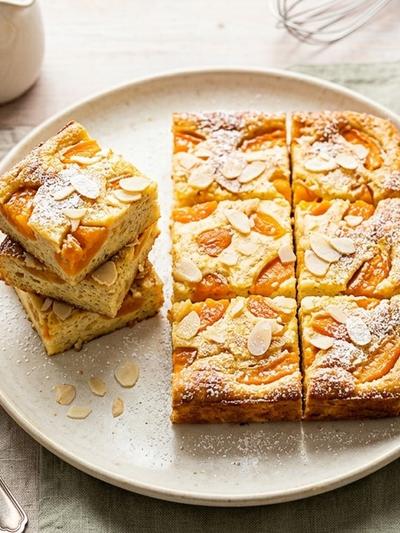
Lift the cooled slab out of the pan using the parchment overhang. Cut into 8 equal squares using a sharp knife, wiping the blade between cuts for clean edges. Drizzle or spread the yogurt glaze evenly across the tops of all 8 squares.
Nutrition per Serving
| Nutrient | Amount (approx.) |
|---|---|
| Calories | ~355 kcal |
| Protein | ~28g |
| Fat | ~9g |
| Carbohydrates | ~38g |
| Fiber | ~7g |
Estimates based on cannellini beans, oat flour, plant-based vanilla protein powder (80% protein content), poppy seeds, eggs, honey, and 0% fat Greek yogurt.
Practical Notes
Storage and meal prep schedule. Store glazed squares in an airtight container in the refrigerator for up to 5 days. Separate layers with parchment paper to prevent the glaze from sticking. Alternatively, store the glaze separately and apply it fresh each day for the best texture.
Freezing for longer prep cycles. Freeze unglazed squares individually wrapped in cling film for up to 6 weeks. Thaw overnight in the refrigerator and add the glaze fresh before eating. Frozen squares are convenient for weeks when your appetite is unpredictable — just pull one out the night before.
Protein powder selection matters. Use a plant-based vanilla protein powder with at least 80% protein content by weight. Pea protein or pea-rice blends work best here — they have a neutral enough flavor that the poppy seed and lemon come through. Avoid whey protein, which can create a gummy texture when baked with beans.
Eat them cold or at room temperature. These squares are designed to be eaten straight from the fridge or at room temperature. Microwaving will melt the yogurt glaze and can make the bean-based interior slightly mushy. If you prefer warm desserts, heat the unglazed square for 15 seconds and add cold glaze on top for contrast.
Adjust sweetness to your taste. The honey level is deliberately restrained because many GLP-1 users find their sweet tolerance shifts downward on medication. If you prefer a sweeter square, increase the honey to 2 tablespoons or add 1 tablespoon of maple syrup to the batter before baking.
Frequently Asked Questions
Can I eat these squares if I experience nausea on my GLP-1 medication?
Can I use a different type of bean instead of cannellini?
How should I store and reheat these for weekly meal prep?
What if I can only eat very small portions right now?
Can I make these without eggs to keep them fully plant-based?
This article provides general food and nutrition guidance only. It does not constitute medical advice. Always consult your healthcare provider regarding your GLP-1 medication and individual nutritional needs.