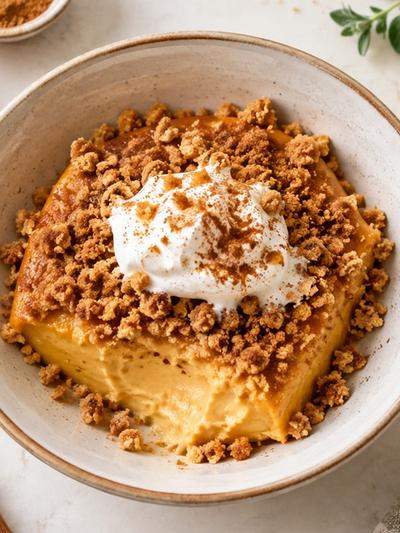
Each serving of this slow cooker rhubarb custard pudding delivers 27 grams of protein from a combination of whole eggs, cottage cheese, and Greek yogurt. The base provides complete amino acids alongside calcium, B vitamins, and phosphorus — nutrients that support bone health and energy metabolism during active weight management. With just 348 calories per portion, it satisfies genuine dessert cravings without derailing your daily targets.
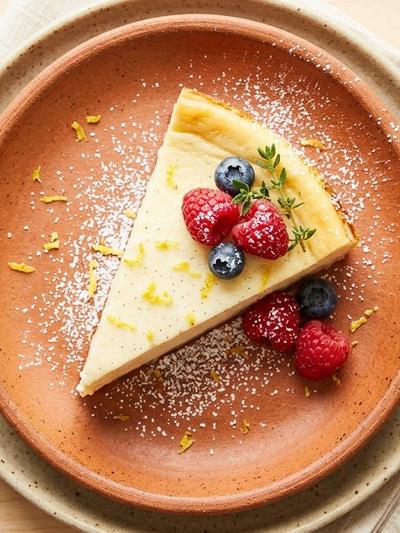
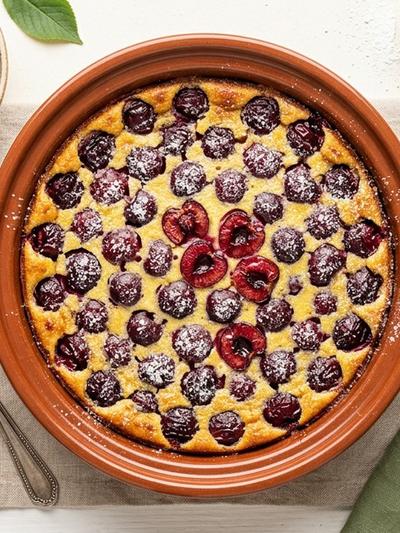
Rhubarb brings a sharp, fruity tartness that balances the vanilla-scented custard beautifully. The cottage cheese melts into the egg mixture during the long, gentle cook, creating a texture somewhere between a classic British baked custard and a French clafoutis — smooth and trembling with just enough body to hold its shape on a spoon. A light oat crumble topping adds a whisper of texture contrast without heaviness.
The slow cooker method is ideal for GLP-1 users who find rich, heavy desserts uncomfortable. The low, even heat produces a custard that is inherently gentle on digestion — no dense batters, no heavy cream, no deep-frying. Portions are naturally modest, and the high protein content means even a small serving registers as genuinely satisfying rather than leaving you searching for more.
Why This Works on GLP-1
Preserving lean muscle mass is one of the most important nutritional priorities during GLP-1-assisted weight loss. This pudding provides 27 grams of protein per serving primarily from eggs and dairy — both complete protein sources containing all essential amino acids. For people on Mounjaro or similar medications experiencing reduced appetite, fitting protein into every eating occasion matters, and a dessert that contributes meaningfully to daily protein targets is far more strategic than one made entirely of sugar and flour.
The custard is naturally low in fat at 10 grams per serving, with most of that coming from egg yolks which also supply choline and vitamin D. Rhubarb adds gentle fiber and potassium without the bloating risk that comes from high-fiber legumes or raw cruciferous vegetables — an important consideration when gastric emptying is already slowed by medication.
The slow cooker's gentle heat denatures the egg and dairy proteins gradually, producing a custard that is exceptionally easy to digest. This matters particularly in the first weeks of dose adjustments on Wegovy or Ozempic, when nausea and digestive sensitivity are most common. A warm, soft, protein-rich dessert can be exactly what the body tolerates well when denser foods feel like too much.
Ingredients (serves 4)
For the rhubarb layer:
- 2 cups (240g) fresh or frozen rhubarb, cut into 1-inch pieces
- 2 tablespoons (25g) granulated sugar or erythritol
- 1 teaspoon lemon zest
- 1 tablespoon (15ml) water
For the custard:
- 5 large eggs
- 1 cup (225g) low-fat cottage cheese (2%)
- ½ cup (130g) plain Greek yogurt (2%)
- 3 tablespoons (45ml) honey
- 1 teaspoon vanilla extract
- ¼ teaspoon ground nutmeg
- Pinch of salt
For the oat crumble topping:
- ¼ cup (25g) rolled oats
- 1 tablespoon (14g) cold butter, cut into small pieces
- 1 tablespoon (12g) brown sugar
- Pinch of ground cinnamon
Instructions
Prepare the slow cooker:
- Lightly grease the inside of a 3- to 4-quart slow cooker insert with cooking spray or a thin layer of butter. This prevents the custard from sticking and makes serving much easier — a silicone liner also works well if you have one.
Make the rhubarb layer:
- Toss the rhubarb pieces with the sugar, lemon zest, and water in a small bowl. Spread the rhubarb evenly across the bottom of the slow cooker insert. The sugar draws moisture from the rhubarb during cooking, creating a tart compote layer that pools beneath the custard.
Blend the custard:
Add the cottage cheese, Greek yogurt, eggs, honey, vanilla, nutmeg, and salt to a blender. Blend on medium-high for 30 to 45 seconds until completely smooth — you should see no visible cottage cheese curds. This step is essential; it transforms the cottage cheese into a silky custard base rather than leaving grainy pockets in the finished pudding.
Pour the custard mixture gently over the rhubarb layer. Tap the side of the slow cooker gently a few times to release any air bubbles trapped in the batter.
Add the crumble topping:
- In a small bowl, rub the cold butter into the oats, brown sugar, and cinnamon using your fingertips until the mixture resembles coarse, damp sand. Scatter this evenly over the surface of the custard. The topping will not crisp as it would in an oven, but it adds a pleasant, soft textural layer.
Slow cook the pudding:
Place a clean tea towel or a few layers of paper towel under the slow cooker lid before closing. This absorbs condensation that would otherwise drip onto the custard surface and create a waterlogged top — a simple trick that makes a real difference in the final texture.
Cook on LOW for 2 to 2½ hours. The pudding is done when the edges are set and the centre still has a slight wobble — it will continue firming as it cools. Do not cook on HIGH, as rapid heat causes the egg proteins to seize and creates a rubbery, weepy texture instead of a smooth custard.
Turn off the slow cooker and remove the lid. Allow the pudding to cool in the insert for 20 to 30 minutes before serving. It can be eaten warm, at room temperature, or chilled — the texture improves slightly after refrigeration as the custard sets fully.
Nutrition per Serving
| Nutrient | Amount (approx.) |
|---|---|
| Calories | ~348 kcal |
| Protein | ~27g |
| Fat | ~10g |
| Carbohydrates | ~38g |
| Fiber | ~3g |
Estimates based on large eggs, 2% cottage cheese, 2% Greek yogurt, and honey as the primary sweetener. Using erythritol for the rhubarb layer reduces carbohydrates by approximately 6g per serving.
Practical Notes
Make it ahead for the week. This pudding keeps well in the refrigerator for up to 4 days. Portion into individual containers straight after cooling and grab one whenever you want something sweet. Cold, it eats almost like a cheesecake — dense, creamy, and satisfying straight from the fridge.
Swap the rhubarb seasonally. Plums, sour cherries, or tart apples all work beautifully in the base layer. Keep the quantity at roughly 2 cups of fruit. Frozen rhubarb performs identically to fresh here since it is cooking down into a compote regardless — no need to thaw before adding.
Boost protein further if needed. Stir 1 scoop (about 25g) of unflavored or vanilla whey protein powder into the custard mixture before pouring. This adds roughly 6 grams of protein per serving with minimal impact on texture or flavour. Blend it in thoroughly to avoid clumps.
Serve small portions with intention. For GLP-1 users in early treatment phases when appetite is at its lowest, a half portion still provides over 13 grams of protein — more than most conventional desserts deliver in a full serving. Pair with a cup of herbal tea and eat slowly to give your body time to register satisfaction.
Use a slow cooker liner for effortless cleanup. Custard can bond stubbornly to ceramic inserts. A disposable or reusable slow cooker liner eliminates scrubbing entirely — simply lift out, serve, and discard or wash the liner. This also makes it easier to unmould the pudding onto a plate if you prefer a more elegant presentation.
Frequently Asked Questions
Can I eat this pudding if I experience nausea on my GLP-1 medication?
Can I make this dairy-free?
How should I store and reheat leftovers?
What if I can only eat very small amounts right now?
Why do I need to put a towel under the slow cooker lid?
This article provides general food and nutrition guidance only. It does not constitute medical advice. Always consult your healthcare provider regarding your GLP-1 medication and individual nutritional needs.