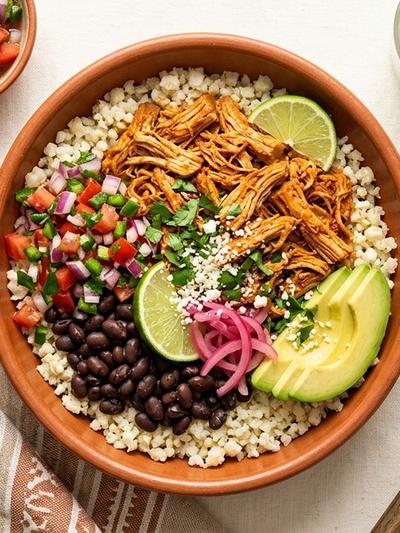
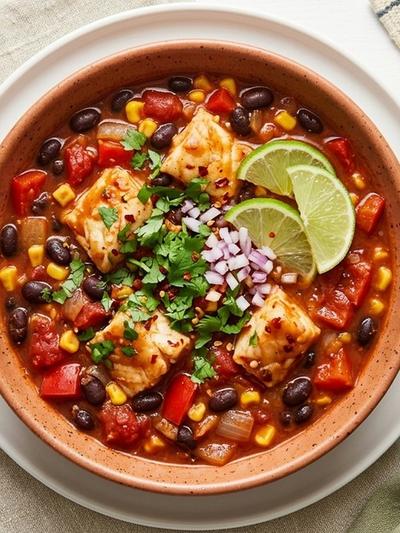
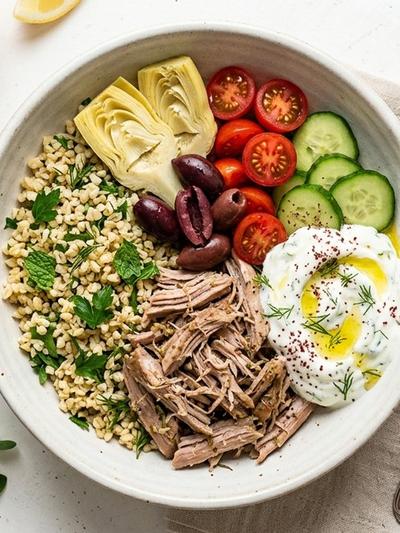
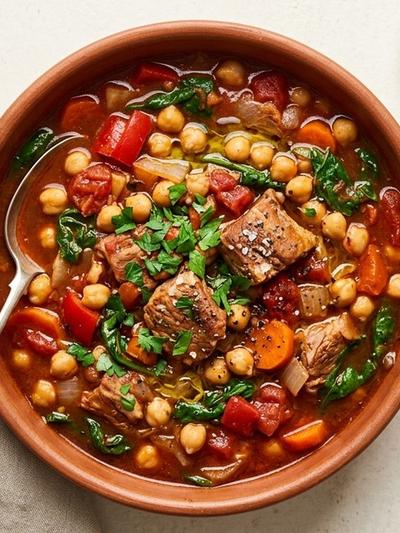
Each bowl of this slow cooker tortilla soup delivers 31 grams of protein and 9 grams of fiber from a combination of lean pork tenderloin and pinto beans. The pork tenderloin is one of the leanest cuts available, providing just 3 grams of fat per 4-ounce raw portion while packing dense, complete protein that holds up beautifully after hours of slow braising. Combined with pinto beans, fire-roasted tomatoes, and a homemade ancho chile paste, this soup clocks in at 345 calories — substantial enough for a weekday lunch without tipping into heavy territory.
The flavor here comes from dried ancho chiles, which contribute a deep, sweet smokiness without real heat. Layered with cumin, oregano, and a squeeze of fresh lime at the end, the broth tastes rich and complex despite the lean ingredient list. The pork shreds into silky strands that absorb every bit of that smoky tomato broth, while the pinto beans add a creamy contrast that makes each spoonful feel complete.
For anyone on GLP-1 medication, broth-based soups are one of the most practical lunch formats. The warm liquid helps with hydration — a common concern on these medications — while the smaller volume of solid food sits comfortably even when appetite is reduced. This recipe makes four generous bowls, reheats perfectly, and actually improves in flavor after a day in the fridge.
Why This Works on GLP-1
With 31 grams of protein per serving, this soup supports the muscle preservation that becomes critical during GLP-1-assisted weight loss. Research consistently shows that adequate protein intake — ideally 25 to 40 grams per meal — helps protect lean body mass while the medication promotes fat loss. For people on Wegovy or similar GLP-1 agonists who may be eating fewer total meals per day, making every bowl count toward protein goals is essential. The combination of pork tenderloin and pinto beans provides both complete and complementary amino acid profiles.
The 9 grams of fiber per serving comes primarily from the pinto beans and fire-roasted tomatoes, supporting gut motility without the bloating that raw high-fiber foods can cause. Slow-cooked beans are significantly easier to digest than their canned or quick-soaked counterparts, making this a gentler option for sensitive stomachs on Mounjaro or other GLP-1 medications.
The broth-forward nature of this soup also helps with the fluid intake that GLP-1 users often struggle to maintain. Each serving contains roughly one cup of seasoned liquid, contributing meaningfully to daily hydration while delivering nutrients. The moderate fat content of 9 grams per serving keeps the soup satisfying without the digestive heaviness that higher-fat meals can cause when gastric emptying is already slowed.
Ingredients (serves 4)
For the ancho chile paste:
- 2 dried ancho chiles, stems and seeds removed
- 1 cup (240ml) boiling water
- 2 cloves garlic, peeled
For the soup:
- 1 lb (450g) pork tenderloin, trimmed of silver skin
- 1 can (15 oz / 425g) pinto beans, drained and rinsed
- 1 can (14.5 oz / 411g) fire-roasted diced tomatoes, undrained
- 1 medium yellow onion, diced
- 2 cups (480ml) low-sodium chicken broth
- 1 tsp ground cumin
- 1 tsp dried Mexican oregano
- ½ tsp smoked paprika
- ½ tsp fine sea salt
- ¼ tsp black pepper
For serving:
- 2 small corn tortillas, cut into thin strips and baked until crisp
- 1 medium avocado, diced (about ¼ avocado per serving)
- ¼ cup (15g) fresh cilantro, roughly chopped
- 1 lime, quartered
- 2 tbsp (30g) plain Greek yogurt per bowl (optional)
Instructions
Make the ancho chile paste:
- Place the stemmed and seeded ancho chiles in a small bowl and pour the boiling water over them. Let them soak for 15 minutes until softened — this rehydrates the chiles and draws out their naturally sweet, smoky flavor without any harsh bitterness.
- Transfer the softened chiles, garlic cloves, and soaking liquid to a blender. Blend until smooth, about 30 seconds. Set aside.
Build the slow cooker soup:
- Place the diced onion in the bottom of a 4- to 6-quart slow cooker. Lay the whole pork tenderloin on top of the onions — keeping it whole prevents the lean meat from drying out during the long cook.
- Pour the ancho chile paste, fire-roasted tomatoes with their juices, and chicken broth over the pork. Add the cumin, oregano, smoked paprika, salt, and pepper. Stir gently around the pork to distribute the spices.
- Cover and cook on low for 6 to 7 hours or on high for 3 to 4 hours. The pork is ready when it shreds easily with two forks — internal temperature should reach at least 145°F (63°C), though the long braise will take it well past that.
Finish the soup:
- Remove the pork tenderloin to a cutting board. Using two forks, shred the meat into bite-sized strands. It should fall apart with minimal effort after the slow braise.
- Return the shredded pork to the slow cooker. Add the drained pinto beans and stir to combine. Cover and cook for an additional 15 to 20 minutes on high to warm the beans through and let them absorb some of the smoky broth.
- Taste the soup and adjust salt if needed. The broth will be deeply flavored from the ancho chiles — a good squeeze of lime before serving brightens everything.
To serve:
- Ladle the soup into bowls. Top each with a few baked tortilla strips, a quarter of the diced avocado, a spoonful of Greek yogurt if using, fresh cilantro, and a lime wedge on the side. The tortilla strips add crunch that softens gradually, giving you two textures as you eat.
Nutrition per Serving
| Nutrient | Amount (approx.) |
|---|---|
| Calories | ~345 kcal |
| Protein | ~31g |
| Fat | ~9g |
| Carbohydrates | ~34g |
| Fiber | ~9g |
Estimates based on 1 lb pork tenderloin, one can each of pinto beans and fire-roasted tomatoes, with toppings including ¼ avocado, baked tortilla strips, and optional Greek yogurt per serving.
Practical Notes
Meal prep storage. This soup stores beautifully in airtight containers for up to 4 days in the fridge and freezes well for up to 3 months. Pack the tortilla strips, avocado, and cilantro separately — the strips lose their crunch and avocado browns if stored in the broth. Reheat portions in the microwave for 2 minutes or on the stovetop over medium heat.
Bake the tortilla strips ahead. Cut corn tortillas into thin strips, spray lightly with cooking spray, spread on a baking sheet, and bake at 375°F (190°C) for 8 to 10 minutes until crisp and golden. Store in an airtight container at room temperature for up to 5 days. They add meaningful crunch without the fat of fried tortilla strips.
Swap the protein if needed. Boneless, skinless chicken breast works as a direct substitute — same cook time, same shredding method, similar protein yield. Turkey breast tenderloin also works well. Keep the pinto beans regardless, as they contribute significantly to both the fiber count and the creamy body of the broth.
Start small if appetite is limited. A half-portion of this soup still delivers about 15 grams of protein and makes a perfectly reasonable light lunch during the early weeks of GLP-1 treatment when appetite suppression is strongest. The brothy nature means even a small bowl feels like a proper meal, and you can always go back for more if hunger allows.
Dried ancho chile shortcut. If you cannot find dried ancho chiles, substitute 2 tablespoons of ancho chile powder mixed directly into the broth. The flavor will be slightly less complex but still deeply smoky. Do not substitute regular chili powder, which contains additional spices that will shift the flavor profile. Chipotle peppers in adobo (1 to 2 peppers, minced) work as an alternative for a smokier, slightly spicier variation.
Frequently Asked Questions
Is this soup too spicy for a sensitive GLP-1 stomach?
Can I use canned pinto beans instead of dried?
How long does this soup keep, and can I freeze individual portions?
What if I can only eat very small portions right now?
Can I use a different cut of pork?
This article provides general food and nutrition guidance only. It does not constitute medical advice. Always consult your healthcare provider regarding your GLP-1 medication and individual nutritional needs.