Each serving of these pork tinga lettuce cups delivers 31 grams of protein and just 245 calories, making them one of the most efficient protein-to-calorie snacks you can prepare. Pork tenderloin provides the lean foundation — only 3 grams of fat per 4-ounce portion — while a slow braise in chipotle-tomato sauce transforms it into something deeply flavorful without adding significant calories. Black beans contribute an additional 3 grams of protein per serving along with steady-release complex carbohydrates.
The flavor here is unmistakably tinga: fire-roasted tomatoes and chipotle peppers in adobo create a smoky, slightly sweet sauce that clings to the shredded pork after hours of low braising. A hit of cumin and Mexican oregano rounds out the warmth, while fresh lime juice and cilantro added at serving cut through the richness. The butter lettuce cups provide a satisfying crunch that contrasts beautifully with the tender, saucy pork.
For GLP-1 users, this format is particularly practical. The lettuce cups create built-in portion control — two or three cups make a satisfying snack without the heaviness of a tortilla or bread. The slow cooker does all the work, so you have ready-to-assemble protein waiting in the fridge whenever appetite strikes between meals.
Why This Works on GLP-1
Preserving lean muscle mass is one of the most important nutritional priorities during GLP-1-assisted weight loss, and these lettuce cups make hitting protein targets genuinely easy. At 31 grams of protein per snack-sized serving, two portions across a day contribute over 60 grams toward the 100–130 gram daily target most dietitians recommend for Mounjaro and Wegovy users. Pork tenderloin is among the leanest cuts available — comparable to skinless chicken breast — yet its richer flavor means smaller portions feel more satisfying. The slow cooking process breaks down connective tissue without adding fat, keeping the meat tender enough for comfortable eating even when appetite is reduced.
The 4 grams of fiber from black beans and vegetables support steady digestion without the bloating risk of higher-fiber legume dishes. Because GLP-1 medications slow gastric emptying, keeping fiber moderate in snacks prevents the uncomfortable fullness that can come from large bean-heavy meals. The tomato-based sauce provides lycopene and vitamin C without the digestive intensity of raw vegetables.
The low fat content — just 6 grams per serving — means this snack moves through the stomach more comfortably than fattier options. Combined with the high protein-to-calorie ratio, these lettuce cups help maintain steady blood sugar between meals, complementing the glucose-regulating effects of GLP-1 medications rather than working against them.
Ingredients (serves 4)
For the pork tinga:
- 1 lb (450g) pork tenderloin, trimmed of silver skin
- 1 can (14 oz / 400g) fire-roasted diced tomatoes
- 2 chipotle peppers in adobo sauce, minced, plus 1 tablespoon adobo sauce
- 1 medium white onion, diced (about 1 cup / 150g)
- 3 cloves garlic, minced
- 1 teaspoon ground cumin
- 1/2 teaspoon dried Mexican oregano (or regular oregano)
- 1/2 teaspoon smoked paprika
- 1/4 teaspoon fine sea salt
- 1/4 teaspoon black pepper
For the black beans:
- 1 can (15 oz / 425g) black beans, drained and rinsed
- 1/2 teaspoon ground cumin
- Pinch of salt
For assembly:
- 1 large head butter lettuce (about 12 leaves)
- 2 oz (55g) queso fresco, crumbled
- 1/4 cup fresh cilantro leaves, roughly chopped
- 1 lime, cut into wedges
Instructions
Prepare the slow cooker:
- Place the diced onion and minced garlic in the bottom of a slow cooker — this creates a bed that prevents the lean pork from sticking and burning on the bottom.
- Season the pork tenderloin on all sides with the cumin, oregano, smoked paprika, salt, and pepper. Place it on top of the onion bed.
- Pour the fire-roasted tomatoes over the pork. Add the minced chipotle peppers and adobo sauce, spreading them evenly over the surface so the smoky flavor penetrates during cooking.
- Cover and cook on low for 6–7 hours or high for 3–4 hours. The pork is done when it shreds easily with two forks — the internal temperature should reach at least 145°F (63°C), though it will go higher during the long cook.
Shred and finish the tinga:
- Remove the pork from the slow cooker and place it on a cutting board. Using two forks, shred the meat into bite-sized pieces — pork tenderloin shreds into fine, delicate strands rather than the chunky pull of shoulder, which is what you want for lettuce cups.
- Return the shredded pork to the slow cooker and stir it into the sauce. Let it sit on the warm setting for 10–15 minutes so the meat absorbs the chipotle-tomato liquid. Taste and adjust salt if needed.
Prepare the black beans:
- While the pork rests, warm the drained black beans in a small saucepan over medium heat with the cumin and a pinch of salt. Cook for 3–4 minutes, stirring occasionally, until heated through. Lightly mash about a third of the beans with the back of a spoon — this creates a mix of whole and creamy beans that holds together better in the lettuce cups.
Assemble the lettuce cups:
- Separate the butter lettuce into individual cup-shaped leaves, washing and patting them dry. Choose the largest, most cup-shaped leaves for serving.
- Spoon approximately 3 ounces of the pork tinga into each lettuce cup. Top with a spoonful of the seasoned black beans, a sprinkle of crumbled queso fresco, fresh cilantro, and a squeeze of lime juice. Serve immediately with extra lime wedges on the side.
Nutrition per Serving
| Nutrient | Amount (approx.) |
|---|---|
| Calories | ~245 kcal |
| Protein | ~31g |
| Fat | ~6g |
| Carbohydrates | ~15g |
| Fiber | ~4g |
Estimates based on 4 oz raw pork tenderloin, 1/4 can black beans, 1/2 oz queso fresco, and proportional sauce per serving. Actual values may vary with specific brands used.
Practical Notes
Meal prep the tinga in bulk. The shredded pork tinga keeps beautifully in the refrigerator for up to 5 days or in the freezer for 3 months. Store the meat and sauce together in airtight containers — the pork actually improves as it sits in the chipotle-tomato liquid overnight. Keep lettuce and toppings separate until serving.
Control the heat level. Two chipotle peppers give a mild-to-medium warmth that most people enjoy, but GLP-1 users with sensitive stomachs should start with just one pepper. You can always add more adobo sauce at serving time. The smokiness comes through even at lower heat levels, so you won't lose flavor.
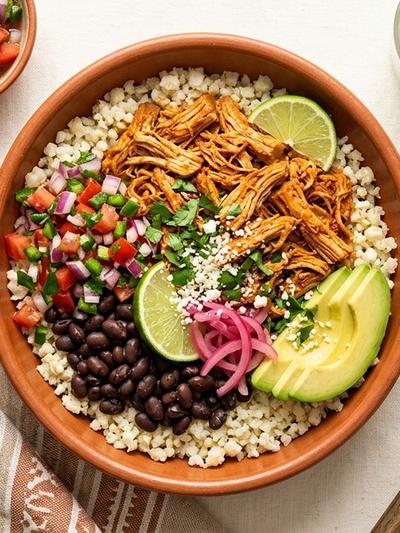
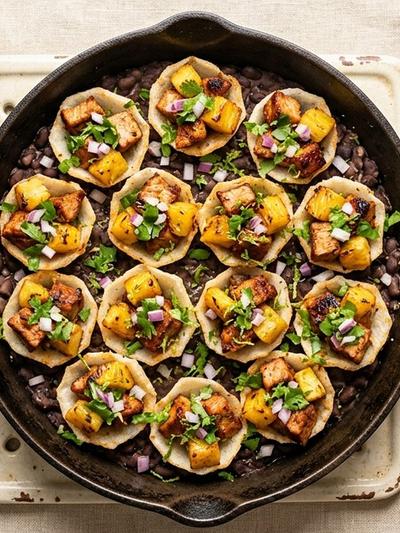
Use the tinga beyond lettuce cups. This same shredded pork works in mini corn tortillas, over cauliflower rice, or spooned into halved bell peppers for a heartier snack. The protein content stays the same regardless of the vessel — lettuce cups simply keep the calorie count lowest.
Adjust portion size to your appetite window. On days when Zepbound or Ozempic suppresses your appetite more than usual, one or two lettuce cups with a glass of water may be all you need. On higher-appetite days, three cups with an extra squeeze of lime still come in well under 400 calories. Listen to your body rather than forcing a fixed amount.
Choose the right lettuce. Butter lettuce is ideal because its soft, pliable leaves form natural cups without cracking. Iceberg works but has less flavor. Avoid romaine hearts — their rigid shape makes messy vessels. If you cannot find butter lettuce, bibb lettuce is the closest substitute and works equally well.
Frequently Asked Questions
Can I use pork shoulder instead of tenderloin for this recipe?
Is this recipe too spicy for GLP-1 users with nausea?
How should I store and reheat the pork tinga?
What if my appetite is very low and a full serving feels like too much?
Can I make this on the stovetop instead of in a slow cooker?
This article provides general food and nutrition guidance only. It does not constitute medical advice. Always consult your healthcare provider regarding your GLP-1 medication and individual nutritional needs.