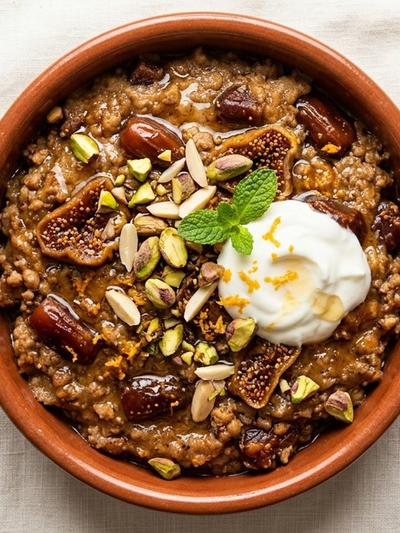
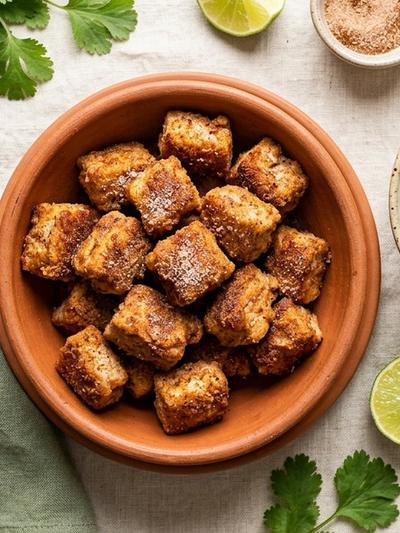
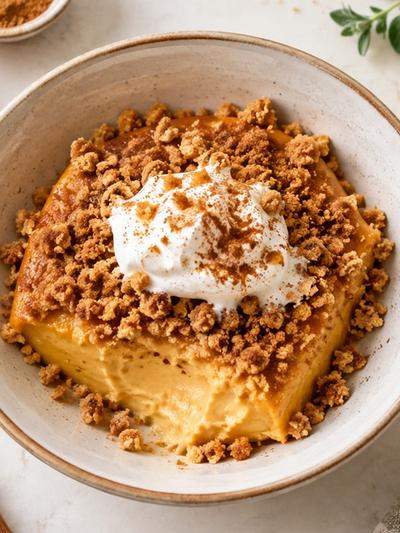
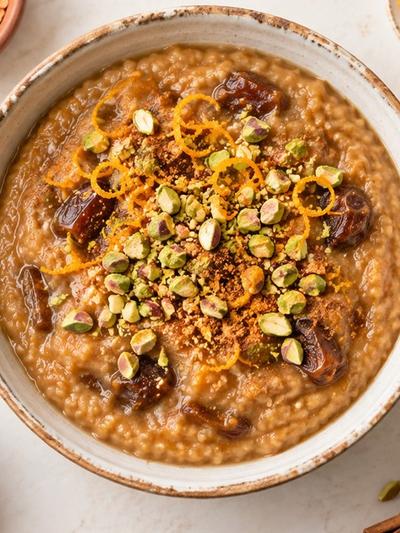
Each serving of this slow cooker arroz con leche delivers 31 grams of protein and just 372 calories, turning a beloved Mexican comfort dessert into a genuinely useful sweet for anyone managing their weight. The protein comes from extra-lean ground pork, which slow-cooks directly into the rice pudding until it virtually disappears into the creamy base. You also get calcium from the milk and a modest dose of omega-3s from the chia seeds stirred in at the end.
Traditional arroz con leche relies on long, gentle simmering to coax starch from the rice into a thick, creamy pudding. This version uses the slow cooker to achieve that same silky texture while infusing the pork with warm Mexican cinnamon and vanilla. A touch of lime zest lifts the richness, and just two tablespoons of honey across the entire batch keeps added sugar remarkably low. The result tastes like something your abuela would approve of — warm, fragrant, and deeply comforting.
For GLP-1 users, this is the kind of sweet that actually works with your medication instead of against it. The high protein content means you stay satisfied with a modest portion, while the slow-cooked rice provides gentle, easy-to-digest carbohydrates. Since GLP-1 medications slow gastric emptying, this soft-textured pudding moves through your system comfortably without the heaviness of a traditional dessert.
Why This Works on GLP-1
Muscle preservation is one of the biggest nutritional challenges during GLP-1-assisted weight loss. When you lose weight on Mounjaro or similar medications, up to 30-40% of that loss can come from lean mass unless you actively protect it with adequate protein intake. At 31 grams of protein per serving, this arroz con leche delivers more than many savory meals, making it a strategic dessert choice rather than empty indulgence. The pork protein is complete, containing all essential amino acids your body needs for muscle repair and maintenance.
The gentle texture of slow-cooked rice pudding is particularly well-suited to GLP-1 digestion. Because these medications slow your stomach's emptying rate, heavy or overly dense foods can cause discomfort. This pudding's smooth, soft consistency is easy on the digestive system while still providing substance and satisfaction.
The combination of protein and complex carbohydrates from the rice creates a steady energy release rather than the blood sugar spike you'd get from a typical sugary dessert. Cinnamon has been studied for its modest effects on blood sugar regulation, and while it's no substitute for medication, it adds a complementary note to an already well-balanced sweet. The chia seeds contribute a small but meaningful amount of fiber and healthy fats to round out the nutritional profile.
Ingredients (serves 4)
For the pudding base:
- 1 lb (454g) extra-lean ground pork (96% lean)
- 1/2 cup (100g) short-grain white rice, such as arborio or calrose
- 3 cups (720ml) low-fat milk (1% or 2%)
- 1/2 cup (120ml) water
- 2 cinnamon sticks (Mexican canela preferred)
- 1 teaspoon pure vanilla extract
- 2 tablespoons (42g) honey
- Zest of 1 lime
- 1/4 teaspoon fine sea salt
For finishing:
- 2 tablespoons (24g) chia seeds
- Ground cinnamon, for dusting
- 4 tablespoons (60g) plain nonfat Greek yogurt (optional, for serving)
Instructions
Brown the pork:
- Heat a large nonstick skillet over medium-high heat. Add the ground pork, breaking it into very small crumbles with a wooden spoon or potato masher. Cook for 6-8 minutes until no pink remains and the meat is finely crumbled — you want pieces no larger than a grain of rice. This fine texture is critical because the pork needs to blend seamlessly into the pudding rather than standing out as distinct meat pieces.
- Drain any rendered fat by pressing the pork against a fine-mesh strainer. Transfer the drained pork to your slow cooker insert.
Assemble the slow cooker:
- Add the rice, milk, water, cinnamon sticks, and salt directly to the slow cooker with the pork. Stir everything together so the rice is evenly distributed and not clumped in one area.
- Cover and cook on LOW for 2.5 to 3 hours, stirring once at the halfway mark. The pudding is done when the rice is completely tender and the mixture has thickened to a creamy, porridge-like consistency. It will continue to thicken as it cools.
Finish and serve:
- Remove and discard the cinnamon sticks. Stir in the honey, vanilla extract, and lime zest. The lime zest brightens the entire dish — don't skip it, as it prevents the pudding from tasting flat.
- Sprinkle in the chia seeds and stir well. Let the pudding rest with the lid on for 5 minutes so the chia seeds begin to hydrate and contribute their gentle thickening effect.
- Divide among four bowls or ramekins. Dust with ground cinnamon and add a tablespoon of Greek yogurt on top if desired. Serve warm, at room temperature, or chilled — all three are excellent.
Nutrition per Serving
| Nutrient | Amount (approx.) |
|---|---|
| Calories | ~372 kcal |
| Protein | ~31g |
| Fat | ~9g |
| Carbohydrates | ~38g |
| Fiber | ~2g |
Estimates based on 96% lean ground pork, 1% milk, and honey. Adding the optional Greek yogurt topping adds approximately 9 calories and 1.5g protein per tablespoon.
Practical Notes
Store and reheat with ease. This pudding keeps well in the refrigerator for up to 4 days in airtight containers. It thickens significantly when chilled — stir in a splash of milk (1-2 tablespoons per serving) when reheating on the stovetop or in the microwave. Many GLP-1 users actually prefer it cold, eaten like a thick custard straight from the fridge.
Adjust sweetness to your tolerance. Two tablespoons of honey across four servings is intentionally modest. If you find it too sweet, reduce to one tablespoon. If you need more, a drizzle of honey directly on your serving gives you precise control. Many Zepbound users report that their sweet tooth diminishes significantly — start with less and add more only if needed.
Swap the milk for a lighter version. You can use unsweetened almond milk or oat milk to reduce calories by roughly 40 per serving, though the pudding will be slightly less creamy. Avoid coconut milk, which would nearly double the fat content and make the dish heavier than ideal for GLP-1 digestion.
Make it a meal prep sweet. Portion the cooled pudding into four small mason jars or containers, dust with cinnamon, and cap them. Having a pre-portioned protein-rich sweet ready in the fridge eliminates the temptation to reach for lower-protein alternatives when a craving hits. This is especially useful during the first few months on GLP-1 medication when you're still learning your new appetite patterns.
Try pork tenderloin as an alternative. If you prefer not to use ground pork, dice 1 lb of pork tenderloin into very small cubes (1/4-inch) and add them directly to the slow cooker without browning. They'll braise in the milk and become meltingly tender over the 3-hour cook time. The texture will be slightly chunkier but equally delicious.
Frequently Asked Questions
Can I really taste the pork in this rice pudding?
Can I use a different protein source instead of pork?
How long does this keep, and can I freeze it?
What if my appetite is very small on GLP-1 and I can't finish a full serving?
Why short-grain rice instead of long-grain?
This article provides general food and nutrition guidance only. It does not constitute medical advice. Always consult your healthcare provider regarding your GLP-1 medication and individual nutritional needs.