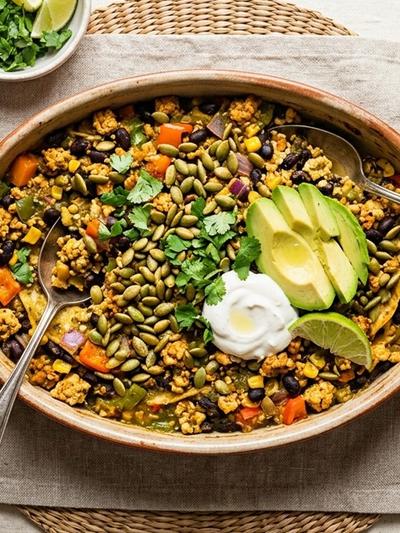
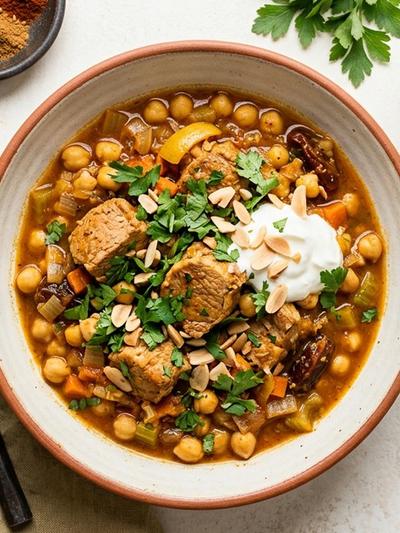
Each bowl of this overnight pozole verde delivers 34 grams of protein from lean pork tenderloin braised until fork-tender in a tangy tomatillo broth. Black beans contribute an additional 5 grams of protein and 4 grams of fiber per serving, while hominy adds satisfying chew and slow-release carbohydrates. At 355 calories per generous bowl, this is a breakfast that sustains you through the morning without feeling heavy.
The flavor here is bright and layered — charred tomatillos create a slightly smoky, citrusy base that mellows overnight in the slow cooker. Poblano pepper adds gentle warmth without aggressive heat, while Mexican oregano and cumin bring the earthy backbone that makes pozole one of Mexico's most beloved comfort foods. The pork turns silky-tender after hours of low braising, shredding effortlessly into the broth.
Setting this up before bed means you wake to a fully cooked, aromatic breakfast that requires zero morning effort — just ladle and garnish. The brothy format is especially well-suited to GLP-1 users who experience morning nausea or low appetite, since warm liquids tend to settle more easily than dense solid meals. Each bowl packs serious nutrition into a comfortable, sippable portion.
Why This Works on GLP-1
Preserving lean muscle mass is one of the most important nutritional goals during GLP-1-assisted weight loss, and this pozole delivers 34 grams of complete protein per serving from pork tenderloin — one of the leanest cuts available at just 3 grams of fat per 4-ounce portion. For people on Mounjaro or similar GLP-1 medications who struggle to meet protein targets due to reduced appetite, a broth-based meal like this makes it significantly easier to consume adequate protein without feeling overly full. The slow-cooked pork is also exceptionally tender, requiring less chewing effort, which matters when appetite and energy are low in the morning.
The 6 grams of fiber per serving comes from a balanced combination of black beans and hominy, both of which provide gentle, soluble fiber that supports digestive regularity without causing bloating. Tomatillos contribute additional vitamin C, which aids iron absorption from the pork — a relevant concern for GLP-1 users who may eat less red meat overall.
The broth-forward format helps with hydration, which is frequently overlooked on GLP-1 medications. Warm, savory liquids also tend to be better tolerated than cold or dry foods during periods of reduced appetite, making this an ideal first meal of the day. The slow cooker method requires no added oil, keeping total fat to just 9 grams per serving.
Ingredients (serves 4)
For the pozole base:
- 1¼ lb (565g) pork tenderloin, trimmed of silver skin
- 1 lb (450g) tomatillos, husked and quartered
- 1 medium poblano pepper, seeded and roughly chopped
- 1 jalapeño, seeded and halved (leave seeds for more heat)
- 1 medium white onion, quartered
- 3 cloves garlic, smashed
- 1 can (15 oz / 425g) white hominy, drained and rinsed
- 1 can (15 oz / 425g) black beans, drained and rinsed
- 1 tsp ground cumin
- 1 tsp dried Mexican oregano
- ½ tsp fine sea salt
- 2 cups (480ml) low-sodium chicken broth
For serving:
- 4 radishes, thinly sliced
- ¼ cup fresh cilantro leaves, roughly chopped
- 2 limes, cut into wedges
- ¼ cup (60g) plain nonfat Greek yogurt
- Pinch of dried oregano for garnish
Instructions
Prepare the slow cooker (evening, 5 minutes):
Place the quartered tomatillos, poblano, jalapeño, onion, and garlic in the bottom of a 5- to 6-quart slow cooker. These aromatics will break down overnight into a thick, flavorful cooking liquid that forms the broth base.
Nestle the whole pork tenderloin on top of the vegetables. Keeping the tenderloin whole prevents it from drying out during the long cook — you will shred it in the morning.
Sprinkle the cumin, Mexican oregano, and salt evenly over the pork.
Scatter the drained hominy and black beans around the sides of the tenderloin. They cook alongside the pork and absorb flavor from the tomatillo broth.
Pour the chicken broth over everything. The liquid should come about halfway up the tenderloin — it does not need to be fully submerged since the tomatillos will release substantial juice as they cook.
Cover and set the slow cooker to low. Cook for 7 to 8 hours (overnight timing works perfectly — set it before bed, eat when you wake).
Finish and serve (morning, 10 minutes):
Remove the pork tenderloin to a cutting board. It should be extremely tender. Using two forks, shred the meat into bite-sized pieces.
While the pork rests, use an immersion blender directly in the slow cooker to partially blend the tomatillo mixture — pulse 4 or 5 times to create a slightly chunky broth. You want some texture remaining, not a smooth purée. If you do not have an immersion blender, transfer half the liquid and vegetables to a standard blender, blend briefly, and return to the pot.
Return the shredded pork to the slow cooker and stir gently to combine. Taste the broth and adjust salt if needed.
Ladle the pozole into bowls. Top each serving with sliced radishes, a tablespoon of Greek yogurt, fresh cilantro, and a generous squeeze of lime. The lime juice is not optional — its acidity brightens the entire dish and aids mineral absorption.
Nutrition per Serving
| Nutrient | Amount (approx.) |
|---|---|
| Calories | ~355 kcal |
| Protein | ~34g |
| Fat | ~9g |
| Carbohydrates | ~30g |
| Fiber | ~6g |
Estimates based on USDA values for raw pork tenderloin (trimmed), canned hominy, canned black beans, fresh tomatillos, and nonfat Greek yogurt. Actual values may vary by brand.
Practical Notes
Overnight timing. Set the slow cooker between 10 and 11 PM on low, and this will be perfectly done by 6 to 7 AM. If your slow cooker runs hot, test once with water to check — some models finish faster than others. The pork is forgiving and will not dry out in the broth even if it goes slightly longer.
Meal prep storage. This pozole stores exceptionally well. Portion into individual airtight containers and refrigerate for up to 4 days or freeze for up to 3 months. The broth thickens slightly when chilled — add a splash of water or broth when reheating. Store garnishes separately to keep them fresh.
Reheating for small appetites. If your appetite is very low in the morning, heat just half a portion in a mug and sip it like soup. The broth alone carries substantial protein from the shredded pork, so even a partial serving provides meaningful nutrition. You can always eat the rest as a mid-morning snack.
Poblano substitution. If you cannot find poblano peppers, substitute one medium green bell pepper plus a pinch of mild chili powder. The heat level will be similar but you will lose some of the smoky depth. Anaheim peppers are another good option and are widely available.
Boost the protein further. For GLP-1 users in the muscle-preservation phase who need more than 34 grams per meal, stir a beaten egg directly into each hot bowl — the residual heat will cook it into silky ribbons, adding roughly 6 grams of protein per egg without changing the character of the dish.
Frequently Asked Questions
Is pozole too heavy for a GLP-1 breakfast?
Can I use pork loin instead of pork tenderloin?
How long does this last in the fridge, and can I freeze individual portions?
What if my appetite is very low in the early weeks of GLP-1 treatment?
Can I use the high setting on the slow cooker for a faster cook?
This article provides general food and nutrition guidance only. It does not constitute medical advice. Always consult your healthcare provider regarding your GLP-1 medication and individual nutritional needs.