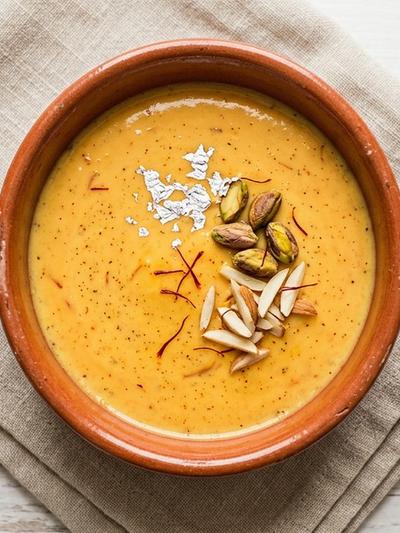
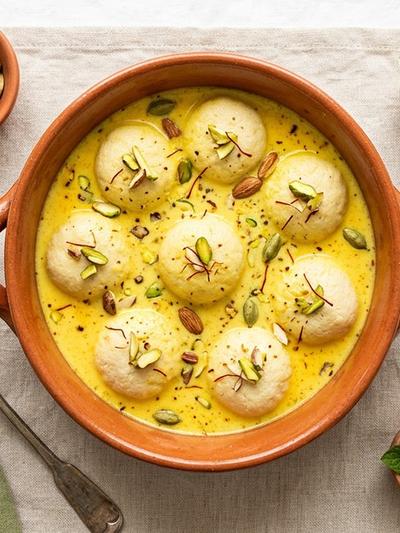
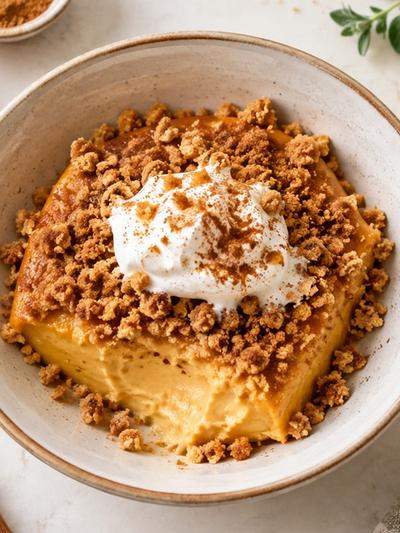
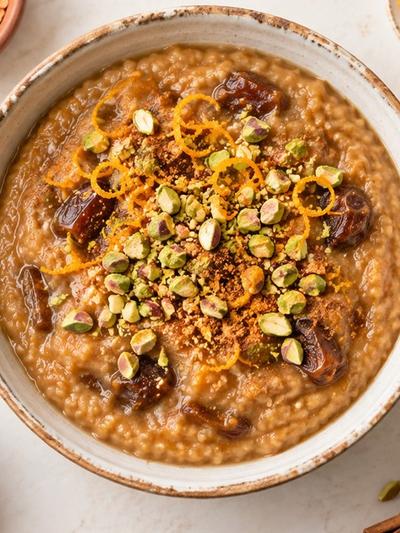
Each serving of this slow cooker chicken halwa delivers 28 grams of complete protein and just 318 calories, making it one of the most protein-dense sweets you can prepare with minimal effort. The chicken breast slow-cooks for hours in spiced milk until it breaks down into fine, silky threads that melt into a warm, custard-like pudding. Saffron, cardamom, and a touch of rose water provide aromatic depth, while a small amount of semolina gives the halwa its traditional body.
This recipe draws from the Mughlai tradition of gosht halwa — a centuries-old meat-based confection from Hyderabad where slow-braised meat is simmered with milk, sugar, and spices until it transforms into something unrecognizable as a savory ingredient. The chicken virtually disappears into the pudding, lending richness and body while the cardamom, saffron, and pistachio do the flavor work. The texture is somewhere between a warm rice pudding and a soft fudge, with gentle spice that warms without any heat.
For GLP-1 users, this halwa solves a real problem: the craving for something sweet and comforting that still delivers meaningful protein. A small bowl feels indulgent and complete. The slow cooker does all the work over four hours, and the result reheats beautifully for portioned treats throughout the week.
Why This Works on GLP-1
With 28 grams of protein per serving, this halwa provides more muscle-supporting nutrition than most conventional desserts offer in an entire recipe. Protein preservation is a genuine concern during GLP-1-assisted weight loss — medications like Mounjaro and Wegovy reduce appetite so effectively that many users struggle to consume enough protein to maintain lean mass. A sweet that contributes meaningfully to your daily protein target helps close that gap without requiring another savory meal.
The slow cooking process breaks the chicken down completely, making it exceptionally easy to digest. For GLP-1 users dealing with delayed gastric emptying, this soft, warm pudding moves through the stomach more comfortably than dense or fibrous desserts. The small amount of ghee provides just enough fat for satiety without the heaviness that can trigger nausea.
The combination of complex carbohydrates from semolina and protein from chicken creates a steady glucose response rather than the spike-and-crash pattern of sugar-heavy sweets. Saffron has also been studied for its mild mood-supporting properties, which can be helpful during the adjustment period of GLP-1 therapy when appetite changes sometimes affect food enjoyment.
Ingredients (serves 4)
For the halwa base:
- 1 lb (450g) boneless, skinless chicken breast
- 2 cups (480ml) low-fat milk
- 3 tablespoons (30g) fine semolina (sooji/rava)
- 2 tablespoons (16g) almond flour
- 1 tablespoon (14g) ghee
- 3 tablespoons (36g) jaggery, grated (or coconut sugar)
- 1/4 teaspoon saffron threads, soaked in 2 tablespoons warm milk
- 6 green cardamom pods, lightly crushed
- 1 teaspoon rose water
- Pinch of fine sea salt
For the garnish:
- 2 tablespoons (16g) unsalted pistachios, finely chopped
- Dried rose petals (optional)
Instructions
Prepare the chicken and start the slow cooker:
Cut the chicken breast into 4 roughly equal pieces — this increases the surface area and helps the meat break down faster during the long cook. Place the chicken in the slow cooker.
Pour the low-fat milk over the chicken. Add the crushed cardamom pods and the saffron threads along with their soaking milk. The saffron needs heat and time to release its full color and flavor, which is why it goes in at the start.
Cover and cook on LOW for 3 hours. The chicken will become extremely tender and the milk will reduce and thicken slightly.
Shred and build the halwa:
After 3 hours, remove the chicken pieces to a cutting board. They should fall apart easily. Use two forks to shred the meat into very fine threads — the finer the better, as you want the chicken to virtually disappear into the pudding. Remove and discard the cardamom pods from the milk.
Return the shredded chicken to the slow cooker. Add the ghee, semolina, and almond flour. Stir everything together thoroughly. The semolina will absorb liquid and begin to thicken the mixture as it cooks.
Add the grated jaggery and stir until it dissolves completely. Jaggery provides a deeper, more caramel-like sweetness than refined sugar, with trace minerals that white sugar lacks.
Cover and cook on LOW for 1 additional hour, stirring once at the 30-minute mark. The halwa is ready when it has thickened to a soft, pudding-like consistency that holds its shape slightly on a spoon but is still moist.
Finish and serve:
Stir in the rose water during the last 5 minutes of cooking — adding it too early would cause the delicate floral aroma to dissipate. Taste and adjust sweetness if needed.
Divide the warm halwa among 4 small bowls. Garnish each serving with chopped pistachios and a few dried rose petals if using. Serve warm or at room temperature.
Nutrition per Serving
| Nutrient | Amount (approx.) |
|---|---|
| Calories | ~318 kcal |
| Protein | ~28g |
| Fat | ~10g |
| Carbohydrates | ~27g |
| Fiber | ~2g |
Estimates based on 1 lb boneless skinless chicken breast, low-fat milk, semolina, ghee, jaggery, almond flour, and pistachios divided into 4 servings.
Practical Notes
Meal prep and storage. This halwa stores well in airtight containers in the refrigerator for up to 4 days. It thickens as it cools — reheat individual portions in the microwave for 45–60 seconds with a splash of milk to restore the creamy consistency. It also freezes well for up to 3 months in individual portions.
Shred the chicken as finely as possible. The success of this recipe depends on the chicken being virtually undetectable in the finished pudding. After the initial 3-hour cook, the meat should practically fall apart. If you want an even smoother result, pulse the shredded chicken briefly in a food processor before returning it to the slow cooker.
Sweetness is adjustable. Three tablespoons of jaggery creates a mildly sweet halwa — much less sweet than traditional Indian mithai. If you prefer it sweeter, add an extra tablespoon. For an even lower-sugar version, reduce to 2 tablespoons and add a pinch of cinnamon, which enhances the perception of sweetness without added sugar.
Portion size matters on GLP-1. This recipe makes 4 servings of roughly 3/4 cup each. If your appetite is particularly reduced, split it into 6 smaller portions instead — you will still get about 19 grams of protein per serving, which is substantial for a sweet treat.
Saffron substitution. Good saffron is expensive. If you do not have it, substitute 1/4 teaspoon ground turmeric for color and add an extra cardamom pod for aroma. The flavor will be different but still delicious. Do not use imitation saffron, which adds artificial color without any of the genuine flavor compounds.
Frequently Asked Questions
Can I really taste the chicken in this halwa?
Can I use chicken thighs instead of breast?
How should I reheat this if I meal-prepped it?
What if my appetite is very small in the early weeks of GLP-1 treatment?
Can I make this in an Instant Pot or on the stove instead?
This article provides general food and nutrition guidance only. It does not constitute medical advice. Always consult your healthcare provider regarding your GLP-1 medication and individual nutritional needs.