Each serving of these chicken rasmalai dumplings delivers 32 grams of protein from a combination of lean ground chicken breast and part-skim ricotta, with an additional boost from the saffron-cardamom poaching milk. The dumplings provide complete protein with all essential amino acids, while the calcium-rich milk base adds bone-supporting minerals that matter during active weight loss. At just 318 calories per portion, this is a sweet that pulls its nutritional weight.
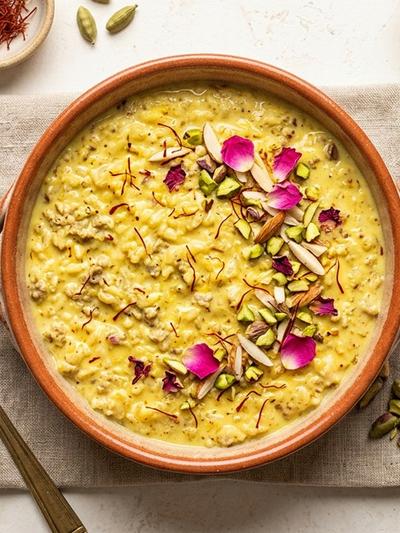
The flavor here is unmistakably Indian — warm cardamom, threads of saffron blooming in milk, and a whisper of rose water that lifts the whole dish. Ground chicken disappears into the ricotta-bound dumplings, creating a texture that's remarkably close to traditional chenna-based rasmalai: pillowy, slightly spongy, and soaked through with fragrant milk. Chopped pistachios on top add a gentle crunch that contrasts the soft dumplings beautifully.
This recipe works particularly well for GLP-1 users because the dumplings are light and easy to digest — no heavy cream, no deep frying, no dense sugar syrups. Two or three small dumplings with a few spoonfuls of the poaching milk make a satisfying sweet course that won't sit heavily. Everything cooks in a single saucepan, so cleanup is minimal on days when your energy is limited.
Why This Works on GLP-1
Preserving lean muscle mass is one of the most important nutritional goals during GLP-1-assisted weight loss, and this dessert contributes meaningfully with 32 grams of protein per serving. Ground chicken breast is one of the leanest complete protein sources available, and pairing it with ricotta adds branched-chain amino acids that support muscle protein synthesis. For people on Mounjaro or similar GLP-1 medications who find their appetite significantly reduced, getting protein from a sweet dish — not just savory meals — can help bridge the daily intake gap. Most traditional desserts offer virtually no protein, making this a genuinely useful alternative.
The poaching method keeps fat content low at 11 grams per serving, and the gentle simmering process makes the dumplings exceptionally easy on the stomach. Unlike fried sweets or dense barfis, these soft dumplings break down easily during digestion, which matters when GLP-1 medications are slowing gastric emptying. The warm milk base is itself soothing and well-tolerated by most people.
Saffron has mild digestive benefits and has been studied for its potential mood-supporting properties — a relevant consideration given that some Zepbound users report changes in food-related mood during the adjustment period. The calcium from both the ricotta and the milk supports bone health, which deserves attention during any period of significant weight loss.
Ingredients (serves 4)
For the dumplings:
- 1 lb (450g) ground chicken breast (at least 99% lean)
- 3/4 cup (185g) part-skim ricotta
- 2 tablespoons fine semolina (rava/sooji)
- 1/2 teaspoon ground cardamom
- 1 pinch salt
- 1 large egg white
For the poaching milk:
- 3 cups (720ml) low-fat milk (1% or 2%)
- 2 tablespoons honey
- 1/4 teaspoon saffron threads (about 20 threads)
- 4 green cardamom pods, lightly crushed
- 1 teaspoon rose water
- 1 tablespoon chopped unsalted pistachios, for garnish
Instructions
Prepare the dumpling mixture:
Combine the ground chicken, ricotta, semolina, ground cardamom, and salt in a mixing bowl. Add the egg white. Mix thoroughly with your hands or a fork until the mixture is smooth and uniform — this takes about two minutes of working the mixture. The egg white and semolina act as binders that will hold the dumplings together during poaching.
With damp hands, shape the mixture into 12 small balls, each roughly the size of a large walnut (about 1.5 inches or 4cm across). Place them on a plate. If the mixture feels too sticky, dampen your hands again — wet hands prevent sticking without adding flour.
Prepare the poaching milk:
Pour the milk into a wide, deep saucepan or Dutch oven (at least 10 inches across — the dumplings need room). Add the honey, saffron threads, and crushed cardamom pods. Bring to a gentle simmer over medium heat, stirring once to dissolve the honey. The saffron will begin releasing its golden color into the milk within the first minute.
Reduce heat to medium-low so the milk is barely simmering — you want small, lazy bubbles, not a rolling boil. A vigorous boil will break the dumplings apart.
Poach the dumplings:
Gently lower the dumplings into the simmering milk one at a time using a spoon. Space them evenly — they will expand slightly as they cook. Do not stir or move them for the first five minutes, as they need time to set on the outside.
Cover the pan with a lid slightly ajar and poach for 18 to 20 minutes over medium-low heat. The dumplings will puff up slightly and firm to the touch when done. Gently flip each dumpling once at the 10-minute mark using a slotted spoon to ensure even cooking. The milk will reduce somewhat and thicken slightly — this is expected.
Finish and serve:
Remove the pan from heat. Stir in the rose water gently. Let the dumplings rest in the milk for at least 10 minutes — they absorb more flavor as they cool. Remove and discard the cardamom pods.
Serve warm or chilled, spooning 3 dumplings per person into small bowls with several tablespoons of the saffron milk. Scatter chopped pistachios over the top.
Nutrition per Serving
| Nutrient | Amount (approx.) |
|---|---|
| Calories | ~318 kcal |
| Protein | ~32g |
| Fat | ~11g |
| Carbohydrates | ~23g |
| Fiber | ~1g |
Estimates based on 99% lean ground chicken breast, part-skim ricotta, and 1% milk. Actual values may vary with specific brands and milk fat content.
Practical Notes
Serve warm or cold — both work. These dumplings are excellent served warm right after poaching, but they also work beautifully chilled. Refrigerated overnight, they absorb more of the saffron milk and develop a deeper, more complex flavor. Many traditional rasmalai recipes actually call for chilling before serving.
Store for up to 3 days. Keep the dumplings submerged in their poaching milk in an airtight container in the refrigerator. They will continue to absorb liquid and become softer over time, which most people prefer. Do not freeze — the texture becomes grainy after thawing.
Use the leanest ground chicken you can find. Standard ground chicken often includes dark meat and skin, which more than doubles the fat content. Look for ground chicken breast specifically, or ask your butcher to grind boneless skinless breast for you. If you can only find regular ground chicken, the recipe still works but the fat will increase to approximately 18 grams per serving.
Adjust sweetness to your tolerance. Two tablespoons of honey for four servings is quite restrained. If you find the result too mild, add another tablespoon of honey or a teaspoon of maple syrup to the milk before poaching. Many GLP-1 users find their sweet tolerance changes over time — start conservative and adjust.
Keep the simmer gentle. The single most common mistake with this recipe is poaching at too high a temperature. If the milk is boiling vigorously, the dumplings will disintegrate. You want the surface of the milk to barely move, with small bubbles appearing around the edges of the pan. If in doubt, turn the heat down — a slower poach always produces better results than a fast one.
Frequently Asked Questions
Will I taste the chicken in the dumplings?
Can I use ground turkey or a plant-based protein instead?
How should I reheat the dumplings?
What if my appetite is very small on GLP-1 medication?
My dumplings fell apart during poaching — what went wrong?
This article provides general food and nutrition guidance only. It does not constitute medical advice. Always consult your healthcare provider regarding your GLP-1 medication and individual nutritional needs.