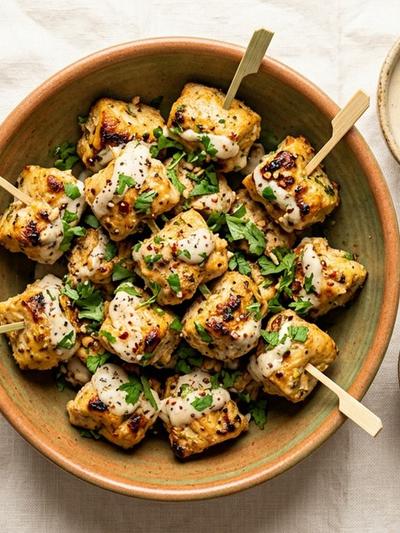
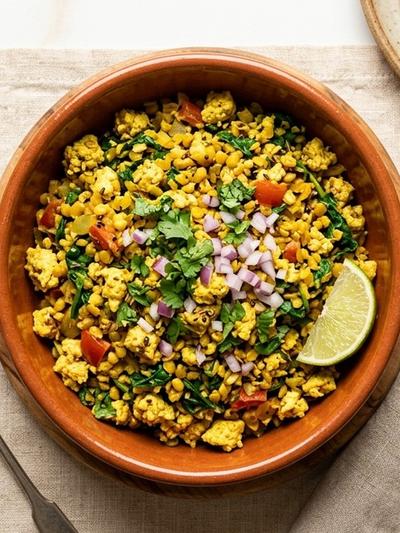
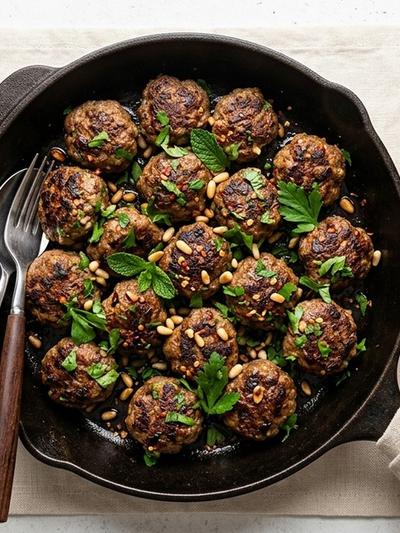
This skillet chicken keema delivers 32 grams of protein per snack-sized serving with only 225 calories and 6 grams of fat. Ground chicken breast cooks quickly with ginger, garlic, and a warm blend of cumin, coriander, turmeric, and garam masala — creating a deeply savory filling that satisfies without excess volume. The addition of green peas brings gentle fiber and a touch of natural sweetness that rounds out each bite. Every ingredient earns its place in the pan.
Keema is one of India's great comfort foods — spiced minced meat cooked dry with aromatics until intensely flavored. This version builds layers of warmth: fresh ginger and garlic hit first, followed by earthy cumin and coriander, then the complex sweetness of garam masala. A small amount of tomato adds acidity and moisture without turning the dish saucy, keeping the texture tight and scoopable. The peas pop with brightness against the deeply spiced chicken.
For GLP-1 users, this keema works as an ideal between-meal snack or light mini-meal. The dry texture means you eat slowly and deliberately — no risk of drinking calories or overeating liquid-based dishes. A small portion feels genuinely substantial because the spice complexity tricks your palate into deep satisfaction, and the high protein content supports satiety signals that complement your medication's appetite-regulating effects.
Why This Works on GLP-1
Each serving of this keema provides 32 grams of complete protein from ground chicken breast, which is critical for preserving lean muscle mass during GLP-1-assisted weight loss. Research consistently shows that patients on medications like Mounjaro lose both fat and muscle, and adequate protein intake — spread across meals and snacks — is the primary dietary strategy to minimize muscle loss. A snack delivering this much protein in under 230 calories is unusually efficient. Most high-protein snacks rely on dairy or processed protein sources, while this keema delivers whole-food protein with genuine flavor.
The gentle spicing in this dish is deliberately moderate — turmeric has anti-inflammatory properties, and the ginger supports digestive comfort, which matters when GLP-1 medications slow gastric emptying. The 3 grams of fiber from peas adds bulk without the bloating risk that comes from higher-fiber legumes like chickpeas or lentils. This balance keeps the dish easy to digest even on sensitive days.
At only 6 grams of fat per serving, this keema avoids the heavy, greasy quality that can trigger nausea for Wegovy and Ozempic users. The small amount of oil used for cooking is just enough to bloom the spices properly and develop flavor. The low fat content also means faster gastric emptying compared to fattier meals, reducing the uncomfortable fullness that high-fat foods can cause on GLP-1 therapy.
Ingredients (serves 4)
For the keema:
- 1½ lbs (680g) ground chicken breast (at least 99% lean)
- 1 cup (130g) frozen green peas
- 1 medium yellow onion, finely diced
- 2 medium Roma tomatoes, finely diced
- 4 cloves garlic, minced
- 1-inch (2.5cm) piece fresh ginger, grated
- 1 small green chili, seeded and minced (optional — omit for sensitive stomachs)
- 2 tsp olive oil or avocado oil
For the spice blend:
- 1½ tsp ground cumin
- 1 tsp ground coriander
- ½ tsp ground turmeric
- ½ tsp garam masala
- ½ tsp fine sea salt
- ¼ tsp black pepper
For finishing:
- 2 tbsp fresh cilantro, chopped
- 1 tbsp fresh lemon juice
Instructions
Prepare the aromatics and spice blend:
- Measure all spices into a small bowl and mix together. Having the spice blend ready prevents burning while you scramble to measure mid-cook — ground spices go from fragrant to bitter in seconds.
- Finely dice the onion and tomatoes. Mince the garlic and grate the ginger. If using the green chili, seed it and mince finely. Small, uniform cuts ensure everything cooks evenly and integrates into the keema rather than leaving chunky pieces.
Cook the keema:
- Heat the oil in a large nonstick skillet or well-seasoned cast iron pan over medium-high heat. Add the diced onion and cook for 3–4 minutes, stirring occasionally, until softened and just turning golden at the edges.
- Add the garlic, ginger, and green chili (if using). Stir constantly for 30 seconds until fragrant — the ginger should smell sharp and the garlic should sizzle without browning.
- Add the ground chicken breast, breaking it into small crumbles with a wooden spoon or spatula. Cook for 5–6 minutes, stirring frequently, until the chicken is fully cooked through with no pink remaining. Breaking the meat into fine crumbles creates more surface area for the spices to coat.
- Sprinkle the spice blend evenly over the cooked chicken. Stir well and cook for 1 minute, allowing the dry spices to toast lightly in the pan's heat. This brief toasting step blooms the spices' essential oils and deepens their flavor significantly.
- Add the diced tomatoes and stir to combine. Cook for 2–3 minutes until the tomatoes break down and their moisture is mostly absorbed. The keema should look dry and well-coated, not saucy.
- Add the frozen peas directly to the pan. Stir and cook for 2 minutes until the peas are heated through and bright green. There is no need to thaw them first — the residual heat in the pan is sufficient.
Finish and serve:
- Remove the pan from heat. Squeeze the lemon juice over the keema and toss with chopped cilantro. The acid brightens the warm spices and cuts through the richness.
- Divide into 4 portions. Serve as-is in a small bowl, or with a few cucumber slices on the side for added crunch.
Nutrition per Serving
| Nutrient | Amount (approx.) |
|---|---|
| Calories | ~225 kcal |
| Protein | ~32g |
| Fat | ~6g |
| Carbohydrates | ~11g |
| Fiber | ~3g |
Estimates based on 99% lean ground chicken breast, measured oil, and standard nutritional data for vegetables and spices.
Practical Notes
This keema refrigerates exceptionally well. Store in airtight containers for up to 4 days. The flavors actually deepen overnight as the spices meld. Reheat in a skillet over medium heat with a splash of water to loosen, or microwave covered for 90 seconds. It tastes better reheated than many other chicken dishes because the dry texture prevents sogginess.
Scale the portion to your appetite window. If you are in the early weeks of GLP-1 treatment and eating very small amounts, divide this recipe into 6 portions instead of 4. Each smaller serving still delivers over 21 grams of protein, which is meaningful for a snack. You can always go back for more if your appetite allows.
Use this as a versatile protein base. Spoon it into a small whole-wheat tortilla for a quick wrap, pile it onto a bed of baby spinach for a warm salad, or tuck it inside a halved bell pepper. The dry, crumbly texture makes it adaptable to many formats without adding extra calories or requiring additional cooking.
Ground chicken breast matters here. Regular ground chicken often includes dark meat and skin, nearly doubling the fat content. Check the label for 99% lean or ask your butcher to grind breast meat. If you can only find 93% lean, the recipe still works — expect roughly 8 grams of fat and 245 calories per serving instead.
Adjust heat to your comfort level. The green chili is entirely optional. Many GLP-1 users find that capsaicin worsens nausea or reflux symptoms, particularly in the first months of treatment. The dish is fully flavored without it — the cumin, coriander, and garam masala carry all the warmth you need.
Frequently Asked Questions
Is this keema too spicy for someone newly started on GLP-1 medication?
Can I substitute ground turkey or another protein for the chicken?
How long does this keema last in the fridge, and can I freeze it?
What if I can only eat a few bites at a time on my GLP-1 medication?
Why does the recipe call for adding spices to the cooked chicken rather than the oil?
This article provides general food and nutrition guidance only. It does not constitute medical advice. Always consult your healthcare provider regarding your GLP-1 medication and individual nutritional needs.