 By Gerald
These chai-spiced chickpea squares deliver 26 grams of plant-based protein per serving from a double source of toasted chickpea flour (besan) and silken tofu, backed by a scoop of plant-based protein powder. At 365 calories with 6 grams of fiber, they land in the sweet spot between genuine treat and practical nutrition. The protein profile is functionally complete — tofu's lysine pairs with chickpea flour's methionine, covering the amino acid gaps that trip up most plant-based desserts.
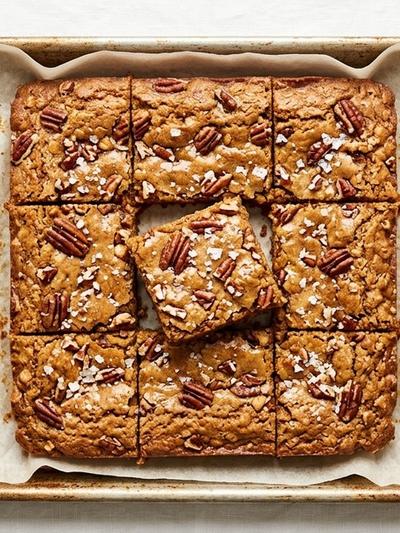
Toasting chickpea flour transforms it from chalky powder into something deeply nutty and aromatic, the same technique behind traditional Indian besan barfi. That warm, almost caramelized base meets a blend of cardamom, cinnamon, ginger, and cloves — the classic chai masala spice combination — while almond butter adds richness and a maple-sweetened tofu base keeps everything moist and fudgy. Toasted sliced almonds scattered across the top bring crunch and a visual cue that these squares are worth reaching for.
The sheet-pan format makes these squares ideal for batch prep: cut them into four generous portions or eight smaller bites depending on your appetite that day. The gentle spice blend sits comfortably in the stomach, and the moderate sweetness — just three tablespoons of maple syrup for the entire batch — means you finish genuinely satisfied rather than triggered into wanting more.
Why This Works on GLP-1
Twenty-six grams of complete protein per serving comes from three sources working in concert: chickpea flour, silken tofu, and plant-based protein powder. For anyone on Mounjaro, Ozempic, or Wegovy, maintaining lean muscle mass during weight loss is the primary nutritional challenge, and most people struggle to hit their protein targets at dessert. These squares turn a moment that usually works against your goals into one that actively supports them. The broad amino acid profile from blending legume and soy proteins means you are not sacrificing quality for the sake of being plant-based.
Six grams of fiber per serving, contributed by the chickpea flour and ground flaxseed, slows glucose absorption and helps prevent the blood-sugar spike that simple-carb desserts typically cause. The moderate fat content — 15 grams, mostly unsaturated from almonds, tofu, and flax — further blunts glycemic response without making the squares heavy or difficult to digest.
Cardamom and ginger are both traditional digestive aids in Indian cooking, and here they serve double duty as flavor and function. The total added sugar is modest, under 10 grams per serving from the maple syrup, keeping these squares well within GLP-1 dietary recommendations while still tasting like a real dessert rather than a supplement bar.
Ingredients (serves )
For the chickpea squares:
- 1½ cups (138g) chickpea flour (besan)
- 12 oz (340g) firm silken tofu, drained
- 1½ scoops (45g) vanilla plant-based protein powder
- 2 tbsp (32g) almond butter, at room temperature
- 3 tbsp (45ml) pure maple syrup
- 1 tbsp (14g) coconut oil, melted
- 2 tbsp (16g) ground flaxseed
- 1½ tsp ground cardamom
- 1 tsp ground cinnamon
- ½ tsp ground ginger
- ¼ tsp ground cloves
- ¼ tsp freshly ground black pepper
- ¼ tsp fine sea salt
For the topping:
- 2 tbsp (14g) sliced almonds
- Pinch of ground cardamom
Instructions
Amounts in the method are for 4 servings.
Toast the chickpea flour:
- Place the chickpea flour in a large dry skillet over medium-low heat. Stir constantly with a wooden spoon or silicone spatula for 8–10 minutes until the flour darkens from pale yellow to sandy gold and releases a distinct nutty aroma, like roasted peanuts. This step is non-negotiable — raw chickpea flour tastes bitter and chalky, and no amount of spice will cover it. Transfer the toasted flour to a large mixing bowl and let it cool for 5 minutes.
Prepare the batter:
- While the flour cools, preheat your oven to 350°F (175°C). Line an 8×8-inch (20×20 cm) baking pan with parchment paper, leaving a 2-inch overhang on two sides for easy removal later.
- In a blender or food processor, blend the drained silken tofu until completely smooth, about 30 seconds. Scrape down the sides and blend again briefly — you want no visible curds remaining.
- Add the blended tofu, melted coconut oil, almond butter, and maple syrup to the bowl with the toasted chickpea flour. Stir with a spatula until evenly combined, breaking up any clumps of flour.
- Add the protein powder, ground flaxseed, cardamom, cinnamon, ginger, cloves, black pepper, and salt. Mix until you have a thick, uniform batter that holds its shape when pressed with the back of a spoon. It will be denser than cake batter, closer to cookie dough.
Bake the squares:
- Scrape the batter into the prepared pan and press it into an even layer using the back of a damp spoon or offset spatula. Scatter the sliced almonds over the surface and press them gently so they adhere. Dust with a pinch of ground cardamom.
- Bake for 22–25 minutes until the edges are firm and lightly golden and the center is set but still gives slightly when pressed with a fingertip. The squares firm up significantly as they cool, so resist the urge to overbake — a slightly soft center now becomes perfectly fudgy once cooled.
- Let the pan cool completely on a wire rack for at least 30 minutes. Lift the slab out using the parchment overhang and cut into 4 large squares or 8 smaller bars.
Nutrition per Serving
| Nutrient | Amount (approx.) |
|---|---|
| Calories | ~365 kcal |
| Protein | ~26g |
| Fat | ~15g |
| Carbohydrates | ~31g |
| Fiber | ~6g |
Calculated from USDA data for chickpea flour, firm silken tofu, almond butter, sliced almonds, ground flaxseed, maple syrup, and coconut oil; protein powder values based on a standard vanilla plant-based isolate.
Practical Notes
Toast the besan thoroughly — this is where the flavor lives. The difference between 6 minutes and 10 minutes of toasting is the difference between a forgettable bar and one that tastes like halwa. Watch for a definite color shift from pale yellow to golden sand, and trust your nose: when it smells like roasted peanuts, it is ready. Keep the heat at medium-low, because besan scorches quickly once it turns, and the window between perfectly toasted and acrid is about 90 seconds.
Store in the refrigerator for up to 5 days. Stack the squares between sheets of parchment paper in an airtight container. They firm up when cold, which many GLP-1 users actually prefer — the denser texture feels more like traditional barfi fudge and is easier to eat in small, controlled bites. Let them sit at room temperature for 10 minutes if you prefer a softer, chewier texture.
Freeze for up to 2 months. Wrap each square individually in parchment paper, then store them in a freezer-safe bag. Thaw overnight in the refrigerator. The tofu base retains moisture well through freeze-thaw cycles, so the texture holds up without getting crumbly or dry.
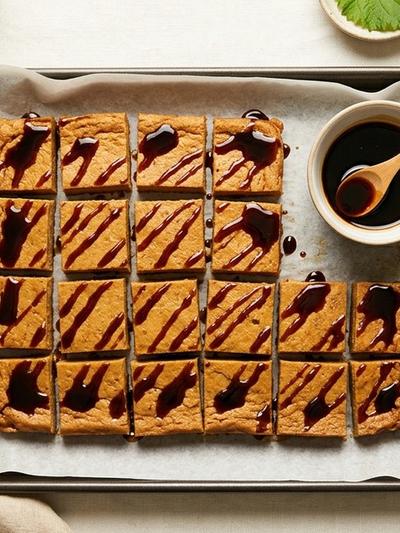
Adjust sweetness to your current tolerance. GLP-1 medications often shift sweet preferences — what tasted right before may taste cloying now. Start with 2 tablespoons of maple syrup, taste the batter before baking, and add the third tablespoon only if you want it. You can also drizzle a thin line of maple syrup over the finished cooled squares rather than mixing it all into the batter, so the sweetness hits your tongue immediately.
Cut smaller on high-dose weeks. Slice the batch into 8 pieces instead of 4 during the days after an injection, when appetite is at its lowest. Each half-portion still delivers 13 grams of protein and 183 calories — meaningful for a small sweet, and easy to pair with a cup of chai tea for a complete snack.
Frequently Asked Questions
Can I eat these squares during early GLP-1 treatment when my appetite is very low?
What can I substitute for the plant-based protein powder?
How should I store and reheat these for weekly meal prep?
What if these are too dense for my appetite right now?
Can I toast the chickpea flour in the oven instead of on the stovetop?
This article provides general food and nutrition guidance only. It does not constitute medical advice. Always consult your healthcare provider regarding your GLP-1 medication and individual nutritional needs.