Each two-square serving delivers 27 grams of plant-based protein from a trio of soy sources — extra-firm tofu, kinako (roasted soybean flour), and vanilla protein powder — making this one of the most protein-dense desserts you can bake on a single sheet pan. At 340 calories and 14 grams of fat per portion, the macros stay tight enough for any structured eating plan while providing genuine dessert satisfaction. Five grams of fiber per serving come primarily from the kinako, which adds gentle bulk without the digestive heaviness of whole beans or raw legumes.
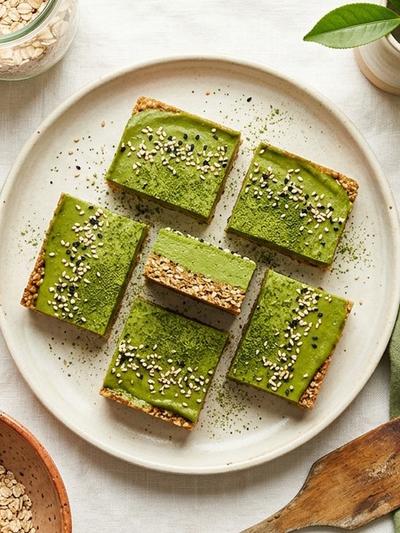
The flavor is unmistakably Japanese. Kinako brings a warm, toasted-grain nuttiness that sits somewhere between peanut butter and roasted sesame, while a spoonful of white miso deepens the caramel undertones without tasting savory. The kuromitsu drizzle — a simple two-ingredient black sugar syrup made from muscovado sugar — ties everything together with a rich, molasses-like warmth that recalls traditional wagashi confections. Toasted sesame seeds scattered across the top add a gentle crunch against the dense, fudgy interior.
These squares work particularly well for GLP-1 users because they satisfy in small portions. Two squares is a complete dessert serving that feels indulgent without the sugar crash of conventional sweets, and the high protein content keeps you satiated rather than reaching for another bite.
Why This Works on GLP-1
With 27 grams of protein per serving, these squares help protect lean muscle mass during the weight loss that typically accompanies GLP-1 medications like Mounjaro and Wegovy. Muscle preservation matters because lean tissue drives your resting metabolic rate — lose too much muscle and your metabolism slows, making long-term weight maintenance harder once you reach your goal. Soy protein is a complete protein, providing all nine essential amino acids your body needs for tissue repair and synthesis. The combination of whole tofu, roasted soybean flour, and protein powder spreads amino acid absorption across different soy fractions, supporting more sustained availability throughout digestion.
The 5 grams of fiber per serving contribute to the gentle satiety signal that GLP-1 users benefit from most. Because kinako is a pre-roasted and finely ground product, its fiber is easier on the digestive system than whole beans or raw legumes — an important distinction when your gastric emptying is already slowed by medication.
White miso provides a small but useful dose of probiotics and B vitamins, both of which support gut health during GLP-1 treatment. The 29 grams of carbohydrates per serving are well balanced by the protein and fat content, preventing the sharp blood sugar spikes that can worsen nausea in some users during their first weeks on Zepbound or Ozempic.
Ingredients (serves 4)
For the tofu squares:
- 1 block (14 oz / 400g) extra-firm tofu, drained
- ½ cup plus 1 tablespoon (68g) kinako (roasted soybean flour), divided
- 3 tablespoons (45g) vanilla plant-based protein powder
- 2 large eggs
- ¼ cup (30g) oat flour
- 1½ tablespoons (30g) pure maple syrup
- 1 tablespoon (18g) white (shiro) miso paste
- 1 teaspoon vanilla extract
- ¼ teaspoon fine sea salt
For the kuromitsu drizzle:
- 3 tablespoons (35g) muscovado sugar or dark brown sugar
- 2 tablespoons (30ml) water
For topping:
- 1 tablespoon kinako (reserved from above)
- 1 tablespoon (8g) toasted white sesame seeds
Instructions
Press and prepare the tofu:
Preheat your oven to 350°F (175°C). Line an 8×8-inch (20×20 cm) baking pan with parchment paper, leaving a 2-inch overhang on two opposite sides — this makes lifting the finished slab out for clean cuts much easier.
Wrap the drained tofu block in a clean kitchen towel or several layers of paper towels. Place it on a cutting board, set a heavy skillet or pot on top, and press for 10 minutes. Removing excess moisture is critical — wet tofu produces a soggy, crumbly bar instead of a firm, fudgy one.
Blend the batter:
Break the pressed tofu into rough chunks and add to a food processor or high-speed blender. Add ½ cup (60g) of the kinako, the protein powder, oat flour, eggs, maple syrup, miso paste, vanilla extract, and salt. Process for 60–90 seconds until completely smooth, scraping down the sides once halfway through. The batter should look like a thick, pale-gold pudding with no visible tofu chunks.
Pour the batter into the prepared pan and spread evenly with a spatula or the back of a spoon. Tap the pan firmly against the counter two or three times to release trapped air bubbles, which would leave holes in the finished squares.
Bake:
- Bake for 22–25 minutes until the edges pull away slightly from the parchment and the top feels set when lightly pressed with a fingertip. The center should still give slightly — it firms up considerably as it cools. Overbaking dries out the squares and makes them crumbly rather than fudgy.
Make the kuromitsu while the squares bake:
- Combine the muscovado sugar and water in a small saucepan over medium heat. Stir until the sugar dissolves completely, then let simmer without stirring for 2–3 minutes until the syrup thickens enough to coat the back of a spoon. Remove from heat and set aside. The syrup will continue to thicken slightly as it cools.
Cool, cut, and finish:
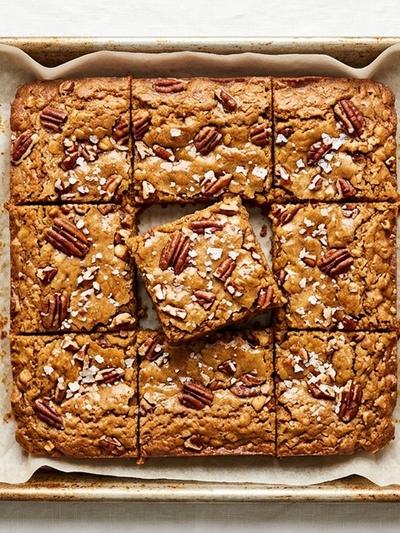
Let the squares cool in the pan on a wire rack for at least 15 minutes — cutting too early causes the center to crumble. Use the parchment overhang to lift the slab onto a cutting board and cut into 8 equal squares.
Drizzle the warm kuromitsu over the squares. Dust with the reserved 1 tablespoon of kinako and scatter the toasted sesame seeds on top. Serve two squares per portion.
Nutrition per Serving
| Nutrient | Amount (approx.) |
|---|---|
| Calories | ~340 kcal |
| Protein | ~27g |
| Fat | ~14g |
| Carbohydrates | ~29g |
| Fiber | ~5g |
Based on extra-firm tofu, standard vanilla plant-based protein powder (20g protein per 30g scoop), and muscovado sugar. Exact values vary by brand.
Practical Notes
Store for the week. Cooled squares keep in an airtight container in the refrigerator for up to 5 days. Store the kuromitsu in a separate small jar and drizzle just before eating — this prevents the squares from absorbing moisture and turning soft. They taste great cold straight from the fridge and need no reheating.
Where to find kinako. Roasted soybean flour is stocked at Japanese and Korean grocery stores, usually in the baking or confectionery aisle. It is also widely available online from Asian food retailers. If you cannot source it, roasted peanut flour (PBfit or a similar defatted brand) makes a reasonable flavor substitute, though the protein and fat content will differ slightly.
Freeze individual squares. Wrap each square in plastic wrap, then place them in a freezer bag for up to 2 months. Thaw overnight in the refrigerator or microwave for 20–30 seconds on low power. Apply the kuromitsu drizzle after thawing, not before freezing.
Start small on GLP-1. These squares are dense and protein-rich by design. If you are in the early weeks of your medication and your appetite is significantly reduced, eat one square and wait 15 minutes before deciding whether you want the second. GLP-1 medications delay gastric emptying, so fullness signals arrive later than you expect.
Make kinako from scratch. Toast ½ cup of dried soybeans in a dry skillet over medium heat for 8–10 minutes, shaking frequently, until fragrant and deep golden brown. Cool completely, then grind to a fine powder in a spice grinder or high-speed blender. Sift out any coarse bits. Homemade kinako has a noticeably fresher, more intense flavor than packaged versions.
Frequently Asked Questions
Can I eat these squares if I'm experiencing nausea on GLP-1 medication?
What can I use instead of kinako if I can't find it?
How long do these squares keep, and can I freeze them?
What if my appetite is very small and two squares feel like too much?
My squares came out crumbly and dry instead of fudgy. What went wrong?
This article provides general food and nutrition guidance only. It does not constitute medical advice. Always consult your healthcare provider regarding your GLP-1 medication and individual nutritional needs.