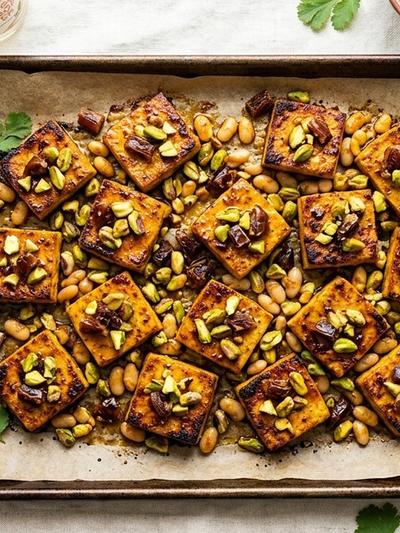
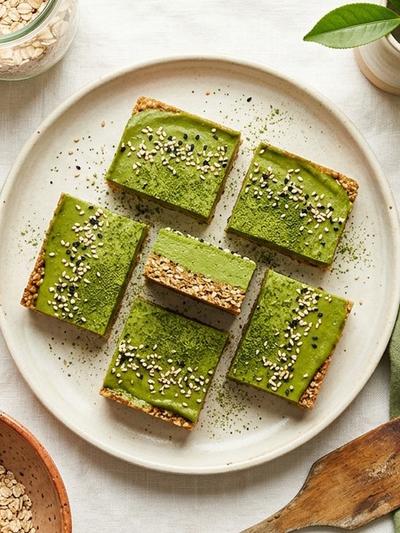
Each serving of these Thai-inspired tofu squares delivers 26 grams of protein from extra-firm tofu, plant-based protein powder, and eggs, all bound together with oat flour and a spoonful of peanut butter for richness. Two tablespoons of desiccated coconut and the zest of two limes give the batter a tropical sweetness without relying on excessive sugar. At 345 calories per two-square serving, these are a dessert you can reach for daily without derailing your nutrition targets.
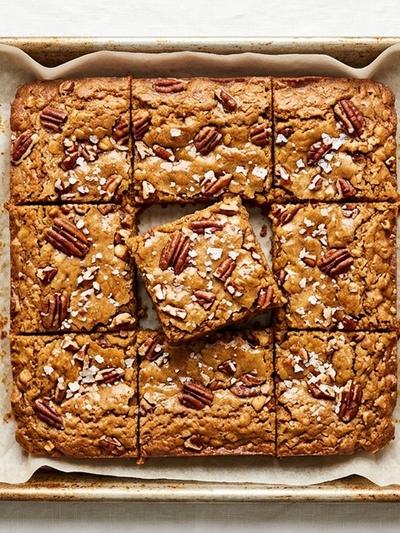
The flavor leans into classic Thai dessert territory: creamy coconut, sharp lime, and warm vanilla form the base, while the peanut butter adds a savory undertone that keeps each bite interesting. Ground ginger rounds out the edges with gentle heat. The texture lands between a dense cheesecake bar and a fudgy blondie — substantial enough to eat with your hands, soft enough to melt on the tongue.
For anyone on GLP-1 medication, the small-portion format is the real advantage. Each square is compact and protein-dense, designed to scratch a sweet itch without requiring you to eat a large volume. The batter bakes on a single sheet pan in under 25 minutes, and the batch of eight squares stores easily for a full week of grab-and-go desserts.
Why This Works on GLP-1
The 26 grams of protein per serving come from three complementary sources: extra-firm tofu provides a complete amino acid profile with all nine essentials, plant-based protein powder concentrates additional leucine and isoleucine for muscle protein synthesis, and eggs contribute highly bioavailable albumin protein. This matters during Mounjaro or Wegovy-assisted weight loss because reduced caloric intake can accelerate muscle loss if protein intake drops below 1.2 grams per kilogram of body weight daily. A two-square dessert that covers a quarter of most people's daily protein target turns an indulgence into a functional part of your nutrition plan.
The 4 grams of fiber per serving from rolled oats, desiccated coconut, and crushed peanuts provide gentle bulk that supports digestion without the bloating that high-fiber desserts can trigger when gastric emptying is already slowed. Light coconut milk keeps the fat moderate while delivering the creamy mouthfeel that makes the squares taste genuinely indulgent. The lime juice and zest also serve a digestive purpose — the acidity can help offset mild nausea, a common side effect in early weeks of GLP-1 therapy.
The glycemic impact is kept in check by the protein-to-carbohydrate ratio. With 28 grams of carbohydrates balanced against 26 grams of protein and 14 grams of fat, blood sugar rises slowly and steadily rather than spiking. This complements the glucose-stabilizing effects of GLP-1 medications and helps prevent the energy crashes that can follow high-sugar desserts.
Ingredients (serves 4)
For the squares:
- 14 oz (400g) extra-firm tofu, drained
- 2 large eggs
- 2 scoops (60g) vanilla plant-based protein powder
- 3/4 cup (60g) rolled oats
- 2 tbsp (32g) natural peanut butter (no added sugar)
- 3 tbsp (45ml) pure maple syrup
- 1/4 cup (60ml) light coconut milk
- 2 tbsp (10g) unsweetened desiccated coconut
- Zest of 2 limes (about 1 tablespoon)
- 1 tsp pure vanilla extract
- 1/4 tsp ground ginger
- 1/4 tsp fine sea salt
For the lime glaze:
- 3 tbsp (25g) powdered sugar
- 1 tbsp (15ml) fresh lime juice
- 1/2 tsp finely grated lime zest
For topping:
- 2 tbsp (15g) roasted unsalted peanuts, roughly crushed
- 1 tbsp (5g) toasted coconut flakes
Instructions
Press and prepare the tofu:
- Preheat your oven to 350°F (175°C). Line an 8×8-inch (20×20 cm) baking pan with parchment paper, leaving a 2-inch overhang on two opposite sides — these become handles for lifting the slab out cleanly after baking.
- Wrap the drained tofu in a clean kitchen towel and set it on a cutting board. Place a heavy skillet or a second cutting board on top and press for 10 minutes. This step removes enough moisture to prevent soggy squares; skip it and the batter will never set properly in the center.
- While the tofu presses, add the rolled oats to a food processor and pulse 8–10 times until they break down into a coarse flour. Some small oat pieces are fine — they add texture.
Mix the batter and bake:
- Tear the pressed tofu into rough chunks and add it to the food processor with the ground oats. Process for 15 seconds until the tofu is smooth and blended into the oat flour.
- Add the protein powder, peanut butter, maple syrup, coconut milk, eggs, desiccated coconut, lime zest, vanilla, ginger, and salt. Process for 20–30 seconds until completely uniform, scraping down the sides once halfway through. The batter should be thick and pourable, similar to brownie batter.
- Pour the batter into the prepared pan. Use a spatula to spread it evenly into the corners and smooth the top. Tap the pan firmly against the counter twice to release any trapped air bubbles.
- Bake for 22–25 minutes. The squares are done when the edges pull away slightly from the parchment and the center feels just firm when pressed gently with a fingertip. The top should look matte, not glossy. Do not overbake — the squares continue to firm up dramatically as they cool.
Glaze and finish:
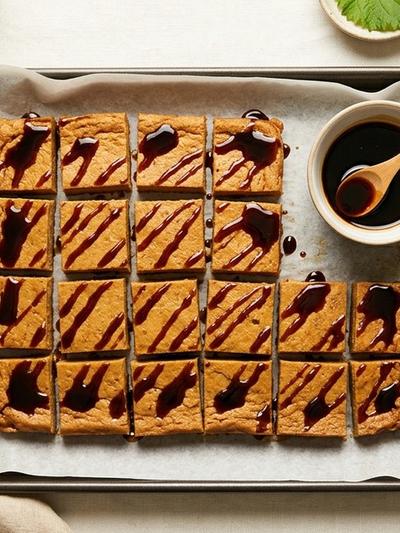
- Let the pan cool on a wire rack for at least 30 minutes. The squares must be fully cool before glazing, or the glaze will melt into the surface instead of setting as a visible drizzle.
- Whisk together the powdered sugar, lime juice, and lime zest until smooth. The consistency should be thick enough to drizzle in a slow ribbon. If it seems too thick, add lime juice a quarter teaspoon at a time.
- Use a fork or a small spoon to drizzle the glaze back and forth across the surface in thin lines. Immediately scatter the crushed peanuts and toasted coconut flakes over the glaze so they stick as it sets.
- Let the glaze set for 5 minutes, then lift the slab out using the parchment overhang. Cut into 8 equal squares with a sharp knife, wiping the blade between cuts for clean edges.
Nutrition per Serving
| Nutrient | Amount (approx.) |
|---|---|
| Calories | ~345 kcal |
| Protein | ~26g |
| Fat | ~14g |
| Carbohydrates | ~28g |
| Fiber | ~4g |
Estimates based on Nasoya extra-firm tofu, generic vanilla pea-rice protein powder (20g protein per 30g scoop), and standard USDA values for all remaining ingredients. Your totals may vary with different protein powder brands.
Practical Notes
Storage and meal prep. Store the squares in an airtight container in the refrigerator for up to 5 days, separated by parchment squares to prevent sticking. They also freeze well — wrap each square individually in plastic wrap, then place all in a freezer bag for up to 2 months. Thaw in the refrigerator overnight or microwave for 20 seconds to take the chill off.
Protein powder matters. Use a vanilla-flavored pea-rice blend for the best texture and taste in these squares. Whey protein works if you are not strictly plant-based, but it tends to bake denser. Avoid collagen peptides here — they will not set properly and the squares will crumble. Whatever you use, check the scoop size: some brands define a scoop as 25g, others as 40g. Target 40 grams of protein from two scoops total.
Nut-free swap. Replace the peanut butter with sunflower seed butter and the crushed peanuts with toasted pepitas. The flavor shifts slightly nuttier and earthier, but the protein content stays nearly identical. Tahini also works in the batter, though it introduces a faint bitterness that pairs better with dark chocolate chips than with the lime glaze.
GLP-1 portion guidance. If you are in your first few weeks on medication and your appetite is very suppressed, cut the slab into 12 smaller pieces instead of 8. Each piece still delivers about 17 grams of protein — meaningful for a snack-sized dessert. Eat slowly and stop when satisfied. These squares are filling despite their size, and the protein will keep you comfortable for hours.
Getting the texture right. The single most important step is pressing the tofu thoroughly. Waterlogged tofu makes the center gummy no matter how long you bake. If your towel is saturated after 5 minutes, swap to a dry one and press another 5 minutes. The batter should not leave a puddle when you spread it in the pan.
Frequently Asked Questions
Can I eat these squares if I experience nausea on GLP-1 medications?
What can I use instead of tofu if I have a soy allergy?
How should I reheat these if I meal-prepped them?
I can only eat a few bites at a time on Wegovy — is this still worth making?
Why do I need to cool the squares completely before adding the glaze?
This article provides general food and nutrition guidance only. It does not constitute medical advice. Always consult your healthcare provider regarding your GLP-1 medication and individual nutritional needs.