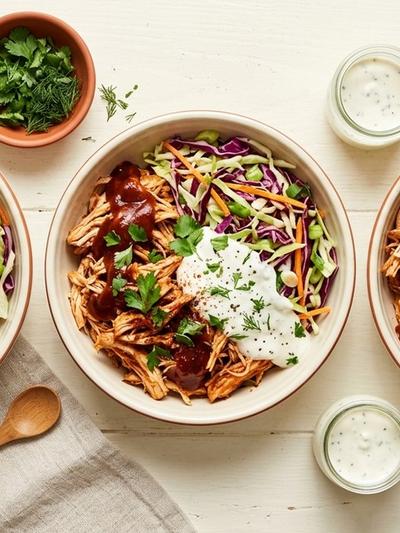
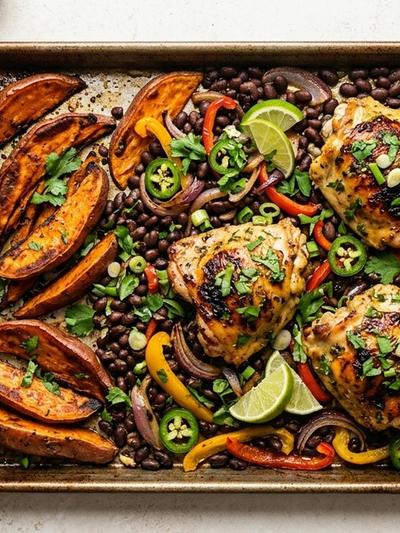
One of the underappreciated risks of GLP-1-assisted weight loss is muscle loss. When total caloric intake drops sharply — as it often does in the first weeks on medications like semaglutide or tirzepatide — the body can draw on lean mass for energy if dietary protein is insufficient. Lunch is a critical opportunity to defend against this. A meal that delivers 38 grams of protein in a manageable, appealing format keeps the day's protein balance on track even when breakfast and dinner are small.
This chicken and avocado rice bowl is designed around that priority. Grilled or poached chicken breast provides the protein base — lean, mild, and versatile. Brown rice supplies sustained carbohydrate energy and a small fiber contribution. Edamame adds secondary plant protein. Avocado rounds the bowl out with monounsaturated fat that slows glucose absorption and contributes to satiety. The tahini-lemon dressing ties everything together with flavor that does not rely on heavy oils or cream.
The bowl format is also practical for meal prep. Cook chicken and brown rice on Sunday, portion into containers, and add fresh avocado, cucumber, and dressing each morning. The assembled bowl keeps for up to 4 days with avocado added just before serving. For days when appetite is minimal, eating half the bowl slowly over 20 minutes still delivers 19 grams of protein — enough to matter.
Why This Works on GLP-1
Brown rice is a better carbohydrate choice for GLP-1 users than white rice or bread. Its higher fiber content slows the conversion to glucose, which aligns with GLP-1's blood-sugar-stabilizing function and avoids the glucose spike-and-drop cycle that can increase hunger signals and energy crashes. Per cup (cooked), brown rice provides about 4 grams of fiber alongside 45 grams of carbohydrate.
Avocado's contribution is multifunctional. The monounsaturated fat content delays gastric emptying slightly (a helpful property in this context — it extends satiety) while delivering potassium, folate, and fat-soluble vitamins. Unlike saturated fats from meat or dairy, monounsaturated fats have not been associated with worsening GLP-1 medications like Mounjaro or Ozempic side effects in the available evidence.
Edamame is one of the few plant foods that qualifies as a complete protein, containing all essential amino acids. Adding ½ cup (85g) to this bowl contributes roughly 9 grams of protein on top of the chicken's contribution, which is why the per-bowl total reaches 38 grams without any protein powder or artificial additions.
Ingredients (serves 2)
For the bowl:
- 2 boneless, skinless chicken breasts (6 oz / 170g each)
- 1 cup (190g) dry brown rice, cooked according to package directions (yields ~2 cups cooked)
- 1 ripe avocado, halved and sliced
- 1 cup (155g) shelled edamame, cooked from frozen
- 1 medium cucumber, sliced into half-moons (about 1 cup / 120g)
For the tahini-lemon dressing:
- 2 tablespoons (30g) tahini
- 2 tablespoons (30ml) fresh lemon juice
- 1 tablespoon (15ml) water, plus more to thin
- 1 clove garlic, finely minced or grated
- Salt to taste
Instructions
Cook the chicken (grill method):
Pat chicken breasts dry and season lightly on both sides with salt and pepper.
Heat a grill pan or outdoor grill to medium-high heat. Brush lightly with olive oil. Place chicken breasts on the grill and cook without moving for 5–6 minutes until grill marks form and the chicken releases naturally from the surface.
Flip and cook another 4–5 minutes until internal temperature reads 165°F / 74°C on an instant-read thermometer. Remove and rest on a cutting board for 5 minutes before slicing.
Cook the chicken (poach method, gentler option):
Place chicken breasts in a single layer in a saucepan. Cover with cold water or low-sodium chicken broth by 1 inch. Add a bay leaf and a few peppercorns if desired.
Bring to a gentle simmer over medium heat — do not boil. Reduce to low and cook for 15–18 minutes until internal temperature reads 165°F / 74°C.
Remove and rest for 5 minutes. Slice or shred as preferred.
Make the dressing:
- Whisk together tahini, lemon juice, garlic, and salt in a small bowl. Add water a tablespoon at a time until the dressing reaches a pourable consistency. It should coat the back of a spoon lightly.
Assemble the bowls:
Cook edamame according to package directions (typically 3–4 minutes in boiling water or 2 minutes in microwave with water). Drain and season with a small pinch of salt.
Divide cooked brown rice between two bowls. Arrange sliced chicken, avocado, cucumber, and edamame alongside the rice in distinct sections.
Drizzle the tahini-lemon dressing over the assembled bowl. Serve at room temperature or slightly warm.
Nutrition per Serving
| Nutrient | Amount (approx.) |
|---|---|
| Calories | ~520 kcal |
| Protein | ~38g |
| Fat | ~16g |
| Carbohydrates | ~52g |
| Fiber | ~9g |
Based on 170g chicken breast, 1 cup cooked brown rice, ½ avocado, ½ cup edamame, and 1 tbsp tahini dressing per serving.
Practical Notes
Add avocado fresh, never pre-assembled. Avocado oxidizes within a few hours of slicing. Meal-prep all components except avocado; slice and add just before eating. A squeeze of lemon juice on cut avocado can slow browning if needed.
Poached chicken reheats more gently. Grilled chicken, when reheated, can become dry and tough — a texture issue for GLP-1 users who already find chewing effortful on low-appetite days. Poached chicken retains moisture well when stored in a small amount of its poaching liquid and reheated gently.
Reduce the rice portion on very low appetite days. The chicken, edamame, and avocado together provide substantial protein and healthy fat. On days when appetite is minimal, eating those components with less or no rice maintains the protein benefit while reducing volume.
Brown rice batch cooking. Cook 2 cups (380g) dry rice at a time. It keeps refrigerated for 5 days or frozen in individual portions for 3 months. This makes the bowl assembly process take under 5 minutes on weekdays.
The dressing doubles as a vegetable dip. Make extra and refrigerate for up to 5 days. Use with raw vegetables as a snack that extends the protein content of the bowl's eating occasion.
Watch serving size on the avocado. Half an avocado per serving is appropriate. A full avocado adds substantial fat and calories that may push total intake higher than intended on a day when overall appetite is already reduced.
Frequently Asked Questions
Can I use white rice instead of brown rice if I find brown rice harder to digest?
I find chicken breast dry and hard to eat on GLP-1 — what can I do?
Can I skip the edamame if I don't have it on hand?
How long does the assembled bowl keep in the refrigerator for meal prep purposes?
Is this bowl appropriate as a post-workout meal on GLP-1?
This article provides general food and nutrition guidance only. It does not constitute medical advice. Always consult your healthcare provider regarding your GLP-1 medication and individual nutritional needs.