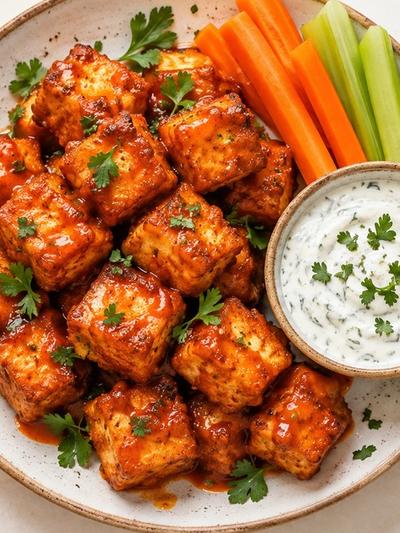
Each serving of these smoky air fryer pork tenderloin bites delivers 36 grams of complete protein from one of the leanest cuts available, paired with a fiber-rich black bean and corn salad that rounds out the meal at just 345 calories. Pork tenderloin contains roughly 22 grams of protein per 100 grams with only 3 grams of fat, making it one of the most efficient protein-to-calorie ratios you can buy at the grocery store. The black beans contribute an additional 7 grams of protein per serving along with 7 grams of fiber, creating a complete amino acid profile without added bulk.
A simple smoked paprika and garlic rub transforms plain tenderloin into something deeply savory with a slight char from the air fryer's concentrated heat. The cool black bean salad underneath — bright with lime juice, sweet corn, diced bell pepper, and fresh cilantro — creates a contrast of warm and cool, smoky and citrusy that keeps every bite interesting. There is a satisfying textural range here: the crisp edges of the pork against creamy black beans and juicy corn kernels.
This recipe is built specifically for smaller GLP-1 appetites. The portion feels generous because the salad adds volume without excessive calories, and the high protein content promotes satiety that lasts well into the afternoon. The entire meal comes together in under 25 minutes with minimal cleanup — the air fryer does the heavy lifting while you toss the salad — making it realistic for a weekday lunch even when energy is low.
Why This Works on GLP-1
Maintaining muscle mass during weight loss is one of the most important nutritional priorities for people taking Mounjaro, Ozempic, or similar GLP-1 medications. With 36 grams of protein per serving, this lunch provides roughly 40–50% of the daily protein target that most dietitians recommend for GLP-1 users (typically 70–100 grams per day depending on body weight). Pork tenderloin is a complete protein containing all essential amino acids, including leucine, which plays a direct role in triggering muscle protein synthesis. Getting this much protein at lunch helps prevent the muscle wasting that can accompany rapid weight loss.
The 7 grams of fiber from black beans supports digestive regularity, which matters because GLP-1 medications slow gastric emptying and can contribute to constipation. Black beans provide soluble fiber that is generally well-tolerated and gentle on the gut — less likely to cause bloating than cruciferous vegetables or very high-fiber grains. The lime juice in the salad also aids iron absorption from the beans.
Pork tenderloin is notably rich in thiamine (vitamin B1), providing roughly 60% of your daily value per serving. Thiamine is essential for converting carbohydrates into energy and supporting nervous system function — particularly relevant during periods of reduced caloric intake. The combination of lean protein, moderate complex carbohydrates, and healthy fiber creates a steady energy release without the blood sugar spikes that can intensify nausea for Wegovy and Zepbound users.
Ingredients (serves 4)
For the pork bites:
- 1¼ lb (565g) pork tenderloin, trimmed of silver skin, cut into 1-inch pieces
- 1 tablespoon olive oil
- 1½ teaspoons smoked paprika
- 1 teaspoon garlic powder
- ½ teaspoon onion powder
- ½ teaspoon ground cumin
- ¼ teaspoon black pepper
- ½ teaspoon salt
For the black bean corn salad:
- 1 can (15 oz / 425g) black beans, drained and rinsed
- 1 cup (155g) sweet corn kernels (frozen and thawed, or fresh off the cob)
- 1 medium red bell pepper, diced small (about ¾ cup / 115g)
- ¼ cup (10g) fresh cilantro, roughly chopped
- 2 tablespoons fresh lime juice (about 1 lime)
- 1 tablespoon olive oil
- ¼ teaspoon salt
- Pinch of cayenne pepper (optional)
For serving:
- Lime wedges
- 2 tablespoons plain nonfat Greek yogurt per bowl (optional)
Instructions
Prepare the pork bites:
- Trim the silver skin from the pork tenderloin — this tough membrane does not break down during cooking and will make the bites chewy. Cut the tenderloin into roughly 1-inch pieces. They do not need to be perfectly uniform, but keeping them similar in size ensures even cooking.
- In a medium bowl, toss the pork pieces with olive oil until evenly coated. Combine the smoked paprika, garlic powder, onion powder, cumin, black pepper, and salt in a small dish, then sprinkle the spice mixture over the pork and toss again until every piece is well seasoned.
- Preheat the air fryer to 400°F (200°C) for 3 minutes. Arrange the pork bites in a single layer in the air fryer basket, leaving small gaps between pieces so hot air can circulate. You may need to cook in two batches depending on your air fryer size — overcrowding leads to steaming rather than crisping.
- Cook for 10–12 minutes, shaking the basket once at the 6-minute mark. The pork is done when the internal temperature reaches 145°F (63°C) and the edges have a light char. Let the bites rest for 3 minutes before serving — this allows the juices to redistribute and keeps the pork tender.
Make the black bean corn salad:
- While the pork cooks, combine the drained black beans, corn kernels, diced red bell pepper, and cilantro in a medium bowl. This salad benefits from room-temperature ingredients, so take the beans and corn out of the refrigerator a few minutes early if possible.
- Drizzle with lime juice and olive oil, then add the salt and cayenne if using. Toss gently to combine — you want the beans to stay intact rather than getting mashed. Taste and adjust the lime and salt to your preference.
Assemble the bowls:
- Divide the black bean corn salad among four bowls or meal prep containers. Arrange the warm pork bites on top of the salad. Serve with lime wedges and a small dollop of Greek yogurt if desired. The warm pork slightly wilts the cilantro and releases the lime fragrance, creating a more cohesive dish.
Nutrition per Serving
| Nutrient | Amount (approx.) |
|---|---|
| Calories | ~345 kcal |
| Protein | ~36g |
| Fat | ~9g |
| Carbohydrates | ~28g |
| Fiber | ~7g |
Estimates based on 1¼ lb pork tenderloin, one 15-oz can black beans, and 1 cup corn divided among 4 servings. Optional Greek yogurt topping adds approximately 10 calories and 2g protein per serving.
Practical Notes
This recipe is built for meal prep. Store the pork bites and black bean salad in separate compartments of a meal prep container. They keep well in the refrigerator for up to 4 days. Reheat only the pork in the microwave for 60–90 seconds, or eat the pork cold over the salad — it works both ways, and the cold version is especially good in warm weather.
Cut pieces smaller if your appetite is limited. During the early weeks of GLP-1 medication when portions feel especially small, cut the tenderloin into ½-inch pieces instead. Smaller bites cook faster (reduce time to 7–8 minutes) and are easier to eat slowly, which helps you gauge fullness more accurately. You can also serve a half portion and save the rest.
Swap the protein if needed. Chicken breast works as a direct substitute — use the same spice rub and cook at the same temperature for 11–13 minutes. Turkey tenderloin is another excellent option. The spice rub and salad are versatile enough to pair with any lean protein.
Add a grain to increase the carbohydrate content. If you need more sustained energy for an active afternoon, serve over ½ cup cooked brown rice or quinoa per bowl. This adds roughly 110 calories, 4 grams of protein, and 2 grams of fiber per serving without changing the preparation difficulty.
Choose your corn wisely. Frozen corn that has been thawed works perfectly and is available year-round. If fresh sweet corn is in season, cut the kernels off two ears — the flavor difference is noticeable. Canned corn works in a pinch but drain and rinse it thoroughly to reduce sodium.
Frequently Asked Questions
Will this recipe cause nausea or digestive discomfort on GLP-1 medication?
Can I make this recipe without an air fryer?
How should I store and reheat leftovers?
What if I can only eat a very small portion right now?
How do I prevent the pork tenderloin from drying out in the air fryer?
This article provides general food and nutrition guidance only. It does not constitute medical advice. Always consult your healthcare provider regarding your GLP-1 medication and individual nutritional needs.