Each serving of this braised scallop and chickpea bowl delivers 34 grams of protein from two complementary sources: sea scallops contributing roughly 20 grams of complete, rapidly digestible protein, and chickpeas adding another 7 grams along with slow-digesting complex carbohydrates. The remaining protein comes from a drizzle of tahini, which also provides calcium, iron, and healthy monounsaturated fats. You get meaningful amounts of B12, selenium, and zinc from the scallops — nutrients that many GLP-1 users fall short on when eating reduced portions.
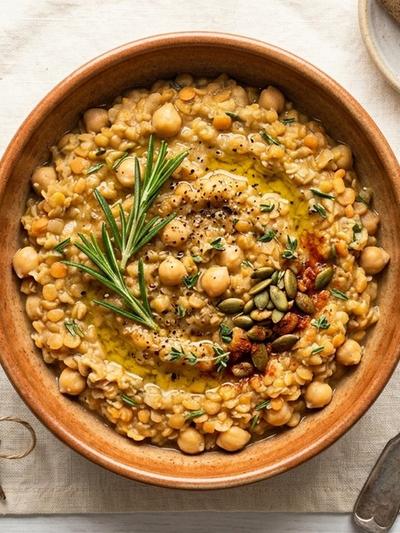
The flavor profile is deeply savory Middle Eastern cooking at its most comforting. Za'atar — that aromatic blend of dried thyme, oregano, sesame, and sumac — infuses the tomato braising liquid with earthy herbaceousness, while a squeeze of lemon at the end lifts everything with bright acidity. The scallops turn silky in the gentle braise, the chickpeas hold their shape with a satisfying bite, and the tahini drizzle ties it all together with nutty richness. This tastes like something from a good Levantine restaurant, not like diet food.
For GLP-1 users who meal prep, this recipe solves a real problem: most batch-cooked seafood reheats poorly. Here, the braising liquid keeps the scallops moist during refrigerated storage, and the chickpea base actually improves as the flavors meld overnight. The portions are compact but nutrient-dense, so even on days when your appetite is minimal on Ozempic or Zepbound, a few bites deliver substantial protein.
Why This Works on GLP-1
Muscle preservation during GLP-1-assisted weight loss depends on hitting adequate protein targets consistently — not just on days when appetite cooperates. At 34 grams per serving, this meal delivers roughly 40–50% of the minimum daily protein most dietitians recommend for people on semaglutide or tirzepatide. The dual protein sources matter: scallop protein is among the fastest-absorbing animal proteins (similar to whey), while chickpea protein digests more slowly, extending the window of amino acid availability to your muscles. This combination supports both immediate post-meal muscle protein synthesis and sustained amino acid delivery over several hours.
The 8 grams of fiber per serving comes primarily from chickpeas, which provide soluble fiber that feeds beneficial gut bacteria without the aggressive insoluble fiber that can cause bloating on GLP-1 medication. This is a meaningful amount — enough to support regularity, which many Mounjaro and Wegovy users struggle with — without overloading a digestive system that is already processing food more slowly.
At 385 calories with only 12 grams of fat, this bowl fits comfortably as the main meal of the day during active weight loss. The fat that is present comes from tahini and olive oil — both sources of oleic acid, a monounsaturated fat associated with improved insulin sensitivity. The dish is also naturally rich in iron from both the chickpeas and scallops, addressing a common concern for people eating reduced volumes on GLP-1 therapy.
Ingredients (serves 4)
For the braising base:
- 2 cans (15 oz / 425g each) chickpeas, drained and rinsed
- 1 can (14.5 oz / 400g) crushed tomatoes
- 1 cup (240ml) low-sodium chicken or vegetable broth
- 3 cloves garlic, minced
- 2 tablespoons (14g) za'atar spice blend
- 1 teaspoon ground cumin
- ½ teaspoon smoked paprika
- 1 tablespoon (15ml) extra-virgin olive oil
- ½ teaspoon fine sea salt
- ¼ teaspoon black pepper
For the scallops:
- 1¼ pounds (570g) dry-packed sea scallops, side muscle removed
- ¼ teaspoon fine sea salt
- ¼ teaspoon black pepper
- 1 tablespoon (15ml) extra-virgin olive oil
For finishing:
- 2 tablespoons (30g) tahini
- 1 tablespoon (15ml) fresh lemon juice
- 2 tablespoons fresh flat-leaf parsley, roughly chopped
- 1 teaspoon sumac (optional, for garnish)
Instructions
Build the braising base:
Heat 1 tablespoon of olive oil in a wide, deep skillet or Dutch oven over medium heat. Add the minced garlic and cook for 30 seconds until fragrant — you want it softened but not browned, as burnt garlic turns bitter and dominates the za'atar.
Add the za'atar, cumin, and smoked paprika to the garlic and stir for 20 seconds. Toasting the spices briefly in the oil blooms their essential oils, which deepens the flavor of the entire braising liquid significantly compared to adding them dry later.
Pour in the crushed tomatoes and broth, then stir in the drained chickpeas, salt, and pepper. Bring to a gentle simmer, then reduce heat to medium-low and cook uncovered for 15 minutes, stirring occasionally. The sauce should reduce slightly and thicken around the chickpeas. Taste and adjust salt — the za'atar and chickpeas absorb quite a bit of seasoning.
Prepare and braise the scallops:
While the base simmers, pat the scallops thoroughly dry with paper towels. This step is critical for the initial sear — wet scallops steam instead of browning, and you want that brief crust for both flavor and texture. Season both sides with salt and pepper.
Push the chickpeas toward the edges of the pan to create space in the center, or if your pan is too crowded, transfer the base to a bowl temporarily. Add 1 tablespoon of olive oil to the center of the pan, increase heat to medium-high, and sear the scallops for 60 seconds per side until lightly golden.
If you removed the base, return it to the pan now, nestling the scallops into the chickpea mixture so they are partially submerged. Reduce heat to low, cover the pan, and braise for 4 to 5 minutes until the scallops are just opaque throughout. They should feel slightly firm when pressed but still yield — overcooked scallops turn rubbery, which is both unpleasant and harder to digest.
Finish and portion for meal prep:
Remove the pan from heat. Squeeze the lemon juice over everything and gently stir the sauce — the acid brightens the entire dish and balances the earthy za'atar. Let the mixture cool in the pan for 10 minutes before portioning.
Divide the chickpea base evenly among four meal prep containers. Place the scallops on top of the chickpeas rather than buried within them — this prevents them from overcooking when reheated. Drizzle each container with about half a tablespoon of tahini, then sprinkle with parsley and sumac.
Nutrition per Serving
| Nutrient | Amount (approx.) |
|---|---|
| Calories | ~385 kcal |
| Protein | ~34g |
| Fat | ~12g |
| Carbohydrates | ~32g |
| Fiber | ~8g |
Estimates based on 1¼ pounds dry-packed sea scallops, two 15-ounce cans of chickpeas, and 2 tablespoons total tahini divided across four servings.
Practical Notes
Reheat gently to protect the scallops. Microwave at 50% power for 90 seconds, stir the chickpeas around the scallops, then continue at 50% for another 60 seconds. The braising liquid keeps the scallops from drying out, but full-power microwaving will still toughen them. Alternatively, reheat in a covered skillet over low heat for 4 to 5 minutes — this method produces the best texture.
These containers store well for up to four days. Refrigerate within two hours of cooking. The braised chickpea base actually tastes better on days two and three as the za'atar and tomato flavors continue to meld. The scallops hold up surprisingly well in the sauce compared to dry-cooked seafood, which is why braising is the ideal cooking method for meal-prepped shellfish.
Frozen scallops work if fresh are unavailable. Thaw them overnight in the refrigerator on a paper towel-lined plate, then pat dry before searing. Avoid thawing in water, which waterloogs them and prevents browning. Frozen scallops are often flash-frozen at sea and can actually be fresher than "fresh" counter scallops that have been sitting for days.
If your appetite is very small on Zepbound or Wegovy, eat half portions. A half serving still provides 17 grams of protein and 4 grams of fiber — a respectable amount for a light meal. Store the other half for the next day. The chickpea base is filling enough that even a few spoonfuls with one or two scallops feels like a complete meal rather than a snack.
Swap the scallops for shrimp if preferred. Use 1¼ pounds of peeled, deveined large shrimp (21–25 count) and reduce the braising time to 2 to 3 minutes. The protein content will be nearly identical. You can also use firm white fish like cod or halibut cut into 1-inch pieces, braising for 5 to 6 minutes. The chickpea-za'atar base is versatile enough to carry any lean protein.
Frequently Asked Questions
Will the scallops get rubbery after being stored in the fridge for meal prep?
Can I make this without chickpeas for a lower-carb version?
How should I handle this recipe during the first weeks on GLP-1 medication when nausea is common?
I only want to prep two servings instead of four — how do I scale down?
Where can I find za'atar, and does the brand matter?
This article provides general food and nutrition guidance only. It does not constitute medical advice. Always consult your healthcare provider regarding your GLP-1 medication and individual nutritional needs.