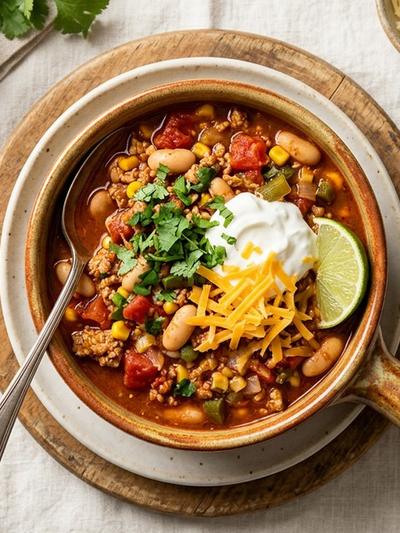
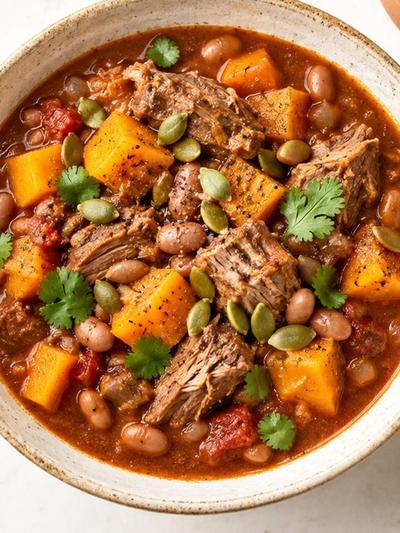
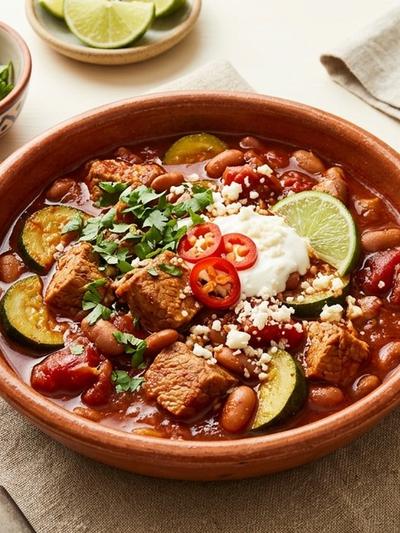
Soup occupies a unique position in GLP-1 nutrition because it is simultaneously liquid and protein-dense — a combination that is difficult to achieve in most other formats. For people on GLP-1 medications who experience reduced appetite, nausea, or discomfort with solid food, a bowl of substantive broth-based soup can deliver meaningful nutrition with less physiological resistance than a plate of solid food. The stomach handles warm liquid more easily when gastric motility is already altered by medication.
This beef and vegetable soup uses lean beef — specifically stew beef trimmed of excess fat, or top round cut into cubes — simmered in a rich beef broth with barley, carrots, celery, and tomatoes. The barley contributes beta-glucan, a soluble fiber with documented cholesterol-lowering and blood glucose-stabilizing properties, making it particularly valuable for GLP-1 users managing diabetes or metabolic syndrome alongside weight loss.
The recipe makes a large batch by design. Six to eight portions, frozen individually in containers or zip-lock bags, means you always have a high-protein, fiber-rich meal available within five minutes of opening a freezer. This is not incidental — for GLP-1 users whose appetite windows are unpredictable, having cooked food immediately available prevents the scenario where hunger arrives briefly and there is nothing suitable to eat.
Why This Works on GLP-1
Liquid-based meals are gentler on the stomach than solid food when gastric emptying is slowed. A bowl of soup occupies the stomach without the prolonged retention that dense solid meals can cause on GLP-1 medications like Wegovy or Mounjaro, reducing the risk of the uncomfortable fullness that some users experience after eating compact, high-density foods.
Lean beef provides complete protein — all nine essential amino acids — and is a particularly efficient source of zinc, iron, and B12, nutrients that can become marginally deficient when overall caloric intake is significantly reduced. The iron content of beef (heme iron) is more bioavailable than the non-heme iron in plant sources, which is relevant for GLP-1 users who may be eating less total food and risk nutritional gaps.
Barley's beta-glucan slows glucose absorption from the meal, flattening the postprandial glucose curve — a mechanism directly complementary to GLP-1's own effects on glycemic control. The combination produces a more stable glucose response than a soup made with pasta or white rice would.
Ingredients (serves 6–8)
Protein
- 600g / 1.3 lb lean stew beef (top round, chuck, or beef shin), cut into 2cm (0.75-inch) cubes
Vegetables
- 4 medium carrots (about 400g / 14 oz), peeled and sliced into rounds
- 4 stalks celery (about 200g / 7 oz), sliced
- 2 medium yellow onions (about 300g / 10.5 oz), diced
- 1 can (400g / 14 oz) diced tomatoes
- 3 garlic cloves, minced
- 200g / 7 oz green beans, trimmed and cut into 3cm (1.2-inch) pieces (fresh or frozen)
Grain
- 120g / 4 oz pearl barley (about 2/3 cup dry)
Liquid and Seasoning
- 1.5 liters / 6 cups low-sodium beef broth
- 500ml / 2 cups water
- 1 tablespoon (15ml) olive oil
- 1 teaspoon dried thyme
- 1 teaspoon dried rosemary
- 1 bay leaf
- 1 teaspoon fine sea salt (adjust based on broth saltiness)
- 1/2 teaspoon black pepper
- 1 tablespoon (15ml) Worcestershire sauce
Instructions
Pat the beef cubes dry with paper towels. Season lightly with salt and pepper.
Heat the olive oil in a large, heavy-bottomed pot or Dutch oven over medium-high heat. Brown the beef in two batches — do not crowd the pot — for 2–3 minutes per side until a dark crust forms on most surfaces. Remove and set aside. Browning is important for flavor development; do not skip this step.
Reduce heat to medium. Add the onion and celery to the same pot. Cook for 5–6 minutes until softened. Add the garlic and cook for 1 minute more.
Return the beef to the pot. Add the broth, water, diced tomatoes, Worcestershire sauce, thyme, rosemary, and bay leaf. Stir to combine and bring to a boil.
Once boiling, reduce to a low simmer. Add the barley. Cover partially (lid slightly ajar) and simmer for 30 minutes.
Add the carrots and continue simmering for 15 minutes more until the carrots are tender and the barley is fully cooked (swollen and soft with a slight chew).
Add the green beans and simmer for a final 5 minutes until just cooked through. Remove the bay leaf.
Taste and adjust seasoning. The soup will thicken as the barley continues to absorb liquid; if it becomes very thick upon cooling, thin with a small amount of water or additional broth when reheating.
Nutrition per Serving (based on 7 servings)
| Nutrient | Approximate Value |
|---|---|
| Calories | 310 kcal |
| Protein | 32g |
| Fat | 9g |
| Carbohydrates | 26g |
| Fiber | 10g |
Values are approximate and depend on exact beef cut and trim level.
Practical Notes
Brown the beef, do not steam it. Crowding the pot causes the beef to steam rather than sear, resulting in grey rather than browned meat and significantly less depth of flavor. Use a wide pot and work in two batches; the extra five minutes is worth it.
Freeze in single-serving portions. Allow the soup to cool completely (at least 1 hour) before transferring to individual containers or zip-lock bags. Lay bags flat in the freezer for compact storage. The soup freezes well for up to 3 months with no significant loss of quality.
Reheat on the stovetop for best texture. Microwaving soup can heat unevenly. Reheat in a small saucepan over medium-low heat, stirring occasionally, until fully hot. Add a splash of water if the barley has absorbed the broth during storage.
The soup thickens significantly in the refrigerator. After overnight refrigeration, the barley continues to absorb liquid and the soup may become stew-like. This is fine — add water when reheating to reach your preferred consistency.
Barley can be replaced if tolerated poorly. For GLP-1 users who find barley too filling or difficult to digest, replace with 150g / 5 oz of dried lentils (red lentils dissolve into the broth, thickening it naturally) or omit entirely for a lower-carbohydrate, broth-focused soup.
Use the broth to carry salt. If your appetite is very low, sometimes the broth component of a soup is the most you can manage. A cup of the broth alone still carries significant protein from the beef, collagen from the long simmer, and electrolytes — useful on low-appetite days.
Frequently Asked Questions
Can I make this soup in a slow cooker instead of on the stovetop?
I can only manage a small amount of food — is eating just the broth worthwhile?
Can I replace the barley with something else if it causes digestive discomfort?
How do I store individual portions efficiently for the week?
Is lean beef a good protein choice for GLP-1 users who are also managing iron-deficiency?
This article provides general food and nutrition guidance only. It does not constitute medical advice. Always consult your healthcare provider regarding your GLP-1 medication and individual nutritional needs.