 By Gerald
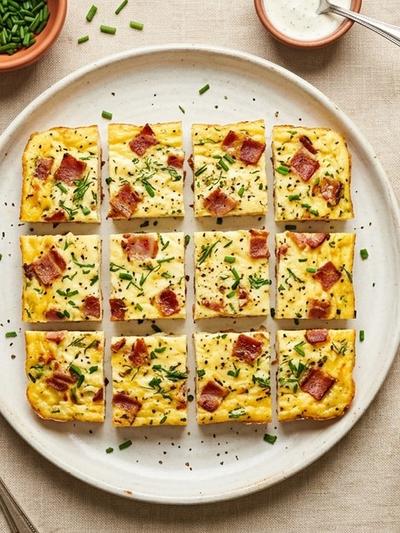
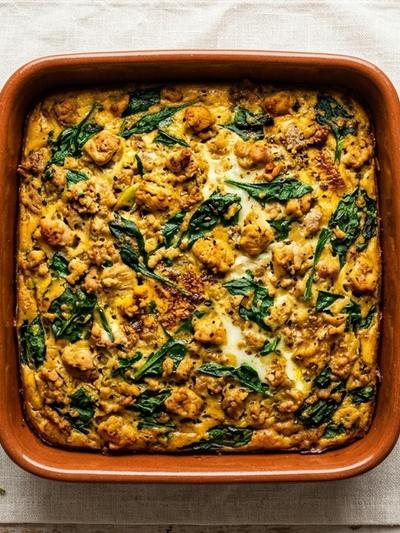
Each generous slice of this crustless quiche delivers 31 grams of protein from a combination of lean ground turkey, whole eggs, and sharp cheddar, all for roughly 315 calories. The custard base supplies complete amino acids and B vitamins, while the turkey adds iron and selenium without the saturated fat load of pork sausage. Mushrooms contribute potassium and a modest dose of vitamin D, and spinach rounds out the plate with folate and vitamin K. This is a breakfast that earns its nutrition label.
Skipping the pastry crust does more than cut calories — it lets the filling flavors come forward. Earthy cremini mushrooms concentrate as they bake, sharp cheddar melts through the custard in salty pockets, and a pinch of nutmeg lifts the spinach the way it does in a classic French filling. The turkey crumbles hold a gentle smokiness from paprika and dried thyme, giving the quiche a savory depth that makes you forget nothing is missing.
For anyone on GLP-1 medication, this format solves two common breakfast problems at once. A single wedge is substantial enough to feel like a real meal without overwhelming a smaller appetite, and the high protein-to-volume ratio means you get meaningful nutrition even when you can only manage a few bites. Make it on Sunday and you have four mornings handled.
Why This Works on GLP-1
Muscle preservation is one of the most important nutritional goals during GLP-1-assisted weight loss. Studies consistently show that adequate protein intake — at least 25 to 30 grams per meal — helps protect lean mass while the medication supports fat loss. Each serving of this quiche delivers 31 grams, putting you well above that threshold before you have even left the kitchen. Whether you take Ozempic, Wegovy, or another GLP-1 agonist, front-loading protein at breakfast sets a strong foundation for the rest of the day.
The egg-and-milk custard base is naturally easy on the stomach. Eggs are one of the most digestible protein sources available, and the soft, set texture of a baked quiche requires minimal mechanical breakdown — a real advantage when GLP-1 medications slow gastric emptying. There is no tough crust to negotiate and no heavy cream weighing down the filling.
Because the quiche slices and reheats so well, it also sidesteps the morning decision fatigue that leads many GLP-1 users to skip breakfast entirely. Having a high-protein option ready in the refrigerator lowers the barrier to eating, which matters when appetite signals are muted. Consistent, smaller meals help maintain energy and blood sugar stability throughout the morning.
Ingredients (serves )
For the filling:
- 12 oz (340g) lean ground turkey (93% lean)
- 6 large eggs
- ½ cup (120ml) low-fat milk
- ⅓ cup (40g) shredded sharp cheddar cheese
- 8 oz (225g) cremini mushrooms, sliced
- 4 cups (120g) fresh baby spinach
- ⅓ cup (50g) diced yellow onion
- 2 cloves garlic, minced
- ½ tsp dried thyme
- ¼ tsp smoked paprika
- ¼ tsp ground nutmeg
- ½ tsp salt
- ¼ tsp black pepper
- Cooking spray
Instructions
Amounts in the method are for 4 servings.
Preheat and prepare the dish:
- Set the oven to 375 °F (190 °C) and position a rack in the center. Coat a 9-inch (23 cm) pie dish or round baking dish with cooking spray. A properly greased dish ensures clean slices and easy release — skip this step and the egg custard will grip the sides.
Cook the turkey and vegetables:
Heat a large non-stick skillet over medium-high heat. Add the ground turkey and break it into small crumbles with a wooden spoon. Season with the thyme, smoked paprika, salt, and pepper. Cook for 5 to 6 minutes, stirring occasionally, until no pink remains. Transfer the turkey to a plate and set aside.
Return the skillet to medium heat. Add the sliced mushrooms and diced onion. Cook without stirring for 2 minutes to let the mushrooms brown on one side, then stir and cook for another 3 minutes until the moisture has evaporated and the mushrooms are golden. Browning rather than steaming the mushrooms concentrates their flavor and prevents a watery quiche.
Add the garlic and stir for 30 seconds until fragrant. Add the baby spinach in handfuls, letting each batch wilt before adding the next. This takes about 1 minute. Remove from heat.
Assemble and bake:
In a mixing bowl, whisk the eggs, milk, and nutmeg until smooth and evenly combined. The nutmeg is subtle — it complements the spinach and cheese without tasting like a dessert spice.
Spread the cooked turkey evenly in the prepared pie dish. Layer the mushroom-spinach mixture on top. Pour the egg custard over the filling, using a fork to nudge the vegetables so the liquid settles into every gap. Scatter the shredded cheddar across the surface.
Bake for 25 to 30 minutes until the center is set and the top is lightly golden. A slight jiggle in the very center is fine — it will firm up as it cools. If the edges brown too quickly, tent loosely with foil for the last 5 minutes.
Let the quiche rest on a wire rack for at least 10 minutes before slicing. Cutting too early releases steam that belongs in the custard, leaving you with a runny slice instead of a clean wedge.
Nutrition per Serving
| Nutrient | Amount (approx.) |
|---|---|
| Calories | ~315 kcal |
| Protein | ~31g |
| Fat | ~18g |
| Carbohydrates | ~7g |
| Fiber | ~2g |
Calculated from USDA data for 93% lean ground turkey, large eggs, low-fat milk, sharp cheddar, cremini mushrooms, and baby spinach. Actual values vary with specific brands and exact portion sizes.
Practical Notes
Make it on Sunday, eat it all week. This quiche keeps well in the refrigerator for up to four days. Wrap individual slices in plastic wrap or store in airtight containers. Reheat in a 300 °F (150 °C) oven for 10 minutes or in the microwave for 60 to 90 seconds. The oven method preserves a better texture, but the microwave is perfectly fine for a weekday morning.
Use a proper pie dish, not a casserole pan. A 9-inch round dish gives the quiche enough depth for a satisfying slice. A wider, shallower pan spreads the custard too thin and overcooks the eggs. If you only have an 8-inch dish, expect a slightly thicker quiche that needs 5 extra minutes of bake time.
Swap the cheese to change the character. Gruyère or Swiss give a more classic quiche flavor with a nuttier finish. Pepper jack adds a mild kick. Goat cheese crumbled on top instead of cheddar creates a tangier, lighter result. Keep the total amount at about 40 grams to hold the calorie line.
Start small if your appetite is low. In the first weeks on GLP-1 medication, a full quarter of this quiche may feel like too much. Cut it into six or even eight slices instead, and pair a smaller wedge with a handful of berries or a few cucumber slices. You still get meaningful protein per bite, and you can always have another slice later in the morning.
Squeeze the spinach if it looks wet. Baby spinach releases water as it wilts. If the leaves seem particularly juicy after step 4, press them gently against the side of the skillet with a spatula to drain excess liquid before adding to the pie dish. A soggy filling makes a soggy quiche.
Frequently Asked Questions
Can I eat this quiche if I just started taking GLP-1 medication?
Can I make this egg-free or with egg whites only?
How should I store and reheat leftover slices?
What if I can only eat very small amounts in the morning?
Can I use turkey breast instead of ground turkey?
This article provides general food and nutrition guidance only. It does not constitute medical advice. Always consult your healthcare provider regarding your GLP-1 medication and individual nutritional needs.