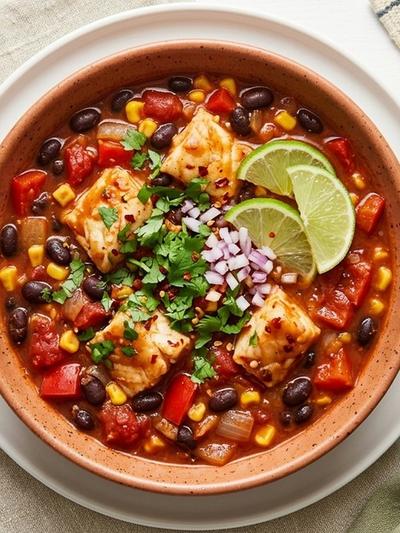
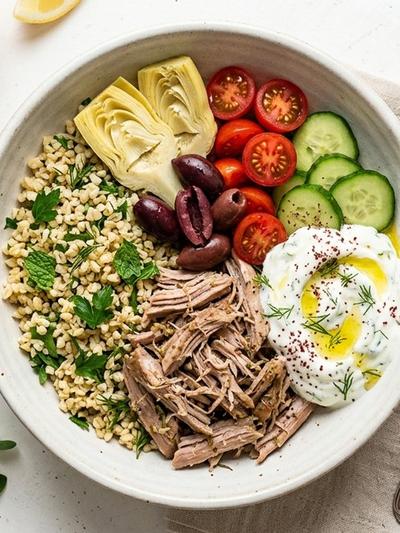
Each bowl of this cochinita pibil delivers 41 grams of protein and just 345 calories, built almost entirely from lean pork tenderloin and fiber-rich black beans. The achiote-citrus braising liquid provides iron, vitamin C, and a deep earthy sweetness without adding significant fat. Pork tenderloin is one of the leanest cuts available, comparable to skinless chicken breast in its protein-to-fat ratio, and slow cooking transforms it into fork-tender shreds that absorb every ounce of flavor.
Cochinita pibil is the signature slow-roasted pork of Mexico's Yucatán Peninsula, where achiote paste, bitter orange, and garlic create a marinade that is simultaneously tangy, smoky, and faintly sweet. The achiote gives the meat a vivid reddish-orange color and a subtle nuttiness that pairs beautifully with fresh cilantro and pickled red onion. This version keeps every layer of that complexity while using a slow cooker to do the heavy lifting, so you come home to a bowl that tastes like it took all day to build — because it did.
For GLP-1 users, the slow cooker format is particularly practical. You invest fifteen minutes in the morning and return to a meal that reheats beautifully all week, which matters on days when appetite is unpredictable. The tender, shredded texture is easy to eat in small portions without feeling like you are picking at leftovers, and the bright pickled onion and citrus notes keep each bite interesting enough that a modest bowl feels complete.
Why This Works on GLP-1
Each serving provides 41 grams of high-quality animal protein, which is critical for preserving lean muscle mass during GLP-1-assisted weight loss. Medications like Ozempic and Mounjaro significantly reduce caloric intake, and without adequate protein — most research suggests 1.2 to 1.6 grams per kilogram of body weight daily — the body can break down muscle alongside fat. A single bowl of this cochinita pibil covers roughly a third of a 150-pound person's daily protein target, making it one of the most efficient lunches you can build.
The 9 grams of fiber per serving come primarily from black beans, which provide a slow-digesting carbohydrate source that helps stabilize blood sugar between meals. Because GLP-1 medications already slow gastric emptying, the recipe avoids very high-fiber additions like raw cruciferous vegetables in large quantities — the cauliflower rice is cooked and gentle, and the beans are well-softened.
The citrus-based braising liquid serves a practical digestive purpose beyond flavor. The acidity from orange and lime juice helps break down proteins during the long cook, creating a tender texture that requires minimal chewing and sits comfortably even when appetite is low. At just 5 grams of fat per serving, this bowl avoids the heaviness that high-fat meals can cause alongside GLP-1 medications.
Ingredients (serves 4)
For the cochinita pibil:
- 1¼ lb (570g) pork tenderloin, trimmed of silverskin
- 2 tablespoons (30g) achiote paste
- ½ cup (120ml) fresh orange juice (about 2 oranges)
- 3 tablespoons (45ml) fresh lime juice (about 2 limes)
- 4 cloves garlic, minced
- 1 teaspoon ground cumin
- 1 teaspoon dried Mexican oregano
- ½ teaspoon fine sea salt
- ¼ teaspoon black pepper
For the pickled red onion:
- 1 medium red onion, thinly sliced into half-moons
- ¼ cup (60ml) apple cider vinegar
- ¼ cup (60ml) warm water
- 1 teaspoon granulated sugar
- ¼ teaspoon fine sea salt
For the bowls:
- 1 can (15 oz / 425g) black beans, drained and rinsed
- 4 cups (400g) riced cauliflower, fresh or frozen
- 2 tablespoons (30g) plain nonfat Greek yogurt
- ¼ cup (10g) fresh cilantro leaves, roughly chopped
- Lime wedges, for serving
Instructions
Prepare the pickled onion (do this first — it improves with time):
- Combine the sliced red onion, apple cider vinegar, warm water, sugar, and salt in a jar or bowl. Toss to coat, then press the onions down so they are mostly submerged. Set aside at room temperature while you prepare everything else. The longer they sit, the better — they will be ready by the time the pork finishes, and they keep for up to a week in the refrigerator.
Build the slow cooker:
Crumble the achiote paste into a small bowl. Add the orange juice and lime juice, then whisk or mash with a fork until the paste dissolves into a smooth, rust-colored liquid. Achiote paste can be stubborn — a few small lumps are fine, as they will break down during cooking.
Stir in the minced garlic, cumin, oregano, salt, and pepper. This concentrated marinade is the soul of the dish, so taste it — it should be tangy, earthy, and slightly bitter from the annatto seeds in the achiote.
Place the pork tenderloin in the slow cooker. If it is too long to lie flat, cut it in half crosswise. Pour the achiote-citrus mixture over the pork, turning it once to coat both sides.
Cover and cook on low for 6 hours, or on high for 3 hours. The pork is done when it shreds easily with two forks and the internal temperature reads at least 145°F (63°C). Pork tenderloin is lean, so resist the urge to cook beyond 6 hours on low — it can dry out.
Shred and finish:
Transfer the pork to a cutting board. Using two forks, shred it into bite-sized pieces. It should pull apart with almost no resistance.
Return the shredded pork to the slow cooker and toss it in the braising liquid. Add the drained black beans directly to the slow cooker, stir gently, and set to warm for 10 minutes so the beans heat through and absorb some of the achiote sauce.
Prepare the cauliflower rice:
- While the beans warm, cook the riced cauliflower in a large skillet over medium heat for 4 to 5 minutes, stirring occasionally, until tender and any excess moisture has evaporated. Season with a pinch of salt. If using frozen cauliflower rice, no need to thaw first — it will release water as it cooks, so give it an extra minute or two.
Assemble the bowls:
- Divide the cauliflower rice among four bowls. Spoon the pork and black bean mixture over the top, drizzling some of the braising liquid from the slow cooker over each portion. Top with drained pickled red onion, a dollop of Greek yogurt, and fresh cilantro. Serve with lime wedges for squeezing over the top.
Nutrition per Serving
| Nutrient | Amount (approx.) |
|---|---|
| Calories | ~345 kcal |
| Protein | ~41g |
| Fat | ~5g |
| Carbohydrates | ~33g |
| Fiber | ~9g |
Estimates based on pork tenderloin (trimmed), canned black beans (drained), riced cauliflower, fresh citrus juice, achiote paste, and nonfat Greek yogurt.
Practical Notes
Meal prep storage. This is one of the best meal prep recipes in the slow cooker rotation. Store the shredded pork and beans together in one container and the cauliflower rice separately — the rice gets soggy if stored in the braising liquid. Keeps refrigerated for 4 days. Reheat the pork and beans in the microwave for 90 seconds, then spoon over freshly warmed cauliflower rice. Pack the pickled onion in a small separate container to keep it crisp.
Finding achiote paste. Look for small boxes or bricks of achiote paste (sometimes labeled "recado rojo") in the Latin American aisle of most supermarkets. El Yucateco and La Anita are common brands. It keeps almost indefinitely in the refrigerator once opened. Do not substitute annatto powder one-for-one — the paste already contains garlic, vinegar, and spices. If you truly cannot find it, combine 1 tablespoon annatto powder with 1 teaspoon vinegar and an extra clove of garlic, though the flavor will not be quite as complex.
Swap the base. Cauliflower rice keeps the carbohydrates low, but if you want a heartier bowl, substitute ½ cup cooked brown rice or quinoa per serving. This adds roughly 110 calories and 22 grams of carbohydrates but also brings extra B vitamins and another gram of fiber. For an even lighter option, serve the pork in butter lettuce cups instead — the crunch contrasts beautifully with the tender shredded meat.
Small-appetite strategy. On days when a full bowl feels like too much, portion a half serving of the pork and beans over a handful of greens with a squeeze of lime for a taco-salad approach. The achiote sauce doubles as a dressing. You still get roughly 20 grams of protein from the half portion, which is meaningful even in a reduced-appetite meal.
Traditional heat, GLP-1-friendly. Authentic cochinita pibil includes habanero, but this version omits it to keep the dish gentle on digestion. If you tolerate moderate spice well, add half a habanero (seeded and minced) to the braising liquid before cooking. The slow, low heat tames the habanero's burn into a fruity warmth rather than sharp heat.
Frequently Asked Questions
Can I eat this during the first few weeks on GLP-1 medication when my appetite is very low?
Can I use pork shoulder or pork loin instead of tenderloin?
How long does the shredded pork keep, and can I freeze it?
What if I only want to eat a very small amount — is it still nutritionally worthwhile?
Can I use the slow cooker high setting to speed this up?
This article provides general food and nutrition guidance only. It does not constitute medical advice. Always consult your healthcare provider regarding your GLP-1 medication and individual nutritional needs.