Every half-cup serving of this buffalo chicken dip delivers 28 grams of protein from three distinct sources: slow-cooked chicken breast, nonfat Greek yogurt, and cannellini beans. At just 215 calories per portion, it hits a ratio that most store-bought dips cannot touch — roughly 52 percent of its calories come from protein alone. The beans contribute both body and a moderate dose of fiber, while reduced-fat sharp cheddar provides flavor depth without pushing the fat count past single digits.
The slow cooker does the heavy lifting here. Three hours on low heat turns lean chicken breast impossibly tender and saturates it with tangy buffalo sauce from the inside out. Once shredded, the meat folds into a warm base of mashed white beans, cool Greek yogurt, and melted cheddar — creating a dip that is simultaneously creamy, slightly spicy, and deeply savory. A finish of smoked paprika and sliced green onions rounds out a flavor profile that tastes indulgent while remaining remarkably lean.
For GLP-1 users, this recipe solves a common problem: finding snacks with real protein density that do not overwhelm a smaller appetite. A half-cup portion is satisfying without being heavy, and the warm, soft texture is gentle on a digestive system slowed by medication. Making a full batch in the slow cooker means four days of grab-and-go snacking with nothing more than a quick reheat.
Why This Works on GLP-1
Preserving lean muscle mass is one of the most important nutritional priorities during GLP-1-assisted weight loss. Research consistently shows that adequate protein intake — spread across meals and snacks throughout the day — helps protect muscle tissue even as body fat decreases. With 28 grams of protein per serving, this dip provides a meaningful contribution to daily protein targets without the caloric load of a full meal. For anyone on Mounjaro or a similar tirzepatide medication, having a high-protein snack on hand can make the difference between hitting 100 grams of daily protein and falling short.
The cannellini beans serve a dual purpose. They add 3 grams of fiber per serving, which supports steady blood sugar response, and their starch content creates a naturally thick, creamy texture that replaces the heavy cream cheese found in traditional buffalo chicken dip. This swap cuts saturated fat significantly while keeping the mouthfeel rich. The warm, soft consistency of the finished dip is also easier to digest than raw vegetables or crunchy snack foods, which matters when gastric emptying is already slowed by medication.
Greek yogurt adds probiotics and additional protein without the heaviness of sour cream. The nonfat variety keeps the overall fat content low while providing calcium — a nutrient worth paying attention to during periods of caloric restriction. Combined with the complete amino acid profile from the chicken breast, this dip offers a nutritionally dense snack that supports both satiety and recovery between meals.
Ingredients (serves 4)
For the slow cooker base:
- 12 oz (340g) boneless, skinless chicken breast
- 1/3 cup (80ml) buffalo-style hot sauce, such as Frank's RedHot
- 1/2 cup (120ml) low-sodium chicken broth
- 1 teaspoon garlic powder
- 1 teaspoon onion powder
- 1/2 teaspoon smoked paprika
- 1/4 teaspoon celery salt
For finishing the dip:
- 1 can (15 oz / 425g) cannellini beans, drained and rinsed
- 3/4 cup (175g) plain nonfat Greek yogurt
- 2 oz (55g) reduced-fat sharp cheddar cheese, shredded
- Freshly ground black pepper to taste
For serving:
- 2 green onions, thinly sliced
- Celery sticks, carrot sticks, and bell pepper strips
Instructions
Prepare the slow cooker chicken:
Place the chicken breasts in the bottom of a slow cooker in a single layer. Pour the buffalo hot sauce and chicken broth over the top. The liquid should come about halfway up the chicken — this keeps the breast moist during the long cook without diluting the flavor.
Sprinkle the garlic powder, onion powder, smoked paprika, and celery salt evenly over the chicken. There is no need to stir or flip. These seasonings will bloom in the low heat and permeate the meat as it cooks.
Cover and cook on low for 3 hours, or until the chicken shreds easily with two forks. The internal temperature should reach at least 165°F (74°C). Avoid cooking on high — low heat produces a more tender, shreddable texture that makes the dip smooth rather than stringy.
Shred and build the dip:
Transfer the cooked chicken to a cutting board, leaving the cooking liquid in the slow cooker. Use two forks to shred the meat into fine, even pieces. Finer shreds distribute more evenly throughout the dip and create a better texture for scooping.
While the chicken rests, add the drained cannellini beans to the warm cooking liquid in the slow cooker. Use a potato masher or the back of a fork to mash roughly two-thirds of the beans, leaving some pieces intact for texture. The mashed beans will thicken the dip and replace the cream cheese found in traditional versions.
Return the shredded chicken to the slow cooker. Add the shredded cheddar and stir everything together until the cheese melts into the warm mixture. The residual heat from the slow cooker is enough to melt the cheddar — no additional cooking is needed.
Turn off the slow cooker. Fold in the Greek yogurt gently, stirring just until combined. Adding the yogurt off-heat preserves its probiotics and prevents it from separating or becoming grainy. Season with freshly ground black pepper to taste.
Serve or store:
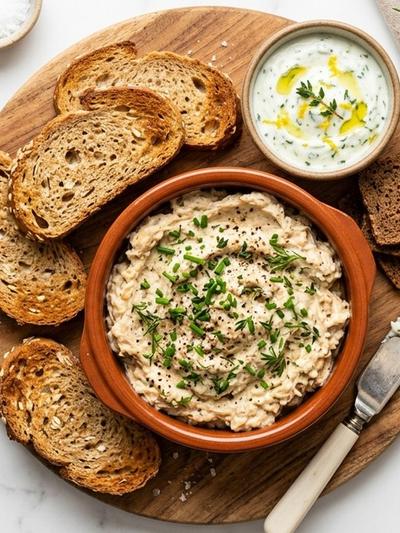
- Transfer the dip to a serving bowl and top with sliced green onions. Serve warm alongside celery sticks, carrot sticks, and bell pepper strips for dipping. Each serving is roughly 1/2 cup (about 130g) of dip.
Nutrition per Serving
| Nutrient | Amount (approx.) |
|---|---|
| Calories | ~215 kcal |
| Protein | ~28g |
| Fat | ~5g |
| Carbohydrates | ~13g |
| Fiber | ~3g |
Estimates based on 12 oz raw boneless skinless chicken breast, one 15-oz can cannellini beans, 3/4 cup nonfat Greek yogurt, 2 oz reduced-fat sharp cheddar, and standard buffalo hot sauce. Vegetable dippers not included.
Practical Notes
Meal prep storage. This dip keeps well in airtight containers in the refrigerator for up to 4 days. Portion it into individual containers immediately after making for grab-and-go convenience. Reheat gently in the microwave for 45–60 seconds, stirring halfway through. Add a splash of water or broth if it thickens too much during storage.
Control the heat level. Buffalo-style hot sauce like Frank's RedHot is tangy but only moderately spicy — most GLP-1 users tolerate it well. If you are in the early weeks of medication and experiencing more digestive sensitivity, start with 3 tablespoons of hot sauce instead of the full 1/3 cup. You can always stir in more after tasting. Avoid cayenne-heavy sauces, which can irritate an already-sensitive stomach.
Swap the beans. Cannellini beans work best for their mild flavor and creamy texture, but great northern beans or butter beans are equally good substitutes. Chickpeas will also work, though they produce a slightly grainier texture. Avoid kidney beans — their stronger flavor competes with the buffalo sauce.
Small appetite strategy. If a full half-cup serving feels like too much in one sitting, split each portion in half and pair it with just a few celery sticks. Two tablespoons of this dip on a celery stick functions almost like a protein-rich canapé — satisfying without the volume commitment. Many Wegovy and Zepbound users find this grazing approach works better than sitting down to a designated snack.
Make it a dinner. To convert this into a light meal, spoon the warm dip over a bed of mixed greens or into a small whole-wheat tortilla wrap with shredded lettuce and diced tomato. This adds volume and fiber without significantly changing the protein-to-calorie ratio.
Frequently Asked Questions
Is buffalo sauce too spicy for people on GLP-1 medications?
Can I use chicken thighs instead of chicken breast?
How long does this dip last, and can I freeze it?
What if I can only eat a very small amount on my current GLP-1 dose?
Do I need to cook this on low, or can I use the high setting?
This article provides general food and nutrition guidance only. It does not constitute medical advice. Always consult your healthcare provider regarding your GLP-1 medication and individual nutritional needs.