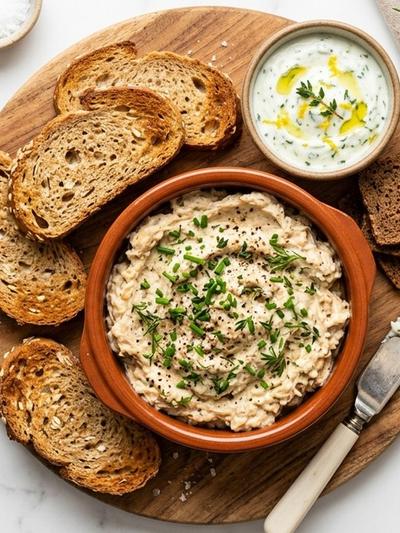
Each snack-sized serving of these Austrian-inspired beef bites delivers 27 grams of lean protein from slow-braised sirloin — enough to meaningfully support muscle preservation between meals. The gentle slow cooker braise renders even the leanest cuts fork-tender, while root vegetables infuse the meat with a subtle sweetness that makes this feel far more indulgent than its 195 calories suggest.
Tafelspitz is one of Austria's most celebrated dishes: beef simmered with root vegetables and served with sharp horseradish and a bright apple-chive garnish. This snack adaptation keeps the soul of the original — the slow aromatic braise, the peppery horseradish contrast, the clean flavors of celery root and carrot — but portions it as a grab-and-go protein bite. The meat pulls apart into silky shreds with just a fork, and the cool, tangy yogurt dip balances the warmth of the beef beautifully.
For GLP-1 users, this format works on multiple levels. The slow cooker does all the work while you go about your day, and the finished bites reheat in seconds for a protein-dense snack that won't overwhelm a smaller appetite. Because the beef is braised rather than fried or seared in fat, you get maximum protein with minimal added oil — exactly the ratio that supports steady energy between meals.
Why This Works on GLP-1
Maintaining lean muscle mass is one of the most important nutritional goals during GLP-1-assisted weight loss, and that requires consistent protein intake throughout the day — not just at main meals. These beef bites provide 27 grams of complete protein per snack serving, making them a practical way to hit daily protein targets. Many people on Mounjaro or Wegovy find that their reduced appetite makes it easy to under-eat protein, so having a ready-made, portioned snack like this eliminates the guesswork.
The braising method is especially kind to the GLP-1 digestive system. Slow cooking breaks down connective tissue and renders the beef extremely tender, which means less mechanical work for a stomach that is emptying more slowly than usual. Root vegetables like carrot and celery root cook down to a soft, easy-to-digest consistency, adding gentle flavor without harsh fiber.
The horseradish yogurt dip adds a modest calcium boost and a dose of probiotics from the Greek yogurt, both of which support gut health during medication use. Because the entire recipe uses less than one tablespoon of added fat across four servings, nearly all the calories come from protein and a small amount of natural carbohydrate from the vegetables — an efficient macro profile for anyone managing both appetite and weight.
Ingredients (serves 4)
For the braised beef:
- 12 oz (340g) lean beef sirloin or top round, trimmed of visible fat, cut into 2 large pieces
- 1 medium carrot (about 3 oz / 85g), peeled and cut into chunks
- 1 small celery root (about 4 oz / 115g), peeled and cut into chunks
- 1 small onion, halved
- 2 cloves garlic, smashed
- 1 bay leaf
- 4 whole black peppercorns
- 3 sprigs fresh thyme (or ½ teaspoon dried)
- ½ teaspoon fine sea salt
- 2 cups (475ml) low-sodium beef broth
For the horseradish yogurt dip:
- ½ cup (120g) plain nonfat Greek yogurt
- 1 tablespoon prepared horseradish (not cream-style)
- 1 teaspoon Dijon mustard
- 1 tablespoon fresh chives, finely snipped
- Pinch of salt and white pepper
For serving:
- 1 tablespoon fresh flat-leaf parsley, chopped
- Flaky sea salt, for finishing
Instructions
Prepare the slow cooker braise:
- Place the onion halves cut-side down in the bottom of a 3- to 4-quart slow cooker — they create a natural rack that keeps the beef from sitting directly on the bottom and stewing in liquid.
- Arrange the carrot chunks and celery root around the onion. Nestle the beef pieces on top and add the garlic, bay leaf, peppercorns, and thyme sprigs.
- Sprinkle the salt over the beef, then pour in the beef broth. The liquid should come about halfway up the sides of the meat — you want a braise, not a full submerge, to concentrate flavor.
- Cover and cook on low for 6 to 7 hours, or on high for 3 to 4 hours, until the beef shreds easily with two forks. The low setting produces a more tender, silky result.
Make the horseradish yogurt dip:
- While the beef braises (or up to 2 days ahead), stir together the Greek yogurt, horseradish, Dijon mustard, chives, salt, and white pepper in a small bowl. Taste and adjust — if you prefer more heat, add another teaspoon of horseradish. Cover and refrigerate until ready to serve.
Portion and serve:
- Remove the beef from the slow cooker and transfer to a cutting board. Discard the bay leaf, peppercorns, and thyme stems. Using two forks, shred the beef into bite-sized pieces — it should fall apart with almost no effort.
- Fish out the braised carrot and celery root chunks. They will be very soft. You can either chop them finely and toss with the shredded beef for added flavor and body, or discard them if you prefer a cleaner presentation. The braised onion can be chopped and mixed in as well — it adds a mellow sweetness.
- Moisten the shredded beef with 2 to 3 tablespoons of the braising liquid, just enough to keep it juicy without making it soupy. Reserve the remaining broth — it makes an excellent sipping broth or soup base.
- Divide the beef into four portions (roughly ¾ cup or 3 oz each). Serve at room temperature or slightly warm, topped with a generous dollop of horseradish yogurt, a scatter of parsley, and a pinch of flaky salt.
Nutrition per Serving
| Nutrient | Amount (approx.) |
|---|---|
| Calories | ~195 kcal |
| Protein | ~27g |
| Fat | ~5g |
| Carbohydrates | ~9g |
| Fiber | ~2g |
Estimates based on lean beef sirloin trimmed of visible fat, nonfat Greek yogurt, and measured portions of root vegetables and broth.
Practical Notes
Meal prep storage. These bites keep beautifully in the fridge for up to 4 days. Store the shredded beef and braised vegetables in an airtight container with a few tablespoons of braising liquid to prevent drying. Keep the horseradish yogurt in a separate container. Reheat the beef gently in the microwave for 30 to 45 seconds — it needs almost no time since the pieces are small.
Freeze the extras. The braised beef freezes well for up to 3 months. Portion into single-serving containers with a splash of braising liquid before freezing. Thaw overnight in the fridge and reheat gently. The yogurt dip does not freeze well, so make a fresh batch when you defrost.
Adjust for very small appetites. If you are in the early weeks of Zepbound or another GLP-1 medication and your appetite is especially suppressed, halve a portion and serve the beef on cucumber rounds or Belgian endive leaves. The cool, crisp base adds texture contrast and makes each bite feel more substantial without adding volume.
Don't skip the braising liquid. The concentrated broth from the slow cooker is liquid gold — rich in gelatin and flavor. Strain it, chill it, and use it as a base for soups, to cook grains, or simply sip it warm as a protein-boosting mini meal on days when solid food feels like too much.
Swap the cut if needed. Top round, eye of round, or even beef chuck (trimmed well) all work in this recipe. Fattier cuts will produce more tender results but will increase the calorie and fat count. If using chuck, trim aggressively and skim any fat from the braising liquid before moistening the shredded beef.
Frequently Asked Questions
Can I eat this cold, or does it need to be reheated?
Can I make this without a slow cooker?
How should I store and reheat these for weekly meal prep?
What if my appetite is too small for a full serving on Ozempic?
What can I use instead of celery root?
This article provides general food and nutrition guidance only. It does not constitute medical advice. Always consult your healthcare provider regarding your GLP-1 medication and individual nutritional needs.