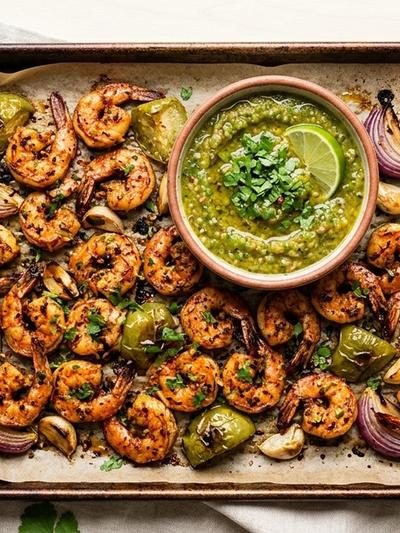
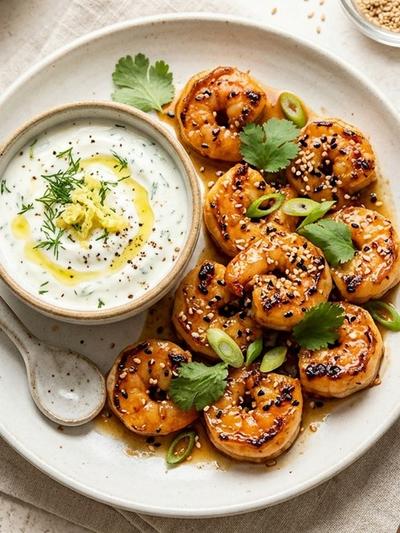
Each snack-sized serving of these Veracruz shrimp bites packs 26 grams of complete protein for roughly 200 calories. Shrimp is one of the leanest animal proteins available, delivering negligible fat alongside selenium, iodine, and vitamin B12. Paired with briny green olives, sharp capers, and a tangy Greek yogurt dip, this is a snack that feels substantial without the caloric weight of a full meal. Crisp jicama sticks round out the plate with prebiotic fiber and a satisfying crunch.
Veracruz-style cooking is one of Mexico's most distinctive regional traditions, built on the influence of Spanish ingredients like olives, capers, and pickled peppers layered over fresh tomato and garlic. The result is a sauce that tastes complex but comes together in under ten minutes. The briny, acidic notes cut through the natural sweetness of the shrimp, and a squeeze of fresh lime ties everything together with that unmistakable Mexican brightness.
This format works particularly well for GLP-1 users because the portions are naturally snack-sized and the flavors are bold enough to feel satisfying after just a few bites. The shrimp cook quickly, the sauce requires no simmering, and the jicama sticks need nothing more than a quick peel and slice. From cutting board to plate in twenty minutes, this is the kind of snack you can prepare between meals without turning it into a production.
Why This Works on GLP-1
At 26 grams of protein per serving, these shrimp bites deliver more than many full breakfast portions in a compact snack format. Maintaining adequate protein intake between meals is one of the most important nutritional strategies during GLP-1-assisted weight loss, because the reduced calorie intake that comes with medications like Mounjaro and Ozempic can accelerate lean muscle loss if protein falls too low. Shrimp is especially efficient here: you get a high protein-to-calorie ratio without the saturated fat that comes with cheese-heavy or fried snack options. The amino acid profile of shellfish is complete, supporting muscle protein synthesis without requiring large volumes of food.
The jicama sticks contribute 4 grams of fiber per serving, most of it as inulin, a prebiotic fiber that feeds beneficial gut bacteria without causing the bloating that raw cruciferous vegetables sometimes trigger. For Wegovy and Zepbound users who experience slowed gastric emptying, this gentle fiber source adds bulk and crunch without digestive discomfort. The tomato-based sauce is naturally low in fat, which means less of the heaviness that can worsen nausea during the adjustment phase of GLP-1 therapy.
The combination of lean protein, gentle fiber, and bold acidity makes this snack particularly useful for the mid-afternoon window when blood sugar dips and cravings surface. Olives and capers provide healthy monounsaturated fats and sodium, which can help with the mild electrolyte shifts some people experience during rapid weight loss. At just 200 calories, this snack fits easily into any calorie target without requiring the mental math of a full meal.
Ingredients (serves 4)
For the Veracruz shrimp:
- 1 lb (450g) large shrimp, peeled and deveined
- 2 tsp olive oil
- 3 cloves garlic, thinly sliced
- 1 medium Roma tomato (about 100g), seeded and diced small
- 12 pimiento-stuffed green olives, halved (about 60g)
- 2 tbsp (18g) capers, drained and patted dry
- 2 pickled jalapeño slices, finely diced
- 1 tsp dried Mexican oregano
- 1/2 tsp smoked paprika
- Juice of 1 lime (about 2 tbsp)
- 1/4 tsp fine sea salt
- Freshly ground black pepper to taste
- 2 tbsp fresh cilantro, roughly chopped
For the olive-caper yogurt dip:
- 1/2 cup (120g) nonfat plain Greek yogurt
- 4 pimiento-stuffed green olives, finely chopped
- 1 tsp capers, finely chopped
- 1 tsp fresh lime juice
- 1 small pinch ground cumin
For serving:
- 2 cups (240g) jicama, peeled and cut into sticks
Instructions
Make the yogurt dip:
- Stir together the Greek yogurt, chopped olives, capers, lime juice, and cumin in a small bowl. The briny olives and capers provide enough salt on their own, so taste before adding any. Set aside in the refrigerator while you cook the shrimp — chilling for even ten minutes lets the flavors meld.
Prepare the shrimp:
Pat the shrimp thoroughly dry with paper towels. This step matters: wet shrimp will steam rather than sear, and you want a light golden crust on the outside. Season the shrimp with the smoked paprika, half the oregano, and a grind of black pepper. Toss gently to coat.
Heat the olive oil in a large nonstick or cast-iron skillet over medium-high heat until it just begins to shimmer. Add the shrimp in a single layer, leaving space between each piece. Cook without moving for 90 seconds until the undersides turn pink and slightly golden. Flip each shrimp and cook for another 60 seconds. Transfer the shrimp to a clean plate — they will finish cooking in the sauce shortly.
Build the Veracruz sauce:
Reduce the heat to medium. Add the sliced garlic to the same skillet and stir for 30 seconds until fragrant but not browned. Add the diced tomato, halved olives, capers, pickled jalapeño, and remaining oregano. Cook for 2 minutes, stirring occasionally, until the tomato softens and releases its juices. The capers will start to open and crisp slightly at the edges, which deepens their flavor.
Return the shrimp and any accumulated juices to the skillet. Toss everything together for 60 seconds until the shrimp are just cooked through and coated in sauce. Remove from heat immediately — overcooked shrimp turn rubbery. Squeeze the lime juice over the top and toss once more.
Serve:
- Divide the shrimp bites among four small plates or a single serving platter. Scatter the chopped cilantro over the top. Serve alongside the jicama sticks and the olive-caper yogurt dip. Eat with toothpicks, small forks, or your hands — this is meant to be casual.
Nutrition per Serving
| Nutrient | Amount (approx.) |
|---|---|
| Calories | ~200 kcal |
| Protein | ~26g |
| Fat | ~6g |
| Carbohydrates | ~8g |
| Fiber | ~4g |
Estimates based on 4 oz raw shrimp, 1/2 cup jicama, 2 tablespoons Greek yogurt, and measured olive oil per serving. Actual values may vary with shrimp size and olive brand.
Practical Notes
This snack scales up for a light dinner. Double the shrimp to 8 ounces per person, add a small portion of cooked quinoa or brown rice to the plate, and you have a complete 350-calorie dinner with over 40 grams of protein. Keep the sauce ratios the same — it produces enough liquid to coat the extra shrimp without adjustment.
Prep the dip and jicama ahead. Both the yogurt dip and the jicama sticks hold well for up to three days in the refrigerator, stored separately in airtight containers. When a snack craving hits, you only need ten minutes to cook the shrimp. Pre-seasoned raw shrimp can also be stored overnight, so the entire snack goes from fridge to plate in under eight minutes.
Use frozen shrimp to keep cost down. Frozen peeled and deveined shrimp are often fresher than the thawed shrimp sitting in the seafood case, since most shrimp is frozen at sea regardless. Thaw them in a colander under cold running water for five minutes, then dry thoroughly. The quality difference from fresh is negligible, especially in a boldly seasoned preparation like this.
If nausea is an issue, eat this cold. Cook the shrimp and sauce, let everything cool to room temperature, then refrigerate for at least an hour. Cold Veracruz shrimp eaten with chilled jicama sticks can be easier on a sensitive stomach than hot food, and the olive-caper sauce tastes even better after the flavors have had time to develop. Many GLP-1 users find cold protein snacks more tolerable during dose increases.
Swap the shrimp for other firm seafood. Bay scallops, diced cod, or chunks of mahi-mahi all work in this preparation. Adjust cooking time — scallops need about 2 minutes per side, while cod or mahi-mahi chunks need 3 to 4 minutes total. The Veracruz sauce complements any mild white fish or shellfish without overpowering it.
Frequently Asked Questions
Can I eat this snack during the first few weeks of Mounjaro or Ozempic when my appetite is very low?
What can I use instead of jicama if I cannot find it?
How should I store leftover shrimp, and how long do they keep?
Is this appropriate for someone managing blood sugar alongside GLP-1 medication?
My skillet shrimp always come out rubbery — what am I doing wrong?
This article provides general food and nutrition guidance only. It does not constitute medical advice. Always consult your healthcare provider regarding your GLP-1 medication and individual nutritional needs.