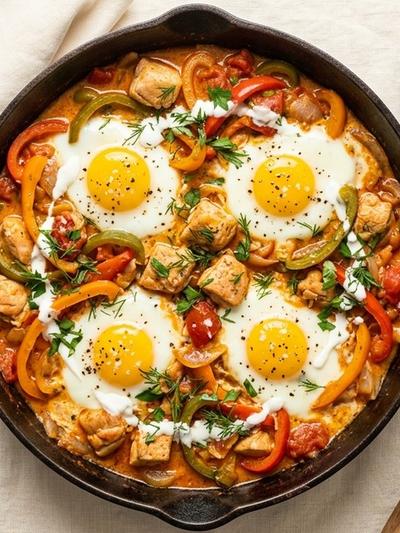
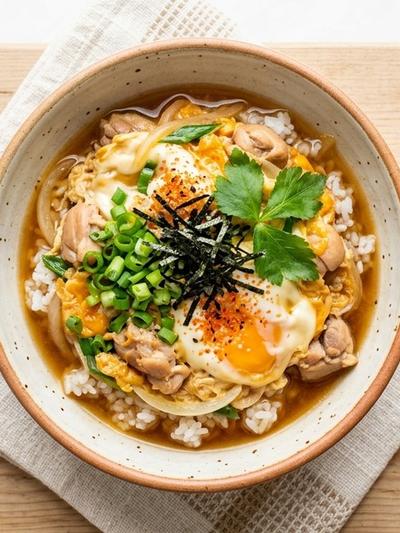
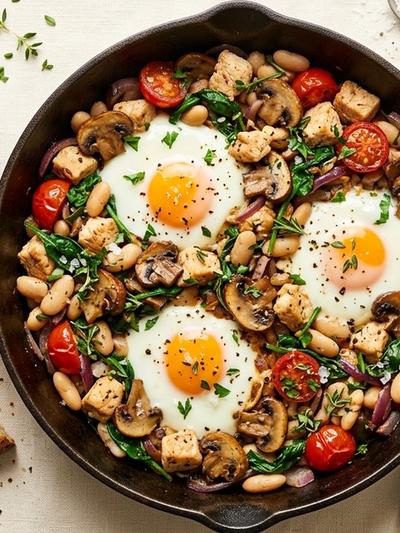
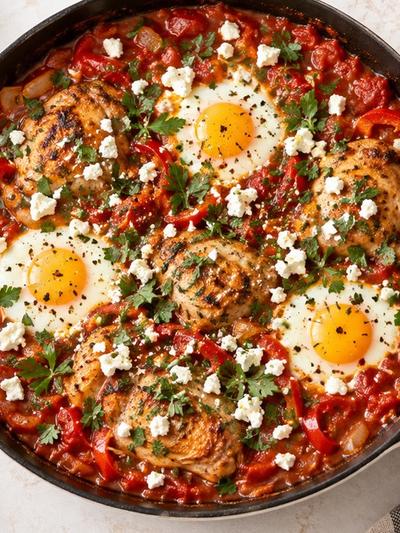
With 34 grams of protein per serving from a combination of lean ground chicken breast and soft-cooked eggs, this chilaquiles skillet delivers serious staying power in a compact, flavorful package. Each portion provides a generous balance of complete amino acids alongside 6 grams of fiber from black beans and corn tortillas. The dish clocks in at just 365 calories, making it a nutrient-dense breakfast that works within the smaller portions typical of GLP-1 users.
Chilaquiles verdes is one of Mexico's most beloved breakfasts — lightly crisped tortilla pieces simmered in tangy tomatillo salsa until they soften just enough to absorb flavor while keeping a pleasant chew at the edges. Adding seasoned ground chicken transforms this traditionally lighter dish into a protein powerhouse, while eggs nestled into the skillet cook gently in the simmering salsa. The result is layers of texture and brightness: the acidity of tomatillo, the warmth of cumin, the freshness of cilantro, and the richness of runny egg yolk pulling everything together.
This one-skillet format means breakfast comes together in about 25 minutes with almost no cleanup. For people on GLP-1 medications who may struggle with morning appetite, the bright, tangy flavor profile of salsa verde is far more appealing than heavy, greasy alternatives. The soft textures throughout — tender chicken, yielding tortilla, silky egg — are gentle on digestion while still feeling like a substantial, satisfying meal.
Why This Works on GLP-1
Each serving provides 34 grams of high-quality protein from two complementary sources: lean ground chicken breast and whole eggs. This level of protein is critical for preserving lean muscle mass during the weight loss that typically accompanies Mounjaro or other GLP-1 receptor agonists. Research consistently shows that higher protein intake during medically assisted weight loss helps protect metabolically active tissue, and morning protein is especially important for setting the day's satiety baseline. Spreading protein across meals rather than loading it at dinner has been linked to better muscle protein synthesis throughout the day.
The 6 grams of fiber per serving come primarily from black beans and corn tortillas — both gentle, well-tolerated fiber sources that are unlikely to cause the bloating or discomfort that can be amplified by GLP-1 medications. Tomatillo-based salsa verde is naturally low in fat and provides vitamin C and potassium without the heaviness of cream-based sauces. The acidity of tomatillos also tends to be well received by people experiencing the reduced appetite and occasional nausea common during GLP-1 dose adjustments.
At 365 calories per serving with 13 grams of fat, this breakfast avoids the excess that comes with traditional chilaquiles made with fried tortillas and heavy cheese. Baking the tortilla pieces instead of frying them cuts significant fat while still providing the satisfying crunch that softens in the salsa. The balance of macronutrients — moderate carbs, high protein, lower fat — aligns well with the metabolic goals most Wegovy and Ozempic users are working toward.
Ingredients (serves 4)
For the baked tortilla chips:
- 6 small corn tortillas (about 6 inches / 15cm each)
- 1 teaspoon (5ml) avocado oil or olive oil
- Pinch of salt
For the chicken and salsa:
- 1 lb (450g) lean ground chicken breast
- 1 tablespoon (15ml) avocado oil
- 1 small white onion, diced (about 3/4 cup / 120g)
- 2 cloves garlic, minced
- 1 teaspoon ground cumin
- 1/2 teaspoon smoked paprika
- 1/4 teaspoon salt
- 1/4 teaspoon black pepper
- 1 1/2 cups (375ml) salsa verde (store-bought or homemade)
- 1/2 cup (85g) canned black beans, drained and rinsed
For the eggs and toppings:
- 4 large eggs
- 2 tablespoons (20g) crumbled queso fresco or cotija cheese
- 2 tablespoons fresh cilantro, roughly chopped
- 1 small jalapeño, thinly sliced (optional, seeds removed for milder heat)
- 1 lime, cut into wedges
Instructions
Bake the tortilla chips:
- Preheat your oven to 375°F (190°C). Cut each corn tortilla into 6 wedges and spread them in a single layer on a baking sheet. Brush lightly with 1 teaspoon of oil and sprinkle with a pinch of salt. Bake for 10–12 minutes until golden and crisp. Baking rather than frying gives you the texture you need with a fraction of the fat — they don't need to be perfectly crunchy since they'll soften in the salsa.
Cook the seasoned chicken:
While the tortillas bake, heat 1 tablespoon of avocado oil in a large 12-inch (30cm) skillet over medium-high heat. Add the ground chicken, breaking it into small crumbles with a wooden spoon. Cook for 5–6 minutes until no longer pink, stirring occasionally to keep the pieces small and even.
Add the diced onion and cook for 2–3 minutes until softened and translucent. Stir in the minced garlic, cumin, smoked paprika, salt, and pepper. Cook for 30 seconds until fragrant — the cumin and paprika bloom in the heat, releasing their full flavor.
Build the chilaquiles:
Pour the salsa verde over the chicken and stir to combine. Add the black beans and bring the mixture to a gentle simmer. Let it bubble for 2 minutes so the flavors meld and the sauce reduces slightly.
Add the baked tortilla chips to the skillet, folding them gently into the salsa. You want them coated but not drowning — they should still have some structure. Let them sit in the simmering salsa for about 1 minute to begin softening.
Nestle and cook the eggs:
Using the back of a spoon, create 4 small wells in the mixture. Crack one egg into each well. Reduce the heat to medium-low and cover the skillet with a lid or sheet of aluminum foil. Cook for 4–5 minutes until the egg whites are set but the yolks remain soft and runny. If you prefer firmer yolks, cook an additional 1–2 minutes.
Remove from heat, scatter the crumbled queso fresco and chopped cilantro over the top, and add jalapeño slices if using. Serve immediately with lime wedges on the side — the squeeze of fresh lime brightens every bite.
Nutrition per Serving
| Nutrient | Amount (approx.) |
|---|---|
| Calories | ~365 kcal |
| Protein | ~34g |
| Fat | ~13g |
| Carbohydrates | ~28g |
| Fiber | ~6g |
Estimates based on lean ground chicken breast (99% lean), standard corn tortillas, store-bought salsa verde, and large eggs. Actual values may vary with specific brands and portion sizes.
Practical Notes
Meal prep friendly for 3 days. Cook the seasoned chicken and salsa verde mixture in advance and store in an airtight container for up to 3 days. When ready to eat, reheat the chicken mixture in a skillet, add freshly baked tortilla chips and eggs, and cook as directed. The tortilla chips should always be added fresh — pre-soaked chips become mushy.
Swap the protein if needed. Ground turkey breast works as a direct 1:1 substitute for the chicken. For a vegetarian option, replace the chicken with an extra can of black beans and increase the eggs to 6 total — you'll still hit around 22 grams of protein per serving. Crumbled extra-firm tofu seasoned the same way is another solid plant-based alternative.
Start with half a portion during early GLP-1 treatment. If you're in the first weeks of Zepbound or adjusting your dose, serve yourself half a portion and save the rest. This recipe reheats well in a covered skillet over low heat with a splash of water to loosen the salsa. Eating slowly and stopping when satisfied is more important than finishing a full serving.
Use homemade salsa verde for better control. Store-bought works fine, but making your own from roasted tomatillos, onion, garlic, and cilantro lets you control sodium and heat. Roast 1 pound of tomatillos and half an onion under the broiler for 8 minutes, blend with a clove of garlic, a handful of cilantro, and salt to taste. It freezes well in ice cube trays for future batches.
Don't skip the lime. The fresh squeeze of lime juice at the end isn't just garnish — it cuts through the richness of the egg yolk and adds a burst of acidity that stimulates appetite, which can be genuinely helpful on mornings when GLP-1 medications suppress your desire to eat. Even a small squeeze makes the dish taste brighter and more appealing.
Frequently Asked Questions
Can I eat chilaquiles if GLP-1 medications make me nauseous in the morning?
Can I make this dairy-free or use a different cheese?
How should I store and reheat leftovers?
What if I have a very small appetite and can't eat a full serving?
Can I use store-bought tortilla chips instead of baking my own?
This article provides general food and nutrition guidance only. It does not constitute medical advice. Always consult your healthcare provider regarding your GLP-1 medication and individual nutritional needs.