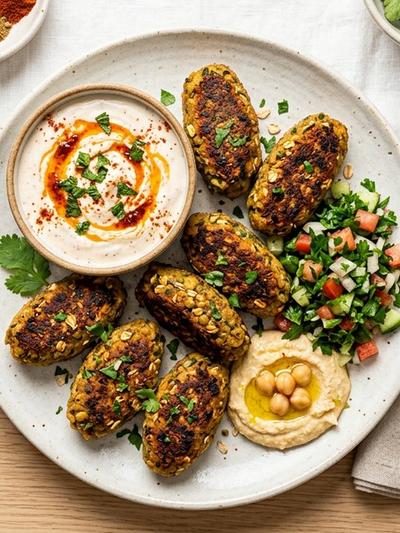
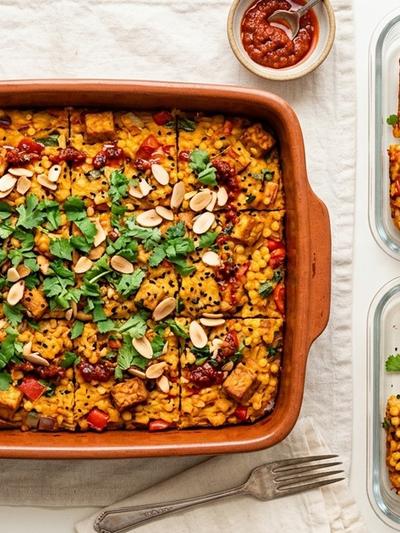
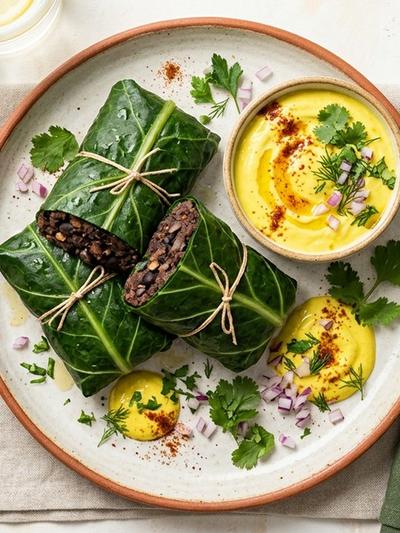
Each serving of this North African-inspired sauté delivers 28 grams of protein from a combination of part-skim ricotta and cannellini beans, along with 8 grams of fiber to support steady digestion. The ricotta adds a creamy richness that replaces the heavier cream or cheese sauces found in many meal prep recipes, while the white beans provide slow-releasing carbohydrates and additional plant protein. Iron from the spinach and vitamin C from the bell peppers round out a nutritionally complete meal in one pan.
Ras el hanout — the classic North African spice blend — brings warm notes of cinnamon, coriander, and ginger that pair naturally with the mild sweetness of ricotta. Sautéed bell peppers and zucchini add a gentle bite, while wilted spinach and crushed tomatoes create a sauce that coats everything without heaviness. A squeeze of lemon at the finish lifts the whole dish, keeping each spoonful bright even after three days in the refrigerator.
This recipe was designed specifically for the meal prep needs of GLP-1 users. The portions are satisfying without being overwhelming — around 385 calories each — and the soft textures of ricotta and beans are easy on a sensitive stomach. Portioned into four containers, you have nearly half a week of high-protein lunches or dinners ready to reheat in under two minutes.
Why This Works on GLP-1
The 28 grams of protein per serving come from two complementary sources: part-skim ricotta contributes complete animal protein with all essential amino acids, while cannellini beans add plant-based protein along with resistant starch. This dual-source approach supports muscle preservation during GLP-1-assisted weight loss, which is critical since up to 40 percent of weight lost on these medications can come from lean mass without adequate protein intake. Hitting at least 25 grams at each meal helps counteract this effect and keeps your metabolic rate from declining as you lose weight.
The 8 grams of fiber per serving fall in a moderate range that supports gut health without triggering the bloating or nausea that high-fiber meals can cause on Wegovy or Mounjaro. White beans provide soluble fiber that absorbs water gradually, and spinach adds gentle bulk. Both work with — rather than against — the slower gastric emptying that GLP-1 medications produce.
The moderate fat content of 13 grams per serving keeps this dish satisfying without the heaviness that high-fat meals can cause when your stomach empties more slowly. Ras el hanout contains anti-inflammatory spices including turmeric and ginger, which may help ease the mild digestive discomfort some GLP-1 users experience in their first weeks of treatment. The meal prep format also means you always have a ready option when appetite is unpredictable — simply reheat a smaller portion if you are not hungry enough for the full serving.
Ingredients (serves 4)
For the spiced vegetable base:
- 1 tablespoon (15ml) extra-virgin olive oil
- 1 medium yellow onion, diced — about 1 cup (150g)
- 3 cloves garlic, minced
- 1 large red bell pepper, cut into 1/2-inch (1cm) pieces
- 1 medium zucchini, halved lengthwise and sliced into half-moons — about 1 1/2 cups (200g)
- 1 tablespoon (7g) ras el hanout
- 1 teaspoon (3g) smoked paprika
- 1/2 teaspoon (1.5g) ground cumin
- 1/4 teaspoon fine sea salt
- 1 can (14 oz / 400g) crushed tomatoes
- 1 can (15 oz / 425g) cannellini beans, drained and rinsed
- 3 cups (90g) fresh baby spinach
For the ricotta layer:
- 2 1/2 cups (600g) part-skim ricotta cheese
- 1 teaspoon (3g) ground cumin
- 1/4 teaspoon (0.5g) ground cinnamon
- 1/4 teaspoon fine sea salt
- Pinch of black pepper
To finish:
- 1 tablespoon (15ml) fresh lemon juice
- 2 tablespoons fresh flat-leaf parsley, roughly chopped
- 1/2 teaspoon flaky sea salt (optional)
Instructions
Season the ricotta:
- In a medium bowl, combine the part-skim ricotta with the cumin, cinnamon, salt, and black pepper. Stir until the spices are evenly distributed throughout — this pre-seasoning step ensures every spoonful of ricotta carries flavor rather than acting as a bland blob on top. Set aside while you prepare the vegetables.
Build the vegetable base:
Heat the olive oil in a large (12-inch / 30cm) skillet or sauté pan over medium heat. Add the diced onion and cook for 4 to 5 minutes, stirring occasionally, until translucent and starting to soften.
Add the garlic and cook for 30 seconds until fragrant. Add the red bell pepper and zucchini, then increase the heat to medium-high. Cook for 5 to 6 minutes, stirring every minute or so, until the vegetables take on some light color and begin to soften — you want them tender but not mushy, since they will continue cooking with the tomatoes.
Sprinkle the ras el hanout, smoked paprika, cumin, and salt over the vegetables. Stir for about 30 seconds to toast the spices in the pan's heat, which activates their essential oils and deepens the flavor significantly.
Pour in the crushed tomatoes and stir to combine. Bring to a gentle simmer and cook for 3 to 4 minutes until the sauce thickens slightly and clings to the vegetables.
Add the drained cannellini beans and stir gently to incorporate without crushing them. Cook for 2 minutes to warm the beans through.
Add the baby spinach in two batches, folding each batch into the hot vegetable mixture until wilted — this takes about 1 minute per batch. The spinach volume will reduce dramatically, which is normal.
Add the ricotta and finish:
Drop the seasoned ricotta into the pan in 8 large spoonfuls, spacing them evenly across the surface. Press each dollop down slightly with the back of the spoon but do not stir them in — you want distinct pockets of creamy ricotta throughout the dish rather than a uniform mixture.
Cover the pan with a lid and reduce heat to medium-low. Cook for 4 to 5 minutes, just until the ricotta is heated through and has firmed slightly around the edges. The residual heat from the vegetables will warm the ricotta without breaking it down.
Remove from heat. Squeeze the lemon juice over the entire pan and scatter the chopped parsley on top. Sprinkle with flaky salt if using.
Let the dish cool in the pan for 10 minutes before portioning into four meal prep containers. Distribute the ricotta dollops evenly — each container should get two generous spoonfuls along with a quarter of the vegetable and bean mixture.
Nutrition per Serving
| Nutrient | Amount (approx.) |
|---|---|
| Calories | ~385 kcal |
| Protein | ~28g |
| Fat | ~13g |
| Carbohydrates | ~34g |
| Fiber | ~8g |
Estimates based on part-skim ricotta, canned cannellini beans, and one tablespoon of olive oil divided across four servings. Actual values may vary by ricotta brand.
Practical Notes
Meal prep storage and reheating. Store portioned containers in the refrigerator for up to 4 days. Reheat in the microwave for 90 seconds to 2 minutes, stirring gently halfway through. The ricotta will soften and partially melt into the vegetable base when reheated, which actually improves the texture — it creates a creamy sauce throughout. Do not freeze this dish, as ricotta becomes grainy after thawing.
Ras el hanout substitution. If you cannot find ras el hanout, combine equal parts ground coriander, ground ginger, and ground cinnamon with a pinch of ground cloves and black pepper. This approximation captures the warm, complex character of the blend. Most grocery stores now carry ras el hanout in the spice aisle, and a single jar will last through many batches of this recipe.
Adjusting for smaller appetites on Ozempic or Zepbound. Divide the finished dish into 5 or 6 portions instead of 4. You will still get 19 to 23 grams of protein per smaller serving, which remains substantial for a single meal. Smaller portions also mean more days of meal prep from a single batch — a practical advantage when your appetite is unpredictable in the early weeks of treatment.
Boosting the protein further. Stir 2 tablespoons of hemp hearts into each portion before serving for an additional 6 grams of protein and healthy omega-3 fats. Alternatively, serve alongside a small portion of grilled chicken breast or a hard-boiled egg if you are aiming for 35 grams or more of protein at this meal.
Make it spicier or milder. For more heat, stir 1 to 2 teaspoons of harissa paste into the tomato sauce at step 5. For a milder version better suited to sensitive stomachs, reduce the ras el hanout to 2 teaspoons and omit the smoked paprika entirely. The dish still carries plenty of flavor from the cumin, cinnamon, and lemon.
Frequently Asked Questions
Will the ricotta cause nausea on GLP-1 medications?
Can I use whole-milk ricotta or cottage cheese instead?
How well does this hold up over 4 days of meal prep?
What if I can only eat a few bites during my early weeks on GLP-1?
Can I cook the ricotta directly into the sauce instead of dolloping it?
This article provides general food and nutrition guidance only. It does not constitute medical advice. Always consult your healthcare provider regarding your GLP-1 medication and individual nutritional needs.