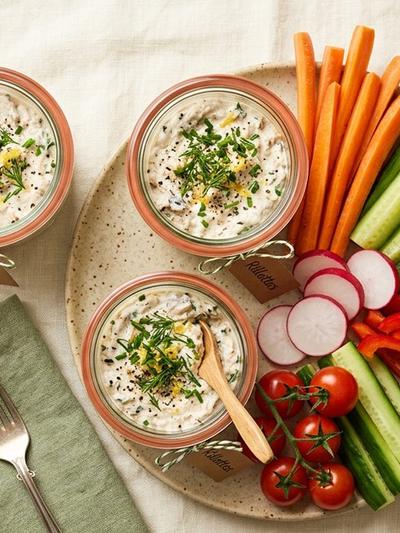
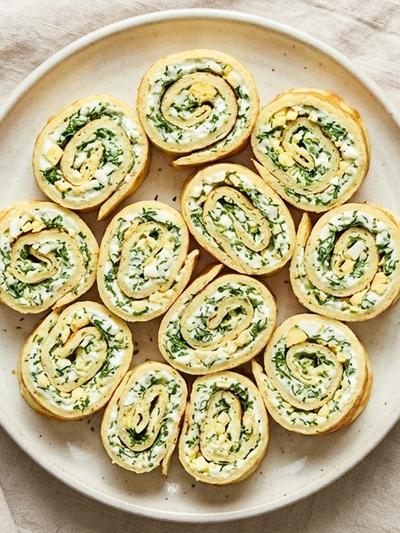
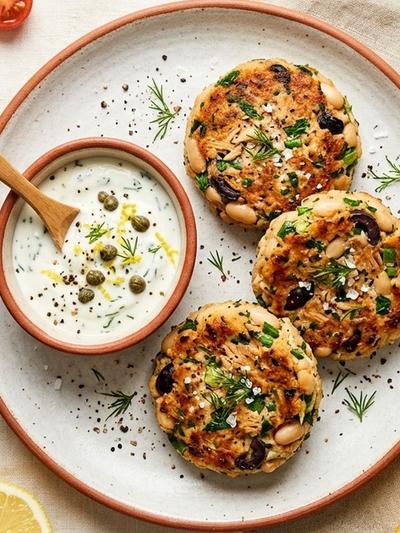
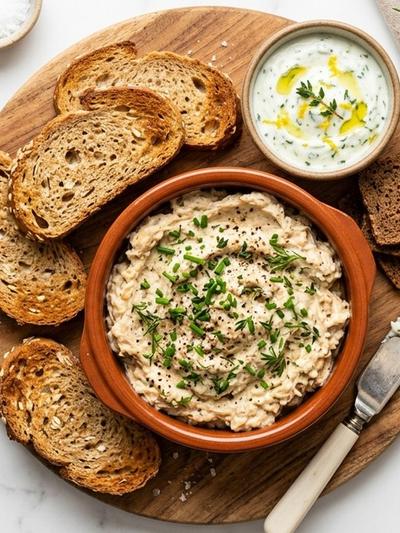
Each of these Nordic-inspired protein pots packs 26 grams of protein into a snack that clocks in under 200 calories. Smoked trout delivers omega-3 fatty acids alongside exceptionally bioavailable protein, while cottage cheese adds a creamy base rich in casein — the slow-digesting protein that keeps you satisfied between meals. A squeeze of lemon and fresh dill bring brightness without adding calories or digestive stress.
The flavor here is clean and Scandinavian — smoky, briny fish folded into tangy cottage cheese with pops of brined capers, the licorice-adjacent freshness of dill, and a whisper of lemon zest tying it together. The texture lands somewhere between a pâté and a chunky spread, substantial enough to eat with a spoon but equally good scooped onto cucumber rounds or rye crispbread. It tastes like something you'd find at a Copenhagen café, not a diet snack.
For GLP-1 users, these pots solve a real problem: the need for protein-dense snacks that are gentle, portable, and ready the moment hunger arrives. Because GLP-1 medications reduce appetite unpredictably, having pre-portioned protein on hand prevents the common pitfall of skipping nutrition entirely. Each pot is cold, requiring no reheating, which is ideal when even the thought of cooking feels like too much.
Why This Works on GLP-1
Preserving lean muscle mass is one of the most important nutritional priorities during GLP-1-assisted weight loss, and that requires consistent protein intake spread across the day — not just at main meals. Each smoked trout pot delivers 26 grams of complete protein from two complementary sources: the fast-absorbing protein from trout and the slower-digesting casein from cottage cheese. For people on Mounjaro or similar GLP-1 medications who find themselves eating smaller meals, a protein-dense snack like this helps close the daily protein gap without requiring a full sit-down meal.
The fats in this recipe are predominantly omega-3 fatty acids from the smoked trout, which support cardiovascular health and may help reduce the inflammation some GLP-1 users experience during rapid weight loss. At only 8 grams of total fat per serving, these pots are lean enough to digest comfortably even when gastric emptying is slowed.
Cottage cheese is one of the most GLP-1-friendly dairy foods because its protein-to-calorie ratio is exceptional and its soft texture requires minimal digestive effort. The relatively low carbohydrate content — just 4 grams per pot — means this snack won't cause blood sugar fluctuations, working with your medication rather than against it.
Ingredients (serves 4)
For the protein pots:
- 10 oz (280g) smoked trout fillets, skin removed
- 1 cup (225g) low-fat cottage cheese (2%)
- 3 tablespoons (45g) plain Greek yogurt (2%)
- 2 tablespoons (18g) capers, drained and roughly chopped
- 2 tablespoons fresh dill, finely chopped, plus extra fronds for garnish
- 1 tablespoon fresh lemon juice
- 1 teaspoon lemon zest
- ½ teaspoon Dijon mustard
- ¼ teaspoon freshly ground black pepper
- Pinch of flaky sea salt (optional — taste first, smoked trout is already salty)
For serving (optional):
- 1 medium cucumber, sliced into rounds
- Rye crispbread or whole-grain crackers
Instructions
Prepare the smoked trout:
Break the smoked trout fillets into a medium bowl, using your fingers to flake the fish into rough, bite-sized pieces. Check for and remove any small pin bones as you go. You want a mix of larger flakes and smaller shreds — this gives the finished pots better texture than uniformly mashing everything together.
Set aside about a quarter of the nicest trout flakes on a small plate. These will top each pot for visual appeal and a more substantial bite on the surface.
Make the cottage cheese base:
In a separate bowl, combine the cottage cheese, Greek yogurt, Dijon mustard, lemon juice, and lemon zest. Stir until evenly blended. The yogurt loosens the cottage cheese slightly and adds tang, while the mustard provides a subtle background warmth without any heat.
Fold in the chopped capers, dill, and black pepper. Stir gently — you want the add-ins distributed throughout without crushing them.
Assemble the pots:
Add the larger portion of flaked trout to the cottage cheese mixture. Fold together with a spatula using broad, gentle strokes. The goal is to distribute the fish evenly while keeping distinct flakes visible throughout. Over-mixing will turn this into a paste, which loses the pleasant texture contrast.
Divide the mixture evenly among four small jars, ramekins, or airtight containers — each pot should hold roughly ¾ cup of the mixture. Press down gently with the back of a spoon to eliminate air pockets.
Top each pot with the reserved trout flakes and a few extra dill fronds. Cover tightly with lids or plastic wrap pressed directly against the surface to prevent the top from drying out.
Chill and store:
- Refrigerate for at least 30 minutes before eating. This resting time allows the flavors to meld — the capers and lemon permeate the cottage cheese, and the overall taste improves significantly compared to eating it immediately. The pots will keep refrigerated for up to 4 days.
Nutrition per Serving
| Nutrient | Amount (approx.) |
|---|---|
| Calories | ~195 kcal |
| Protein | ~26g |
| Fat | ~8g |
| Carbohydrates | ~4g |
| Fiber | ~1g |
Estimates based on low-fat cottage cheese, plain Greek yogurt, and standard smoked trout fillets. Serving with cucumber rounds adds approximately 8 calories; each rye crispbread adds roughly 35 calories and 3g fiber.
Practical Notes
Meal prep and storage. These pots are specifically designed to last Monday through Thursday in the refrigerator. Make all four on Sunday evening in about 15 minutes, and you have a grab-and-go protein snack ready every day. The flavor actually improves on days two and three as the dill and caper brine seasons the cottage cheese further.
Smoked trout substitutions. If you cannot find smoked trout, hot-smoked salmon works perfectly with the same quantities and similar nutrition. Canned salmon (drained and bones removed) is a more affordable option that yields a slightly softer texture — add an extra teaspoon of lemon juice to compensate for the milder flavor. Avoid cold-smoked salmon (lox), which has too delicate a texture and will dissolve into the mixture.
Cottage cheese texture tip. If your cottage cheese has very large curds and you prefer a smoother base, pulse it three or four times in a food processor before mixing — but don't purée it completely. Some curd texture is desirable because it gives the finished pot more body and makes it feel more substantial to eat, which matters when your appetite is small.
Pack cucumber rounds separately. If you're taking these to work, keep cucumber slices in a separate small bag or container. Cucumbers release moisture over time, and pre-assembled pots with cucumber on top will become watery by day two. Assembling at the moment of eating takes ten seconds and keeps everything at the right texture.
Adjust seasoning for medication side effects. Some Zepbound and Wegovy users report that strong flavors taste differently during the first weeks of treatment. If capers taste too intense, reduce them to one tablespoon or substitute with finely diced cornichons, which add similar brininess with a milder impact. You can also start with half the dill and add more to taste.
Frequently Asked Questions
Can I eat these pots if I'm in the early weeks of GLP-1 treatment and have very little appetite?
What if I'm allergic to fish — can I make a similar snack with another protein?
How long do these last in the fridge, and can I freeze them?
I find cottage cheese bland — how can I make these more flavorful?
Can I use full-fat cottage cheese instead of low-fat?
This article provides general food and nutrition guidance only. It does not constitute medical advice. Always consult your healthcare provider regarding your GLP-1 medication and individual nutritional needs.