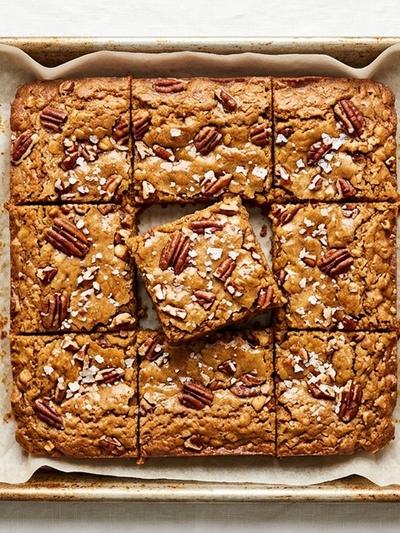
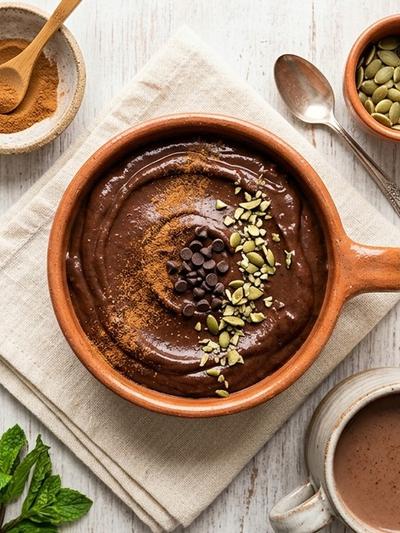
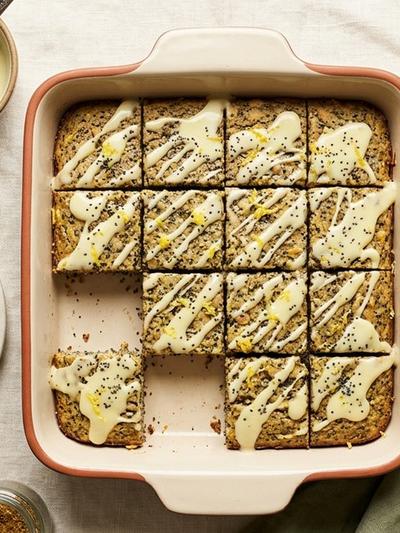
Each serving of these dark chocolate chickpea squares delivers 25 grams of protein alongside 9 grams of fiber — remarkable numbers for a dessert that tastes like it belongs in a Parisian patisserie window. The protein comes from a strategic combination of blended chickpeas, pea protein powder, oat flour, and almond butter, meaning every bite contributes meaningfully to your daily targets. At just 385 calories for two generous squares, these sit comfortably within the smaller portion sizes most GLP-1 users prefer.
The flavor profile is deeply chocolatey, with Dutch-process cocoa and 70% dark chocolate providing the rich, bittersweet backbone that makes French chocolate confections so compelling. A shot of instant espresso amplifies the chocolate flavor without adding coffee taste, while a pinch of fleur de sel on top creates that signature sweet-salty contrast. The texture lands between a fudgy brownie and a dense flourless chocolate cake — exactly the kind of indulgent mouthfeel that makes you forget you're eating chickpeas.
These squares are purpose-built for the meal prep approach that works best on GLP-1 medications. Bake one batch on Sunday, slice into eight squares, and you have a satisfying sweet ready whenever a craving strikes during the week. The dense, protein-rich composition means a single serving genuinely satisfies — you won't feel the urge to eat three or four, especially with the appetite-modulating effects of your medication working alongside you.
Why This Works on GLP-1
With 25 grams of protein per two-square serving, these chocolate squares function as both a dessert and a meaningful protein contribution. Maintaining adequate protein intake is one of the most important nutritional strategies during GLP-1-assisted weight loss, because reduced calorie intake can lead to muscle loss alongside fat loss. For people on Wegovy or similar semaglutide medications, finding ways to incorporate protein into every eating occasion — including dessert — helps preserve lean muscle mass and supports metabolic health. The combination of chickpea protein, pea protein, and oat protein provides a complete amino acid profile without relying on any animal products.
The 9 grams of fiber per serving comes primarily from the chickpeas and cocoa powder, both of which provide gentle, soluble fiber that supports digestive regularity without the bloating that high-fiber supplements can cause. This is particularly relevant for GLP-1 users, as the medications already slow gastric emptying — adding harsh, insoluble fiber on top can create uncomfortable fullness. The fiber here is integrated into a smooth, blended base that digests gradually and predictably.
At 385 calories with 11 grams of fat, these squares demonstrate that satisfying chocolate desserts don't require the butter-heavy approach of traditional French baking. The modest fat content comes from heart-healthy sources — almond butter and dark chocolate — providing enough richness for genuine satisfaction without the heavy, greasy feeling that can trigger nausea on GLP-1 medications.
Ingredients (serves 4)
For the chocolate chickpea base:
- 1 can (15 oz / 425g) chickpeas, drained and rinsed well
- 1/3 cup + 1 tbsp (70g) vanilla pea protein powder
- 1/2 cup (50g) Dutch-process cocoa powder
- 1/3 cup (40g) oat flour
- 2 tbsp (30g) almond butter, smooth
- 1/4 cup (60ml) maple syrup
- 1/4 cup (60ml) oat milk, unsweetened
- 1 tsp vanilla extract
- 1 tsp instant espresso powder
- 1/2 tsp baking powder
- 1/8 tsp fine sea salt
For the chocolate pieces and topping:
- 1/3 cup (50g) dark chocolate chips or chopped dark chocolate (70% cacao)
- Fleur de sel or flaky sea salt, for finishing
Instructions
Prepare the batter:
Preheat your oven to 350°F (175°C) and line an 8×8-inch (20×20 cm) baking pan with parchment paper, leaving overhang on two sides for easy removal later. Lightly mist the parchment with cooking spray.
Add the drained chickpeas, oat milk, maple syrup, almond butter, and vanilla extract to a food processor or high-speed blender. Process for 60–90 seconds until completely smooth, scraping down the sides once or twice — any remaining chickpea texture will show in the final squares, so blend thoroughly.
Add the cocoa powder, pea protein powder, oat flour, espresso powder, baking powder, and salt. Pulse 10–15 times, then process for another 30 seconds until a thick, uniform batter forms. The batter will be noticeably thicker than traditional brownie batter — this is correct and produces the dense, fudgy texture you want.
Remove the blade and fold in roughly two-thirds of the chocolate chips using a spatula, reserving the rest for the top.
Bake and finish:
Transfer the batter to the prepared pan and spread evenly with the spatula or the back of a damp spoon — the batter is sticky, so wetting your tool helps. Scatter the remaining chocolate chips across the top and press them gently into the surface.
Bake for 22–25 minutes. The squares are done when the edges have pulled slightly away from the parchment and the center is set but still has a very slight jiggle — it will firm up as it cools. A toothpick inserted in the center should come out with moist crumbs, not wet batter.
Immediately sprinkle a pinch of fleur de sel over the top while the chocolate chips are still glossy. Allow the squares to cool completely in the pan on a wire rack, at least 45 minutes. The texture improves dramatically as they set — resist cutting them warm.
Use the parchment overhang to lift the slab from the pan, then cut into 8 equal squares with a sharp knife wiped clean between cuts.
Nutrition per Serving
| Nutrient | Amount (approx.) |
|---|---|
| Calories | ~385 kcal |
| Protein | ~25g |
| Fat | ~11g |
| Carbohydrates | ~44g |
| Fiber | ~9g |
Estimates based on standard USDA values for canned chickpeas, 70% dark chocolate, Dutch-process cocoa, and vanilla pea protein powder (80% protein content).
Practical Notes
Meal prep storage. Store squares in an airtight container in the refrigerator for up to 5 days. They actually taste better cold — the texture becomes more truffle-like and the chocolate flavor intensifies. For longer storage, wrap individual squares in parchment, place in a freezer bag, and freeze for up to 6 weeks. Thaw in the fridge overnight or enjoy straight from the freezer for an ice-cream-like texture.
Protein powder matters. Use a vanilla-flavored pea protein powder for best results. Unflavored works but produces a slightly more "beany" taste. Avoid whey protein in this recipe — it can create a gummy texture when baked at this ratio. If your protein powder is very fine and concentrated (over 85% protein), reduce the amount by 10g and add an extra tablespoon of oat milk to compensate for the drier texture.
Chocolate quality makes the difference. Since this is a chocolate-forward dessert with French roots, invest in good-quality 70% dark chocolate and genuine Dutch-process cocoa rather than natural cocoa. The Dutch processing creates a smoother, less acidic chocolate flavor that pairs better with the chickpea base. Valrhona, Guittard, or any supermarket 70% bar will work beautifully.
Listen to your appetite. Most people on GLP-1 medications find that one serving — two squares — is genuinely enough to satisfy a sweet craving. If you're in the early weeks of Mounjaro or another GLP-1 and your appetite is particularly suppressed, start with a single square. One square still delivers about 12 grams of protein and only 193 calories, making it a perfectly reasonable portion.
Batch doubling for households. This recipe doubles perfectly in a 9×13-inch (23×33 cm) pan — just add 3–4 minutes to the bake time. If you're cooking for a partner or family, a double batch yields 16 squares and means you only bake once every two weeks when combined with freezer storage.
Frequently Asked Questions
Will I taste the chickpeas in these squares?
Can I use a different plant-based protein powder?
How should I reheat these, or are they best cold?
I'm in the first weeks of GLP-1 treatment and can barely eat — is this too heavy?
Can I make these nut-free?
This article provides general food and nutrition guidance only. It does not constitute medical advice. Always consult your healthcare provider regarding your GLP-1 medication and individual nutritional needs.