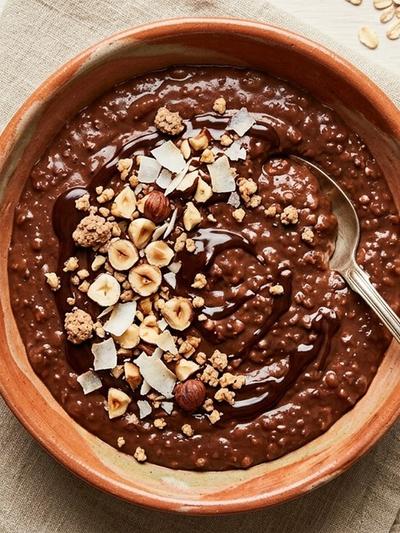
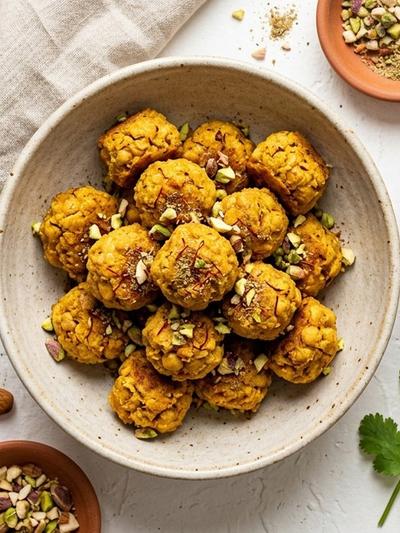
These Scandinavian-inspired cookie bites pack 27 grams of plant-based protein and 10 grams of fiber into a genuinely satisfying dessert, all for under 365 calories per serving. The base is a full can of chickpeas — blended smooth, then enriched with vanilla protein powder and oat flour to create a soft, fudgy dough. Dark chocolate chips stud each bite, and the whole batch air fries in just 12 minutes. It is a dessert that does real nutritional work without tasting like a compromise.
Ground cardamom drives the flavor here, lending the warm, citrusy fragrance that defines Scandinavian baking — the same spice that makes Swedish kardemummabullar irresistible. Paired with pure vanilla extract and a restrained amount of maple syrup, the bites taste like a cross between a soft cookie and a dense blondie. The air fryer creates a thin, lightly crisp shell around each one while the center stays moist and chewy, a contrast you simply cannot get from the oven in this time frame.
For people on GLP-1 medications, a dessert that delivers substantial protein in a small, easily portioned format matters. Six cookie bites is a satisfying amount even when appetite is reduced, and the combination of chickpea fiber and slow-digesting plant protein means these sit comfortably without the heaviness that butter-laden pastries cause. They also store and reheat well, making them a reliable sweet option to keep on hand throughout the week.
Why This Works on GLP-1
Each serving provides 27 grams of protein primarily from chickpeas and plant-based protein powder — a meaningful contribution toward the 1.0–1.2 grams of protein per kilogram of body weight that many clinicians recommend during GLP-1-assisted weight loss. Maintaining adequate protein intake is critical for preserving lean muscle mass while losing fat, especially for people on Mounjaro or similar medications where the rate of weight loss can be significant. Because these bites taste like an actual dessert, they make it easier to hit daily protein targets without relying exclusively on savory meals.
The 10 grams of fiber per serving comes almost entirely from whole chickpeas and oat flour — both soluble fiber sources that are gentle on the digestive system. This matters because GLP-1 medications already slow gastric emptying, and harsh, insoluble-fiber-heavy foods can worsen bloating. Chickpea fiber is well-tolerated by most people and supports steady blood sugar after eating.
The macronutrient profile — moderate carbohydrates, very low fat, high protein — is designed to be metabolically friendly for people taking Wegovy or other GLP-1 receptor agonists. With only 8 grams of fat per serving, these bites avoid the nausea triggers that high-fat desserts often cause on these medications. The complex carbohydrates from chickpeas and oats digest slowly, providing sustained energy rather than a sharp glucose spike.
Ingredients (serves 2)
For the cookie bites:
- 1 can (15 oz / 400g) chickpeas, drained and rinsed (about 1½ cups / 240g drained weight)
- ⅓ cup (35g) vanilla plant-based protein powder
- 3 tablespoons (20g) oat flour
- 2 tablespoons (40ml) pure maple syrup
- 1½ teaspoons ground cardamom
- 1 teaspoon vanilla extract
- ¼ teaspoon fine sea salt
- ½ teaspoon baking powder
- 2 tablespoons (20g) dark chocolate chips, 70% cacao or higher
Optional finishing touch:
- 1 teaspoon pearl sugar or turbinado sugar, for sprinkling before air frying
Instructions
Prepare the dough:
Add the drained chickpeas to a food processor and blend for 60 seconds until completely smooth, scraping down the sides once. The mixture should look like a thick, slightly grainy hummus — no whole chickpeas remaining. This smooth base is what gives the bites their fudgy texture rather than a crumbly one.
Add the protein powder, oat flour, maple syrup, cardamom, vanilla extract, salt, and baking powder. Process for another 30–40 seconds until a thick, cohesive dough forms. It will be sticky and dense, which is exactly right. If it seems too dry to hold together, add 1 teaspoon of water and pulse again.
Remove the blade and fold in the dark chocolate chips by hand using a spatula. Scrape the dough into a bowl for easy portioning.
Shape and air fry:
Scoop the dough into 12 equal portions — about 1 heaping tablespoon each. Roll each portion between slightly damp palms into a smooth ball, then press gently to flatten into a thick disc about 1½ inches (4cm) across. Dampening your hands prevents sticking. If using pearl sugar, press a few crystals into the top of each disc now.
Preheat the air fryer to 325°F (160°C) for 2 minutes. Line the basket with a small piece of parchment paper cut to fit, or lightly mist with cooking spray.
Arrange the bites in a single layer with about ½ inch (1cm) of space between each one. Depending on your air fryer size, you may need to cook in two batches of 6.
Air fry at 325°F (160°C) for 10–12 minutes, flipping each bite carefully at the 6-minute mark. They are done when the outside is golden and feels firm to a light touch, but the centers still give slightly when pressed. Lower temperature is important here — too high and the protein powder will scorch before the centers set.
Transfer to a wire rack and cool for at least 5 minutes. The bites will firm up considerably as they cool. Resist eating them straight from the air fryer — they will be fragile until they set.
Nutrition per Serving
| Nutrient | Amount (approx.) |
|---|---|
| Calories | ~365 kcal |
| Protein | ~27g |
| Fat | ~8g |
| Carbohydrates | ~49g |
| Fiber | ~10g |
Estimates based on canned chickpeas, a standard vanilla plant-based protein powder (approximately 24g protein per 35g scoop), oat flour, and 70% dark chocolate chips.
Practical Notes
Storage for the week. Store cooled bites in an airtight container at room temperature for up to 3 days, or refrigerate for up to 5 days. To restore the crisp exterior, pop them back in the air fryer at 300°F (150°C) for 2–3 minutes. They also freeze well — arrange in a single layer on parchment, freeze until solid, then transfer to a freezer bag for up to 2 months.
Protein powder matters. Not all protein powders behave the same way in baking. Pea protein blends tend to work best here because they absorb moisture without becoming gritty. Whey-based powders will also work if you are not strictly plant-based, but reduce the amount to 30g as whey absorbs less liquid. Avoid powders with artificial sweeteners — they can turn bitter when heated.
Cardamom intensity. The 1½ teaspoons called for here gives a bold, distinctly Scandinavian flavor. If you are new to cardamom or prefer a subtler taste, start with 1 teaspoon. Freshly ground cardamom from whole pods is noticeably more aromatic than pre-ground, but either works. You can substitute ½ teaspoon ground cinnamon plus ½ teaspoon ground ginger for a different but equally warming flavor profile.
Pair with protein if needed. If you want to push this closer to a full snack rather than a light dessert, serve the bites alongside a small bowl of plain Greek yogurt or skyr. Two tablespoons of yogurt with 6 bites makes a more substantial portion without significantly increasing volume — helpful when your appetite is reduced but your protein needs are not.
Texture troubleshooting. If your bites spread too much during air frying, the dough was likely too wet — add another tablespoon of oat flour next time. If they come out dry or crumbly, the protein powder may have absorbed too much moisture; try adding 1–2 teaspoons of water to the dough before shaping. Every protein powder brand has different absorption, so expect a small adjustment on your first batch.
Frequently Asked Questions
Will these cause digestive issues while on GLP-1 medication?
Can I use a different legume instead of chickpeas?
How should I reheat these from frozen?
What if my appetite is very small — can I make this into fewer, larger bites?
Why air fry at 325°F instead of the typical 375°F?
This article provides general food and nutrition guidance only. It does not constitute medical advice. Always consult your healthcare provider regarding your GLP-1 medication and individual nutritional needs.