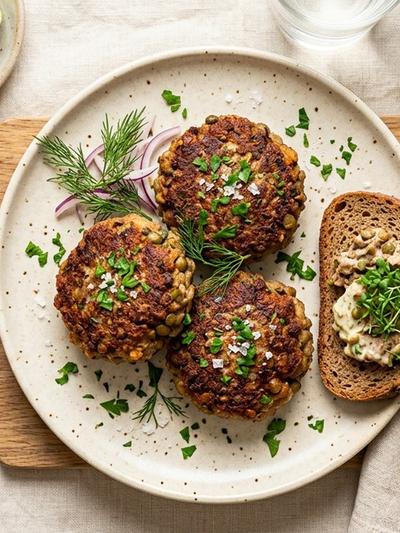
Each serving of these Nordic-style meatballs delivers 31 grams of protein from lean ground beef while staying under 280 calories. The grated beetroot folded into the meat mixture provides natural moisture and a subtle earthen sweetness without adding significant fat, and the creamy horseradish yogurt sauce contributes an additional 3.5 grams of protein per portion. This is a complete, nutrient-dense lunch you can assemble and cook in under half an hour.
The flavor here draws from the Scandinavian tradition of pairing warm spices with root vegetables and sharp condiments. Caraway seeds and a pinch of allspice give the meatballs a warm, aromatic backbone that complements the mild sweetness of the beetroot. The horseradish cream cuts through the richness cleanly, and fresh dill ties everything together with the bright, grassy note that defines Nordic cooking.
For anyone managing appetite changes on GLP-1 medication, these meatballs work particularly well. Each one is compact enough to eat in two bites, letting you pace your meal and stop when satisfied. The air fryer renders a thin, crisp exterior while the beetroot and oats trap moisture inside, so even a small serving feels substantial rather than dry or austere.
Why This Works on GLP-1
Preserving lean muscle mass is one of the most important nutritional goals during GLP-1-assisted weight loss, and these meatballs address it directly. With 31 grams of complete animal protein per serving, a portion covers roughly half the daily minimum that most dietitians recommend for people on medications like Wegovy. The protein comes almost entirely from 93% lean ground beef, which provides all essential amino acids along with bioavailable iron and B12, two nutrients that can run low when overall food intake drops.
The meatball mixture is deliberately gentle on digestion. Grated beetroot and rolled oats soften the texture and bind moisture, which means the beef stays tender without relying on added fat or heavy binders. Caraway seeds have a long folk history in Northern European cooking specifically because they ease bloating, and the horseradish cream uses Greek yogurt rather than sour cream, keeping fat low while adding beneficial probiotics.
At just 278 calories per serving, this lunch leaves plenty of room in your daily budget for balanced meals earlier and later in the day. For people on Mounjaro experiencing reduced hunger at midday, the compact portions are easy to manage. The combination of animal protein and slow-digesting rolled oats helps maintain steady blood sugar through the afternoon without the heaviness that can worsen nausea in early treatment phases.
Ingredients (serves 4)
For the meatballs:
- 1 lb (454g) 93% lean ground beef
- 1 medium beetroot (about 5 oz / 140g), peeled and finely grated
- 1 large egg
- 1/4 cup (20g) rolled oats
- 1 small yellow onion (about 2.5 oz / 70g), finely grated
- 1 1/2 teaspoons caraway seeds, lightly crushed
- 1/4 teaspoon ground allspice
- 3/4 teaspoon fine sea salt
- 1/2 teaspoon black pepper
- 2 tablespoons fresh dill, finely chopped
For the horseradish cream:
- 3/4 cup (170g) plain Greek yogurt (2% fat)
- 1 1/2 tablespoons prepared horseradish
- 1 tablespoon fresh dill, finely chopped
- 1 teaspoon lemon juice
- Pinch of fine sea salt
For the cucumber side:
- 1 large English cucumber (about 10 oz / 300g), thinly sliced
- 1 tablespoon white wine vinegar
- 1 teaspoon extra-virgin olive oil
- 1 tablespoon fresh dill, chopped
- Pinch of salt and pepper
Instructions
Make the horseradish cream and cucumber side:
- Stir together the Greek yogurt, prepared horseradish, dill, lemon juice, and salt in a small bowl. Refrigerate while you prepare the meatballs so the flavors have time to meld.
- Toss the cucumber slices with vinegar, olive oil, dill, salt, and pepper. Set aside at room temperature — the brief marination will soften the cucumber slightly and intensify the flavor.
Mix and shape the meatballs:
- Squeeze the grated beetroot gently in a clean kitchen towel to remove excess moisture. You want it damp, not dripping — keeping some moisture is what makes the meatballs tender inside.
- Combine the ground beef, squeezed beetroot, egg, rolled oats, grated onion, caraway, allspice, salt, pepper, and dill in a large bowl. Mix with your hands until just combined. Overworking makes the meatballs dense and chewy rather than tender.
- Divide the mixture into 16 equal portions (about 1.5 tablespoons each) and roll into smooth balls. Wetting your hands slightly prevents sticking and helps achieve an even shape.
Air fry the meatballs:
- Preheat the air fryer to 400°F (200°C) for 3 minutes. Lightly mist the basket with cooking spray or brush with a thin layer of oil.
- Arrange the meatballs in a single layer with about half an inch of space between each one. Air flow around each meatball is what creates the crisp exterior — crowding steams them instead.
- Cook for 12 minutes, shaking the basket gently at the 6-minute mark to rotate. The meatballs are done when the outside is golden brown and an instant-read thermometer inserted into the largest one reads 160°F (71°C).
- Let the meatballs rest in the basket for 2 minutes before serving. This redistributes the juices so they stay moist when you cut or bite into them.
Serve:
- Divide the meatballs among four plates (4 per serving). Spoon the horseradish cream alongside and pile the cucumber salad next to the meatballs. Garnish with additional fresh dill if desired.
Nutrition per Serving
| Nutrient | Amount (approx.) |
|---|---|
| Calories | ~278 kcal |
| Protein | ~31g |
| Fat | ~11g |
| Carbohydrates | ~13g |
| Fiber | ~2g |
Estimates based on 93% lean ground beef, 2% fat Greek yogurt, and standard USDA values for raw beetroot and rolled oats. Actual values may vary by brand and ingredient size.
Practical Notes
Squeeze the beetroot, but not too hard. Removing excess liquid prevents the meatball mixture from becoming soggy and falling apart in the air fryer. However, leaving some moisture is essential — it steams inside the meatball during cooking and keeps the lean beef from drying out. Aim for the texture of a wrung-out sponge, not bone dry.
These meatballs meal-prep well for 4 days. Store cooked meatballs in an airtight container in the refrigerator for up to 4 days. Reheat in the air fryer at 350°F (175°C) for 3 to 4 minutes to restore the crisp exterior. Keep the horseradish cream and cucumber salad in separate containers to prevent sogginess.
Swap the horseradish for mustard if heat is a concern. Some GLP-1 users find that horseradish triggers mild reflux. Whole grain Dijon mustard stirred into the yogurt gives a similar tangy sharpness without the sinus-clearing heat, and it pairs equally well with the caraway-scented beef.
Start with 2 to 3 meatballs if your appetite is low. During the first weeks of GLP-1 treatment, portions often need to be smaller than expected. Two meatballs with a spoonful of cream and some cucumber still give you roughly 15 grams of protein, a solid foundation for a light lunch that you can build on as your tolerance increases.
Use a box grater on the large holes for the beetroot. The large-hole side produces strands that distribute evenly through the meat without creating pockets of pure beet. Food processor grating tends to release too much liquid and can make the mixture pasty. If your hands stain from the beetroot juice, a splash of lemon juice removes it quickly.
Frequently Asked Questions
Will these meatballs cause nausea or digestive discomfort on GLP-1 medication?
Can I use a different type of beef or substitute another protein?
How should I store and reheat leftovers?
What if I can only eat very small amounts right now?
Do I need to cook the meatballs in batches?
This article provides general food and nutrition guidance only. It does not constitute medical advice. Always consult your healthcare provider regarding your GLP-1 medication and individual nutritional needs.