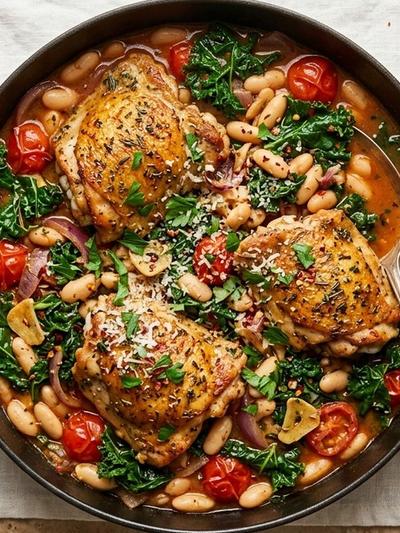
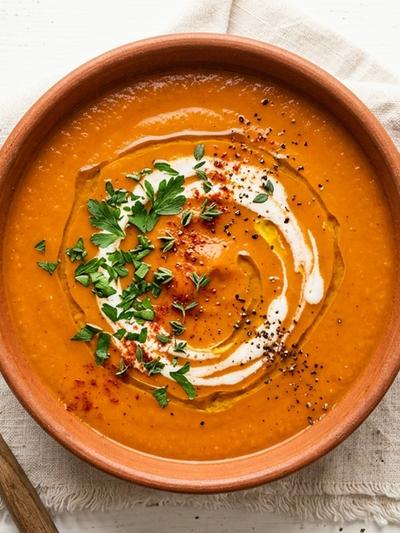
Soup is underrated as a GLP-1 lunch format. Liquid-based meals move through digestion differently than solid ones — they are gentler on a stomach already slowed by GLP-1 receptor agonists, and the warmth of broth can make eating feel accessible even on low-appetite days when solid food seems unappealing. White bean and kale soup threads the needle between comfort food and clinical utility: it is high in both protein and fiber, deeply satisfying in small portions, and holds up in the freezer for weeks.
Cannellini beans are one of the most protein-dense legumes available, with roughly 15 grams of protein per cup (cooked). When combined with a quality chicken or vegetable broth and a handful of kale, a modest bowl provides the nutritional foundation that GLP-1 users need from each meal. The key is that this density comes without the heaviness of meat or dairy — the soup is light-feeling despite its nutritional weight, which matters when your stomach signals fullness at a much lower volume than it once did.
Tuscan kale (also called lacinato or dinosaur kale) is the preferred choice here over curly kale. It softens more completely during simmering and has a less bitter flavor, making it less likely to be unpleasant on sensitive days. Diced tomatoes provide acidity and umami depth without adding complexity to the preparation. This is a one-pot recipe that realistically requires 20–25 minutes start to finish.
Why This Works on GLP-1
The combination of soluble fiber from cannellini beans and the protein content of both the beans and the broth creates sustained satiety that matches the extended gastric emptying effect of GLP-1 medications such as Zepbound and Wegovy. Rather than fighting against the medication's slowing mechanism, this soup works with it: a relatively small portion delivers meaningful nutrition and maintains satiety through the afternoon.
Soluble fiber from beans forms a gel-like substance in the gut that slows glucose absorption — complementing the blood sugar stabilizing effect of GLP-1 agonists. This synergy is meaningful: people on these medications often notice improved blood glucose management, and a high-fiber lunch supports that outcome rather than undermining it with rapidly digested carbohydrates.
The soup's liquid base is also strategically useful. GLP-1 medications can cause constipation in some users, particularly in early weeks of treatment. Adequate hydration from broth-based meals helps maintain gut motility without relying on large quantities of raw fiber that might cause gas or bloating.
Ingredients (serves 4)
- 2 cans (15 oz / 425g each) cannellini beans, drained and rinsed
- 1 bunch Tuscan (lacinato) kale, stems removed, leaves roughly chopped (about 4 cups / 120g)
- 1 can (14 oz / 400g) diced tomatoes, with juice
- 4 cups (960ml) low-sodium chicken broth or vegetable broth
- 4 cloves garlic, minced
- 1 medium yellow onion, diced
- 2 tablespoons (30ml) olive oil
- 1 teaspoon dried oregano
- ½ teaspoon red pepper flakes (optional, omit on sensitive days)
- Salt and black pepper to taste
- Optional: 1 Parmesan rind added during simmering, removed before serving
Instructions
Heat the olive oil in a large heavy-bottomed pot or Dutch oven over medium heat. Add the diced onion and cook, stirring occasionally, until softened and translucent, about 5 minutes. Do not rush this step — properly softened onion creates a flavor foundation.
Add the minced garlic and red pepper flakes (if using). Cook, stirring constantly, for 60 seconds until fragrant. Watch carefully to avoid burning the garlic, which will make the soup bitter.
Add the diced tomatoes with their juice, scraping up any bits from the bottom of the pot. Stir in the dried oregano.
Pour in the broth and bring to a gentle boil. Add the Parmesan rind if using.
Add the drained cannellini beans. Reduce heat to a steady simmer and cook for 10 minutes, allowing the beans to absorb the surrounding flavors.
Use the back of a spoon or a potato masher to lightly crush a quarter of the beans directly in the pot. This thickens the broth naturally and gives the soup body without any added thickener.
Add the chopped kale leaves. Stir to submerge them in the liquid. Simmer for an additional 5–8 minutes until the kale is fully wilted and tender.
Remove the Parmesan rind if used. Taste and adjust seasoning with salt and pepper. The soup should have good body — if it seems too thick, add broth ¼ cup at a time.
Serve in bowls at a moderate temperature, not scalding. GLP-1 users may find that very hot food triggers nausea — allow soup to cool for 2–3 minutes before eating.
Nutrition per Serving
| Nutrient | Amount (approx.) |
|---|---|
| Calories | ~290 kcal |
| Protein | ~18g |
| Fat | ~7g |
| Carbohydrates | ~38g |
| Fiber | ~12g |
Based on 4 equal servings using chicken broth and no Parmesan.
Practical Notes
Freeze in individual portions. This soup freezes exceptionally well for up to 3 months. Portion into single-serving containers immediately after cooling — this removes the decision barrier on low-energy days. Defrost overnight in the refrigerator and reheat gently on the stovetop.
Serve smaller portions initially. A full serving provides substantial fiber. If you are not accustomed to high-fiber eating, start with half a serving and increase gradually to avoid gas or bloating, which GLP-1 medications can amplify.
Omit pepper flakes on sensitive days. Spicy food can exacerbate nausea in GLP-1 users, particularly during dose escalation periods. Keep the base recipe gentle and add heat only when your digestion feels stable.
Broth quality matters. Use a low-sodium broth with real ingredients listed — the flavor of the finished soup depends heavily on the broth since the seasoning profile is otherwise simple. Sodium content in canned broth varies widely; check labels.
The kale will continue to soften overnight. If you prefer firmer kale texture, store the soup without the kale and add fresh kale each time you reheat a portion. This adds 5 minutes to reheating but preserves texture across multiple servings.
Add a protein boost on higher-appetite days. A poached egg floated into a reheated bowl, or a small portion of shredded rotisserie chicken stirred in, increases protein to 25–30 grams per serving without disrupting the soup's character.
Frequently Asked Questions
Can this soup cause bloating or gas on GLP-1 medication?
How does this soup hold up in the freezer, and how should I reheat it?
Can I use curly kale instead of Tuscan kale?
Is this soup filling enough to be a complete meal, or do I need to add protein?
Can I make this soup vegetarian or vegan and maintain the protein content?
This article provides general food and nutrition guidance only. It does not constitute medical advice. Always consult your healthcare provider regarding your GLP-1 medication and individual nutritional needs.