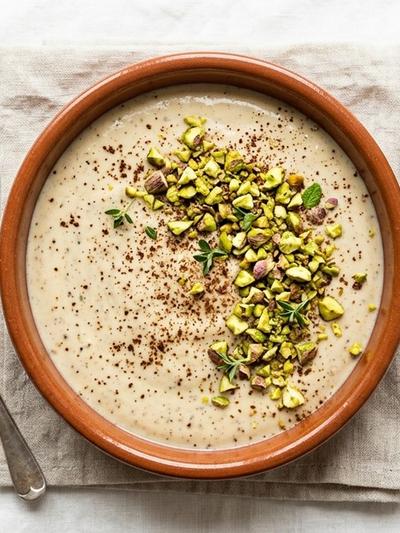
Each serving of this pumpkin pie custard packs roughly 30 grams of protein from a combination of eight whole eggs, low-fat cottage cheese blended until silky, and a scoop of vanilla protein powder. One can of pure pumpkin puree delivers beta-carotene, potassium, and about 3 grams of soluble fiber per portion, all for under 380 calories. The nutrition here is dense enough to register as a real dessert without triggering the blood sugar spike that comes with a traditional slice of pie.
The flavor is the best part of autumn in custard form. Pumpkin pie spice — cinnamon, nutmeg, ginger, allspice — blooms gently during the slow, low-heat cook, while pure maple syrup adds a rounded sweetness that granulated sugar cannot match. The cottage cheese base, once blended smooth, creates a texture somewhere between crème caramel and a thick New York cheesecake, and the buttery graham cracker crumble spooned on top just before serving gives each bite the crunch and nostalgia of an actual pumpkin pie crust.
For GLP-1 users, this is a dessert that works within realistic appetite limits. A single ramekin-sized portion feels complete, not like a fraction of something larger, because the egg and dairy protein slow gastric emptying on top of what your medication already does. The slow cooker format is forgiving — no watching, no risk of a cracked surface — and the hands-on time is under fifteen minutes, which matters on evenings when your energy and appetite are both modest.
Why This Works on GLP-1
Thirty grams of protein per dessert serving is unusually high for a sweet dish, and for people on semaglutide (Ozempic, Wegovy) or tirzepatide (Mounjaro, Zepbound), that number matters. GLP-1 medications accelerate weight loss, and without adequate protein at every eating occasion — dessert included — a meaningful share of that loss comes from lean muscle rather than fat. Two eggs and a generous portion of cottage cheese per serving supply the full essential amino acid profile, including leucine, the amino acid most directly linked to muscle protein synthesis.
The soluble fiber from pumpkin puree forms a gel in the stomach that further slows digestion, complementing the delayed gastric emptying your medication already produces. This means the custard sits comfortably rather than causing that heavy, overfull sensation that can follow richer desserts. The fat content, at 15 grams per serving, is moderate — enough for satiety and fat-soluble vitamin absorption, but well below the threshold where GLP-1 users commonly report nausea.
Pumpkin is also one of the better sources of potassium among common baking ingredients, contributing roughly 250 milligrams per serving. This is relevant because GLP-1 medications can increase fluid loss, particularly in the early weeks, and maintaining electrolyte balance helps manage the fatigue and lightheadedness some users report.
Ingredients (serves 4)
For the custard:
- 8 large eggs
- 1 1/2 cups (340g) low-fat cottage cheese
- 1 can (15 oz / 425g) pure pumpkin puree (not pumpkin pie filling)
- 1/4 cup (32g) vanilla whey protein powder
- 3 tablespoons (45ml) pure maple syrup
- 2 teaspoons pumpkin pie spice
- 1 teaspoon vanilla extract
- 1/4 teaspoon fine sea salt
- Nonstick cooking spray for the insert
For the graham crumble topping:
- 3 full graham cracker sheets (42g), crushed into coarse crumbs
- 1 tablespoon (14g) unsalted butter, melted
- 1 tablespoon (12g) light brown sugar
Instructions
Prepare the custard base:
Add the cottage cheese to a blender or food processor and blend for 60 to 90 seconds until completely smooth, scraping down the sides once. This step is not optional — visible curds will leave the finished custard grainy rather than silky.
Crack all 8 eggs into a large mixing bowl and whisk until the yolks and whites are fully combined. Add the blended cottage cheese, pumpkin puree, protein powder, maple syrup, pumpkin pie spice, vanilla extract, and salt. Whisk steadily until the batter is uniform in color with no streaks of orange or white. Do not use an electric mixer — you want to incorporate ingredients, not aerate them, because trapped air creates a spongy texture instead of a dense custard.
Lightly coat the inside of a 4- to 6-quart slow cooker insert with nonstick cooking spray. Pour the custard batter into the prepared insert and smooth the surface with a spatula.
Cook low and slow:
Place a clean, folded kitchen towel or a double layer of paper towels across the top of the insert before setting the lid in place. The towel catches the condensation that would otherwise drip back onto the custard surface and create a watery top layer. This is the single biggest difference between a professional-looking slow cooker custard and a soggy one.
Cook on LOW for 2 1/2 to 3 hours. The custard is done when the edges are firmly set and the center has a slight jiggle — similar to how panna cotta moves when you tap the dish. A toothpick inserted one inch from the center should come out clean or with just a faint film. The center will continue to firm as it cools.
Turn off the slow cooker, remove the lid and towel, and let the custard cool in the insert for 30 minutes. Then transfer to the refrigerator uncovered for at least 2 hours, or until fully chilled and set. The custard firms significantly as it cools and is best served cold or at room temperature.
Make the graham crumble:
While the custard chills, combine the crushed graham crackers, melted butter, and brown sugar in a small bowl. Toss with a fork until the crumbs are evenly coated. Spread the mixture on a small plate and let it sit at room temperature — the butter will bind the crumbs into clumps as it resolves. Alternatively, toast the crumble in a dry skillet over medium heat for 2 to 3 minutes, stirring constantly, until fragrant and lightly golden for extra crunch.
Spoon the chilled custard into four bowls and top each with a quarter of the graham crumble just before serving. Adding the crumble too early softens it into mush.
Nutrition per Serving
| Nutrient | Amount (approx.) |
|---|---|
| Calories | ~380 kcal |
| Protein | ~30g |
| Fat | ~15g |
| Carbohydrates | ~32g |
| Fiber | ~3g |
Estimates based on large eggs, 1% milkfat cottage cheese, canned pumpkin puree, standard vanilla whey protein isolate, and full-sheet graham crackers.
Practical Notes
Make it ahead and it only gets better. This custard improves after 12 to 24 hours in the refrigerator as the flavors meld and the texture firms into its final, sliceable consistency. Store covered in the slow cooker insert or transfer to an airtight container. It keeps well for up to 4 days refrigerated. Add the graham crumble only to the portions you are eating immediately.
Swap the protein powder if you need to. Casein protein powder works even better than whey here because it thickens more during cooking and produces a denser, more traditional custard texture. Plant-based protein powders (pea or rice blend) also work but can add a slightly chalky note — compensate with an extra half teaspoon of vanilla. Skip unflavored powder unless you increase the maple syrup by a tablespoon.
Portion this for early-phase appetites. If you are in the first weeks of a new GLP-1 dose and your appetite is very small, divide the custard into six portions instead of four. Each smaller serving still delivers about 20 grams of protein and 253 calories — a meaningful dessert that will not overwhelm a suppressed appetite. The graham crumble can be halved proportionally.
Use the right pumpkin. Pure pumpkin puree (the kind labeled "100% pumpkin") is the correct product. Pumpkin pie filling, which is pre-sweetened and pre-spiced, will throw off both the nutrition and the flavor balance. If you only find pie filling, omit the maple syrup and reduce the pumpkin pie spice to half a teaspoon.
The towel trick is non-negotiable. Slow cookers generate substantial condensation, and without the towel barrier, water drips back onto the custard for three hours straight. The result is a wet, separated surface that no amount of chilling can fix. A flour-sack kitchen towel works best because it absorbs without sagging into the food. Paper towels are the backup — use two layers and check that they do not touch the custard surface.
Frequently Asked Questions
Can I eat this warm right out of the slow cooker?
I am lactose intolerant — can I replace the cottage cheese?
How should I store and reheat leftovers?
My appetite is very small on my current GLP-1 dose — is this too heavy?
Can I make individual custards in ramekins inside the slow cooker?
This article provides general food and nutrition guidance only. It does not constitute medical advice. Always consult your healthcare provider regarding your GLP-1 medication and individual nutritional needs.