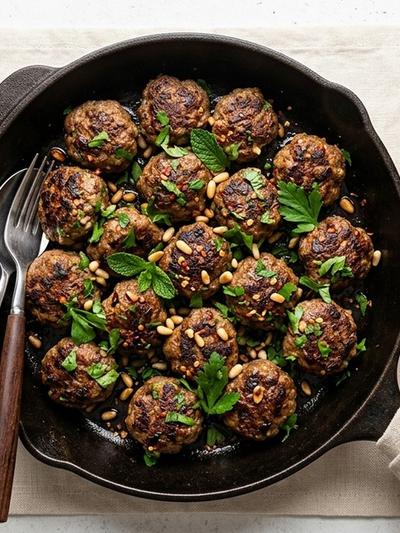
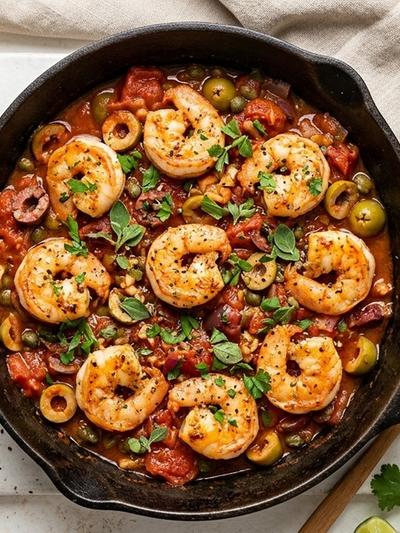
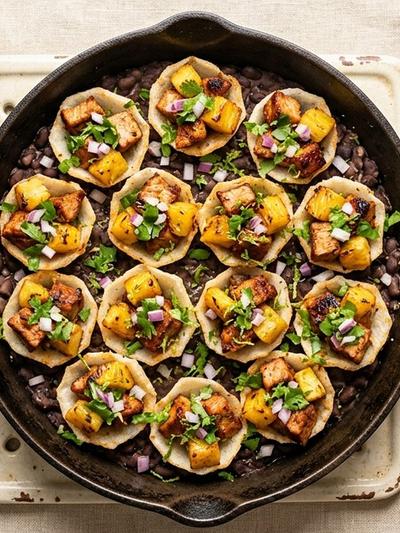
Each serving of this skillet beef picadillo delivers roughly 35 grams of protein from lean ground beef and black beans, with only 330 calories. The combination of cumin-seasoned meat, tender zucchini, and earthy black beans creates a nutrient-dense snack that keeps you full without weighing you down. A two-tablespoon drizzle of lime-spiked Greek yogurt adds tang and an extra protein boost.
Mexican picadillo is traditionally a quick stovetop dish of ground meat simmered with tomatoes, spices, and vegetables. This version leans into smoky cumin and a touch of oregano, while diced zucchini replaces the starchier potato found in some regional variations. The result is savory, slightly smoky, and bright from a squeeze of fresh lime — the kind of thing you eat straight from the pan and wish you had made more of.
Served in butter lettuce cups rather than tortillas, this snack stays light and easy to digest. The lettuce provides a cool, crisp vessel that contrasts the warm filling, and the smaller portions are ideal for GLP-1 users who find that a little goes a long way. Everything cooks in a single skillet in under twenty-five minutes, making it a realistic weeknight snack or a meal prep component you can reheat all week.
Why This Works on GLP-1
Each serving provides approximately 35 grams of complete protein, primarily from 93% lean ground beef supplemented by black beans. Maintaining adequate protein intake is critical during GLP-1-assisted weight loss because medications like Mounjaro and Wegovy can reduce appetite so significantly that muscle mass is at risk if protein falls too low. Most guidelines recommend 25–40 grams of protein per meal or substantial snack, and this dish sits squarely in that range without requiring an enormous portion.
The black beans contribute both soluble fiber and resistant starch, which support steady blood sugar and feed beneficial gut bacteria. At 5 grams of fiber per serving, the amount is meaningful but gentle — important because GLP-1 medications already slow gastric emptying, and excessive fiber can cause uncomfortable bloating. The zucchini adds bulk and hydration without significant caloric density.
Lean ground beef is one of the most bioavailable sources of iron and B12, two nutrients that can become depleted during extended calorie restriction. The cumin in this recipe also contains small amounts of iron, and the lime juice enhances vitamin C availability, which in turn improves non-heme iron absorption from the beans.
Ingredients (serves 4)
For the picadillo:
- 1¼ lb (567g) 93% lean ground beef
- 1 can (15 oz / 425g) black beans, drained and rinsed
- 1 medium zucchini (about 7 oz / 200g), diced small
- 1 medium yellow onion, finely diced
- 2 cloves garlic, minced
- 1 can (14.5 oz / 411g) diced fire-roasted tomatoes
- 1½ tsp ground cumin
- 1 tsp smoked paprika
- ½ tsp dried Mexican oregano
- ½ tsp fine sea salt
- ¼ tsp black pepper
- 1 tsp olive oil
- 1 tbsp fresh lime juice
For the lime yogurt:
- ½ cup (120g) plain nonfat Greek yogurt
- 1 tbsp fresh lime juice
- ¼ tsp ground cumin
- Pinch of salt
For serving:
- 8–12 butter lettuce leaves (about 1 large head)
- 2 tbsp fresh cilantro, roughly chopped
- 1 small jalapeño, thinly sliced (optional)
Instructions
Make the lime yogurt:
- Stir together the Greek yogurt, lime juice, cumin, and salt in a small bowl. Set aside in the refrigerator — making this first lets the flavors meld while you cook.
Cook the picadillo:
Heat the olive oil in a large nonstick skillet or well-seasoned cast-iron pan over medium-high heat. Add the diced onion and cook for 3–4 minutes, stirring occasionally, until softened and translucent. The onion creates a flavorful base and adds natural sweetness to the dish.
Add the ground beef, breaking it into small crumbles with a wooden spoon or spatula. Cook for 5–6 minutes until the meat is browned and no pink remains. If any fat pools in the pan, tilt the skillet and blot it away with a paper towel — 93% lean beef renders very little, but removing any excess keeps the dish light.
Add the garlic, cumin, smoked paprika, and oregano. Stir everything together and cook for 30 seconds until the spices become fragrant. Toasting the spices briefly in the hot fat blooms their essential oils and deepens the flavor significantly compared to adding them later.
Add the diced zucchini and cook for 2 minutes, stirring once or twice, until it just begins to soften but still has some bite. Overcooking zucchini makes it watery, so keep the heat up and the time short.
Pour in the fire-roasted tomatoes with their juices and add the drained black beans. Stir to combine, then reduce the heat to medium. Let the mixture simmer for 5–6 minutes until the liquid has reduced by about half and the filling holds together without being soupy. Season with salt, pepper, and lime juice. Taste and adjust.
Assemble and serve:
- Separate the butter lettuce into individual cups and arrange on a plate. Spoon the warm picadillo into each lettuce cup, dividing evenly — you should get 2–3 generously filled cups per serving. Drizzle with lime yogurt, scatter cilantro over the top, and add jalapeño slices if you like a little heat.
Nutrition per Serving
| Nutrient | Amount (approx.) |
|---|---|
| Calories | ~330 kcal |
| Protein | ~35g |
| Fat | ~13g |
| Carbohydrates | ~18g |
| Fiber | ~5g |
Estimates based on 93% lean ground beef, canned black beans, nonfat Greek yogurt, and standard produce weights. Actual values may vary by brand.
Practical Notes
Meal prep storage. The cooked picadillo filling keeps well in airtight containers in the refrigerator for up to 4 days. Store the lime yogurt and lettuce separately to prevent sogginess. Reheat the filling in a skillet over medium heat or microwave for 60–90 seconds before assembling.
Swap the lettuce cups for other vessels. If you prefer something heartier, spoon the picadillo into small whole wheat tortillas, over a bed of cauliflower rice, or into mini bell pepper halves. Each option changes the carb count slightly but keeps the protein ratio intact.
Managing portion sizes on GLP-1. If your appetite is especially suppressed, start with one filled lettuce cup and wait 15–20 minutes before reaching for a second. The protein and fiber content means even a half-serving provides meaningful nutrition. You can always refrigerate the rest for later.
Beef substitutions. Ground turkey (93% lean) or ground chicken work well here with minimal changes — just add an extra half teaspoon of cumin to compensate for the milder flavor. For a plant-based version, use extra-firm crumbled tofu and increase the black beans to a full can and a half.
Scaling for a crowd. This recipe doubles easily in a large 12-inch skillet. It makes excellent party food — set out a platter of lettuce cups with the filling in a warm bowl and the yogurt alongside. The small portions and handheld format work naturally for appetizer-style serving.
Frequently Asked Questions
Is this filling too heavy for a snack on GLP-1 medication?
Can I use regular ground beef instead of 93% lean?
How long does the assembled version last in the fridge?
What if I am in the early weeks of GLP-1 and can barely eat?
Can I make this less smoky or adjust the spice level?
This article provides general food and nutrition guidance only. It does not constitute medical advice. Always consult your healthcare provider regarding your GLP-1 medication and individual nutritional needs.