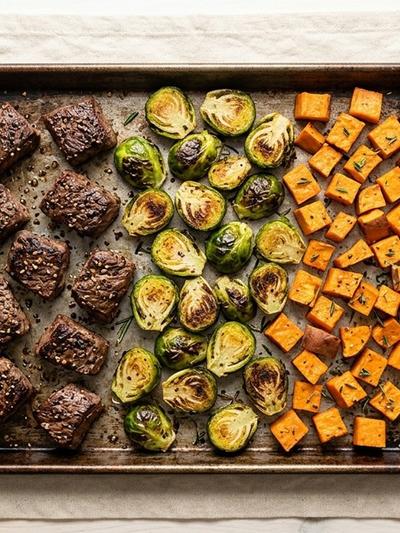
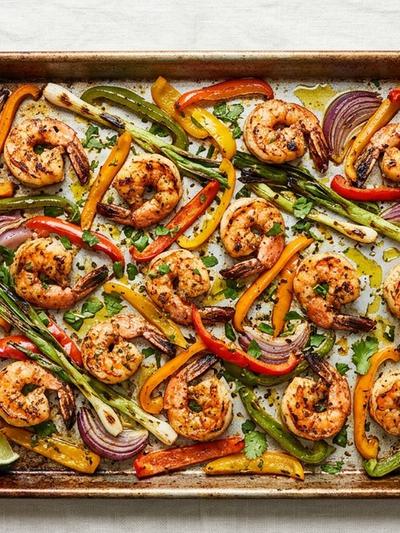
Each serving of this Korean-inspired sheet pan dinner delivers 36 grams of protein and only 335 calories, built around thinly sliced flank steak marinated in a traditional bulgogi-style glaze of soy sauce, Asian pear, sesame, and garlic. The broccoli florets and red bell pepper strips roast alongside the beef, picking up caramelized edges from the marinade that drips onto the pan. You get a complete, balanced dinner from a single sheet pan with minimal cleanup.
The flavor profile here is unmistakably Korean — sweet, savory, and deeply aromatic with toasted sesame and fresh scallions. Asian pear in the marinade does double duty: it tenderizes the flank steak through natural enzymes while adding a subtle fruity sweetness that balances the soy sauce. The roasted broccoli develops nutty, charred tips that contrast beautifully with the tender, caramelized beef.
This recipe is particularly well-suited for GLP-1 users because the concentrated flavors satisfy in smaller portions. The thin-sliced beef is easy to digest and quick to chew thoroughly, which matters when appetite is reduced. Sheet pan cooking also means you can scale your own portion down while still preparing enough for meal prep or family members eating larger servings.
Why This Works on GLP-1
Flank steak is one of the leanest cuts of beef available, and at 36 grams of protein per serving, this dish provides roughly half the daily protein many Wegovy and Mounjaro users need to preserve muscle mass during weight loss. Protein preservation is a genuine concern on GLP-1 medications — studies consistently show that higher protein intake helps maintain lean body mass when losing weight rapidly. The combination of animal protein with fiber-rich vegetables creates a meal that keeps you satisfied for hours without the heaviness of fattier beef cuts. This matters because GLP-1 medications slow gastric emptying, and lighter proteins move through more comfortably.
The broccoli and bell peppers contribute 5 grams of fiber per serving — enough to support gut health without the bloating risk that comes from very high-fiber meals. Broccoli is also rich in sulforaphane, a compound with documented anti-inflammatory properties, which can be helpful since some GLP-1 users experience mild digestive inflammation during dose adjustments.
The marinade uses just two teaspoons of sesame oil across four servings, keeping total fat to 12 grams per serving while still delivering the rich, nutty flavor that makes bulgogi irresistible. At 335 calories, this dinner leaves room for a small side of steamed rice if your appetite allows it, or stands perfectly well on its own as a complete meal.
Ingredients (serves 4)
For the bulgogi marinade:
- 3 tablespoons (45ml) reduced-sodium soy sauce
- 1 tablespoon (15ml) rice vinegar
- 2 teaspoons (10ml) toasted sesame oil
- 1 tablespoon (15ml) honey
- 1/2 medium Asian pear, grated (about 1/3 cup / 60g) — or substitute 2 tablespoons unsweetened applesauce
- 3 cloves garlic, minced
- 1 teaspoon freshly grated ginger
- 1/4 teaspoon black pepper
For the sheet pan:
- 1 1/4 pounds (565g) flank steak, sliced against the grain into 1/4-inch strips
- 3 cups (215g) broccoli florets, cut into bite-sized pieces
- 2 medium red bell peppers, cut into 1-inch strips
- 1 medium yellow onion, cut into thin wedges
- Cooking spray
For serving:
- 2 scallions, thinly sliced
- 1 teaspoon sesame seeds
- Lime wedges (optional)
Instructions
Prepare the marinade and beef:
- Whisk together soy sauce, rice vinegar, sesame oil, honey, grated Asian pear, garlic, ginger, and black pepper in a medium bowl. The grated pear creates a slightly thick, clingy marinade — this is what helps it caramelize on the sheet pan rather than just pooling.
- Add the sliced flank steak to the marinade and toss to coat evenly. Set aside while you prepare the vegetables — even 10 minutes of contact time makes a noticeable difference in flavor penetration with thin-cut beef.
Prepare the sheet pan:
- Position an oven rack in the upper third of the oven and preheat to 425°F (220°C). Line a large rimmed sheet pan with parchment paper and lightly coat with cooking spray.
- Spread the broccoli florets, bell pepper strips, and onion wedges in a single layer on the prepared pan. A single layer is critical — crowded vegetables steam rather than roast, and you want caramelized edges.
- Roast the vegetables for 10 minutes. This head start ensures they are tender by the time the beef finishes, since thin-sliced steak cooks much faster than dense vegetables.
Add the beef and finish:
- Remove the pan from the oven. Push the partially roasted vegetables to the edges and arrange the marinated beef strips in the center in a single layer, shaking off excess marinade back into the bowl.
- Drizzle the remaining marinade over the vegetables — it will caramelize into a glaze during the final roast.
- Return the pan to the upper rack and roast for 8 to 10 minutes, until the beef edges are lightly charred and the internal temperature reaches 145°F (63°C). The thin slices cook quickly, so check at 8 minutes to avoid overcooking.
- Remove from the oven and let rest on the pan for 2 minutes. Scatter with sliced scallions and sesame seeds. Serve with lime wedges if desired — the acid brightens every element on the plate.
Nutrition per Serving
| Nutrient | Amount (approx.) |
|---|---|
| Calories | ~335 kcal |
| Protein | ~36g |
| Fat | ~12g |
| Carbohydrates | ~22g |
| Fiber | ~5g |
Estimates based on 1 1/4 lb flank steak divided among 4 servings, with reduced-sodium soy sauce and measured sesame oil.
Practical Notes
Slice the steak partially frozen for perfect thin cuts. Place the flank steak in the freezer for 20 to 30 minutes before slicing — the firmer texture makes it dramatically easier to cut thin, even strips. This is the same technique Korean home cooks use, and it is the single biggest difference between restaurant-quality bulgogi and chewy homemade versions.
Meal prep stores well for 4 days. Divide into individual containers with the vegetables and refrigerate. Reheat in a 375°F oven for 6 to 8 minutes or microwave for 90 seconds. The beef stays tender because the marinade's acidity and sugar create a glaze that locks in moisture even after reheating.
For very small appetites, serve over shredded lettuce. If you are in the early weeks of Ozempic or Mounjaro and eating very small portions, place your serving over crisp butter lettuce or romaine. The cool crunch contrasts the warm beef, and the added volume helps the smaller protein portion feel like a complete meal.
Swap broccoli for broccolini or green beans. Both work with the same timing and temperature. Asparagus also roasts beautifully here but cut it into 2-inch pieces so it does not overcook while the beef finishes. Avoid substituting root vegetables — they need significantly longer cooking times and would require a different approach.
Add gentle heat with gochugaru instead of chili flakes. Korean red pepper flakes (gochugaru) provide a fruity, mild warmth that is easier on GLP-1-sensitive stomachs than crushed red pepper or sriracha. Start with half a teaspoon mixed into the marinade and adjust from there. Many GLP-1 users find they tolerate gentle, slow-building heat better than sharp spiciness.
Frequently Asked Questions
Will this recipe cause nausea if I'm in my first month on GLP-1 medication?
Can I use a different cut of beef instead of flank steak?
How should I store and reheat leftovers?
What if I can only eat a very small portion right now?
I don't have Asian pear — what should I use instead?
This article provides general food and nutrition guidance only. It does not constitute medical advice. Always consult your healthcare provider regarding your GLP-1 medication and individual nutritional needs.