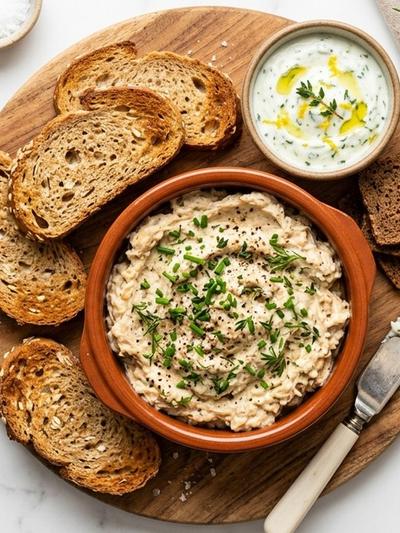
Each serving of these French-inspired bites delivers 27 grams of protein from a combination of lean ground chicken breast and cannellini beans, all in a snack-sized portion under 220 calories. The white beans contribute not only extra protein but also a creamy interior texture that keeps the bites moist without added fat. A quick tarragon-Dijon yogurt dip rounds out each serving with an additional protein boost from Greek yogurt.
The flavor here draws from classic French bistro cooking — Dijon mustard folded into the mixture adds a warm, sharp bite that mellows in the oven, while dried herbes de Provence bring lavender and thyme notes to every piece. A light brush of olive oil before roasting creates golden, slightly crispy exteriors that give way to tender, herb-flecked centers. The tarragon yogurt dip ties everything together with a bright anise-like freshness that cuts through the savory richness.
As a snack for GLP-1 users, these bites hit the mark on multiple fronts. The small, two-bite size makes them easy to eat when appetite is limited, and the high protein density means even three or four bites deliver meaningful nutrition. Sheet-pan roasting keeps preparation minimal and cleanup simple — exactly the kind of low-effort cooking that works when medication side effects make the kitchen feel overwhelming.
Why This Works on GLP-1
Preserving lean muscle mass is one of the most important nutritional goals during GLP-1-assisted weight loss, and these bites make it easy to hit protein targets between meals. Each serving provides 27 grams of complete protein, primarily from ground chicken breast — a lean source that digests gently without the heaviness of fattier meats. For people taking Mounjaro or similar GLP-1 medications, having a high-protein snack ready in the fridge means you can make the most of those brief windows when appetite does appear. The combination of animal and plant protein from the chicken and white beans provides a fuller amino acid profile than either source alone.
The cannellini beans contribute soluble fiber that supports steady blood sugar levels and feeds beneficial gut bacteria — both relevant concerns for GLP-1 users. Because the beans are mashed and incorporated into the bites rather than eaten whole, they are gentler on digestion than a straight bean dish, reducing the bloating risk that can compound the gastrointestinal effects of medication.
At only 6 grams of fat per serving, these bites avoid the heavy, greasy quality that often triggers nausea in people on Wegovy or other semaglutide medications. The modest carbohydrate content of 12 grams per serving comes almost entirely from the beans and a small amount of breadcrumb binder, providing just enough energy to complement the protein without causing blood sugar spikes.
Ingredients (serves 4)
For the chicken and white bean bites:
- 1 lb (450g) lean ground chicken breast
- 1 cup (170g) canned cannellini beans, drained and rinsed
- 1 tablespoon Dijon mustard
- 1 large egg white
- 3 tablespoons (20g) whole wheat panko breadcrumbs
- 1 teaspoon dried herbes de Provence
- 1 clove garlic, finely minced
- 1 tablespoon fresh flat-leaf parsley, finely chopped
- ½ teaspoon fine sea salt
- ¼ teaspoon freshly ground black pepper
- 1 teaspoon olive oil (for brushing)
For the tarragon-Dijon yogurt dip:
- ½ cup (120g) plain nonfat Greek yogurt
- 1 tablespoon Dijon mustard
- 1 tablespoon fresh tarragon, finely chopped (or 1 teaspoon dried)
- 1 teaspoon lemon juice
- Pinch of salt
Instructions
Prepare the white beans and mixture:
Preheat your oven to 425°F (220°C) and line a sheet pan with parchment paper. The high heat is key — it creates a golden crust on the outside of each bite while keeping the interior moist, which matters because lean ground chicken can dry out quickly at lower temperatures.
Place the drained cannellini beans in a mixing bowl and mash them with a fork until mostly broken down but still slightly chunky. You want some texture remaining — completely smooth beans make the mixture too soft to hold its shape, while leaving some pieces intact adds pleasant bursts of creaminess inside each bite.
Add the ground chicken, egg white, Dijon mustard, breadcrumbs, herbes de Provence, garlic, parsley, salt, and pepper to the bowl with the mashed beans. Mix with your hands or a spatula until everything is evenly combined. The mixture will be quite moist — this is correct. The egg white and mustard act as binders that firm up during roasting.
Shape and roast the bites:
Using wet hands to prevent sticking, portion the mixture into 20 small balls, about 1½ tablespoons each. Place them on the prepared sheet pan with at least an inch of space between each bite. Spacing matters because crowded bites steam rather than roast, which prevents the browning you want.
Lightly brush or spray the tops of each bite with olive oil. This thin coating is all you need to promote browning — the Dijon mustard in the mixture also contains oil that helps from the inside.
Roast for 14–16 minutes, turning each bite over at the 8-minute mark. They are done when golden brown on both sides and the internal temperature reaches 165°F (74°C). The bites will feel slightly firm to the touch but should still have some give in the center.
Make the tarragon-Dijon yogurt dip:
- While the bites roast, stir together the Greek yogurt, Dijon mustard, tarragon, lemon juice, and a pinch of salt in a small bowl. Taste and adjust the mustard or lemon to your preference. If using dried tarragon, let the dip sit for five minutes so the herb rehydrates and releases its flavor.
Serve:
- Let the bites cool on the pan for 2–3 minutes before transferring to a plate. Serve five bites per person with a generous spoonful of the tarragon yogurt alongside. The brief rest lets the bites firm up slightly, making them easier to pick up and eat by hand.
Nutrition per Serving
| Nutrient | Amount (approx.) |
|---|---|
| Calories | ~215 kcal |
| Protein | ~27g |
| Fat | ~6g |
| Carbohydrates | ~12g |
| Fiber | ~3g |
Estimates based on lean ground chicken breast (99% fat-free), canned cannellini beans, nonfat Greek yogurt, and measured oil for brushing. Actual values may vary by brand.
Practical Notes
Meal prep storage. These bites refrigerate beautifully for up to four days in an airtight container. Store the yogurt dip separately to keep it fresh. Reheat the bites in a 375°F oven for 5–6 minutes or eat them cold straight from the fridge — they taste surprisingly good chilled, almost like a French-style chicken terrine.
Freezer-friendly batch cooking. Freeze the cooked bites in a single layer on a sheet pan until solid, then transfer to a freezer bag. They keep for up to two months. Reheat from frozen in the oven at 400°F for 10–12 minutes. Make a double batch and you have weeks of protein-dense snacks ready to go.
Ground turkey substitution. Lean ground turkey breast works identically in this recipe with no other changes needed. The flavor profile shifts slightly — turkey is milder — so you may want to add an extra teaspoon of Dijon to compensate. Avoid regular ground turkey (which includes dark meat and skin) as it roughly doubles the fat content.
Portion flexibility for smaller appetites. If you are in the early weeks of GLP-1 treatment and eating very small amounts, two or three bites with a spoonful of dip still delivers 11–16 grams of protein. That is a meaningful contribution to your daily target even when a full serving feels like too much food.
Breadcrumb alternatives. For a lower-carb version, substitute the panko with 2 tablespoons of almond flour. The bites will be slightly more tender and less crispy on the outside, but the protein content actually increases marginally. Gluten-free panko also works with no change to the recipe.
Frequently Asked Questions
Can I eat these bites if I am experiencing nausea from my GLP-1 medication?
What can I use instead of cannellini beans?
How should I reheat these for best results?
I am in my first month on Zepbound and can only eat tiny amounts. How should I approach this recipe?
Can I shape and freeze these bites raw before baking?
This article provides general food and nutrition guidance only. It does not constitute medical advice. Always consult your healthcare provider regarding your GLP-1 medication and individual nutritional needs.