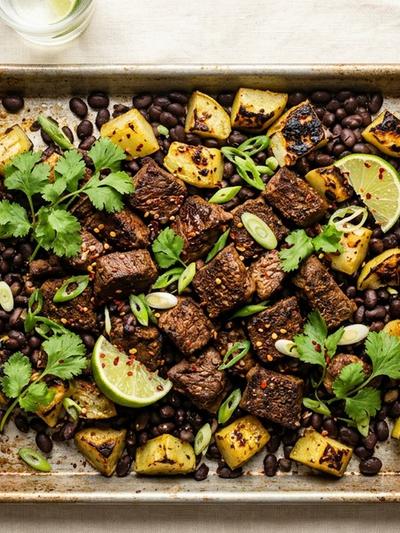
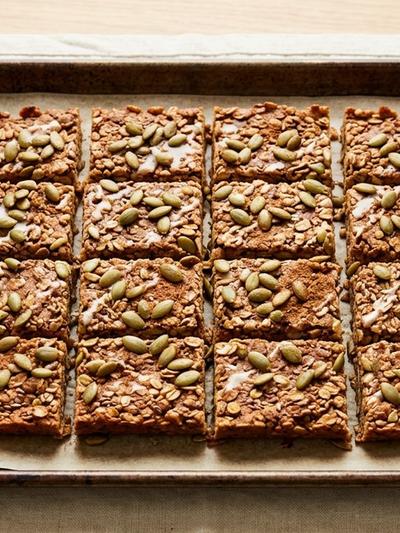
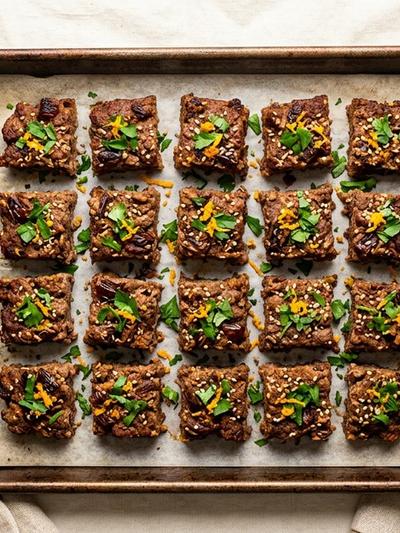
Each serving of these Caribbean-spiced beef and guava bites delivers 28 grams of protein from 95% lean ground beef, bound with egg whites and cottage cheese for moisture without added fat. The combination of allspice, cinnamon, and nutmeg — the signature trio of Caribbean baking — transforms savory ground beef into something that reads unmistakably as a sweet treat. At just 275 calories per serving with 8 grams of fat, these bites pack nutritional density into a compact, satisfying format.
Guava paste, known as pasta de guayaba across the Caribbean, brings a fragrant, concentrated sweetness that pairs naturally with warm spices and the mineral richness of beef. A small amount — just three tablespoons for the entire batch — delivers intense tropical flavor without excessive sugar. The oats and ground flaxseed give each bite a tender, slightly chewy interior, while the toasted coconut exterior adds a delicate crunch that makes these feel far more indulgent than their macros suggest.
Sheet-pan baking keeps this recipe hands-off and produces consistent results every time. The small bite format — roughly one-inch rounds — is ideal for GLP-1 users who need portion flexibility. You can eat two or three bites when appetite is low, or enjoy a full serving of five to six when hunger allows, without the pressure of finishing a full dessert portion.
Why This Works on GLP-1
Muscle preservation is one of the most important nutritional considerations during GLP-1-assisted weight loss. These bites deliver 28 grams of complete protein per serving, primarily from lean ground beef, which provides all essential amino acids including leucine — the key trigger for muscle protein synthesis. For people on Wegovy or similar GLP-1 medications, finding protein-rich foods that feel like treats rather than obligations makes hitting daily protein targets significantly easier. The cottage cheese and egg whites add additional protein without changing the sweet flavor profile.
The rolled oats and ground flaxseed contribute 3 grams of fiber per serving, providing gentle bulk that supports digestive regularity. Since GLP-1 medications slow gastric emptying, the moderate fiber content here adds substance without the bloating risk that comes with very high-fiber desserts. The oats also create a softer, more digestible texture compared to flour-based baked goods.
The allspice and cinnamon in this recipe do more than add flavor. Cinnamon has been studied for its potential role in supporting stable blood sugar responses, which complements the glucose-regulating effects of GLP-1 medications. The moderate carbohydrate content — just 19 grams per serving — comes from whole food sources rather than refined sugar, providing steady energy without the sharp insulin spike of conventional sweets.
Ingredients (serves 4)
For the beef bites:
- 1 lb (454g) 95% lean ground beef
- 1/4 cup (60g) low-fat cottage cheese
- 2 large egg whites
- 1/2 cup (40g) rolled oats
- 2 tablespoons (14g) ground flaxseed
- 3 tablespoons (45g) guava paste, finely diced
- 1 tablespoon (21g) blackstrap molasses
- 1 teaspoon ground allspice
- 1/2 teaspoon ground cinnamon
- 1/4 teaspoon freshly grated nutmeg
- 1 teaspoon vanilla extract
- 1/2 teaspoon fine sea salt
- Zest of 1 lime
For the coconut topping:
- 3 tablespoons (15g) unsweetened shredded coconut
- 1/4 teaspoon ground allspice
Instructions
Prepare the mixture:
Preheat your oven to 375°F (190°C) and line a large sheet pan with parchment paper. Parchment prevents sticking without added oil and makes cleanup effortless.
Pulse the rolled oats in a food processor or blender 4–5 times until they break down into a coarse flour — some larger pieces are fine and add texture. If you don't have a processor, place the oats in a zip-top bag and crush with a rolling pin.
In a large bowl, combine the ground beef, cottage cheese, egg whites, processed oats, ground flaxseed, molasses, allspice, cinnamon, nutmeg, vanilla extract, salt, and lime zest. Mix with your hands or a fork until just combined — overmixing makes the bites dense and tough.
Dice the guava paste into small pieces, roughly 1/4-inch cubes. Fold them gently into the beef mixture so they stay in distinct pockets rather than dissolving evenly. These pockets create bursts of sweet, fruity flavor in the finished bites.
Shape and bake:
Using a tablespoon measure or small cookie scoop, portion the mixture into rounds about 1 inch (2.5 cm) in diameter. You should get 20–24 bites. Place them on the prepared sheet pan with about an inch of space between each — they won't spread much, but airflow helps them brown evenly.
In a small bowl, mix the shredded coconut with the 1/4 teaspoon allspice. Press a small pinch of the coconut mixture onto the top of each bite. The coconut toasts during baking and creates an aromatic, crunchy cap.
Bake for 16–18 minutes, rotating the pan halfway through. The bites are done when they're firm to the touch, lightly browned on the bottom, and the coconut topping is golden. The internal temperature should reach 160°F (71°C).
Let the bites cool on the pan for 5 minutes before transferring to a wire rack. They firm up as they cool, so resist the urge to test one immediately — though they're also good warm if you can't wait.
Nutrition per Serving
| Nutrient | Amount (approx.) |
|---|---|
| Calories | ~275 kcal |
| Protein | ~28g |
| Fat | ~8g |
| Carbohydrates | ~19g |
| Fiber | ~3g |
Estimates based on 95% lean ground beef, low-fat cottage cheese, and standard guava paste. Actual values may vary by brand.
Practical Notes
Meal prep and storage. These bites keep in an airtight container in the refrigerator for up to 5 days. They're excellent cold — the flavors concentrate as they chill. For longer storage, freeze in a single layer on a sheet pan, then transfer to a freezer bag for up to 3 months. Thaw overnight in the fridge or microwave from frozen for 30–40 seconds.
Guava paste substitution. If you can't find guava paste (look in the Latin foods aisle or online), you can substitute an equal amount of quince paste (membrillo) or 2 tablespoons of mango jam. The flavor will shift, but the texture and sweetness level will be similar. Avoid using fresh guava, which releases too much moisture during baking.
Adjust for early GLP-1 phases. During the first weeks on Mounjaro or other GLP-1 medications, when nausea is common, start with just one or two bites and wait 15–20 minutes before eating more. The compact size makes it easy to eat less without waste. If nausea is an issue, try them chilled rather than warm — cold foods are often better tolerated during dose adjustments.
Make them mini for snacking. For an even smaller bite, use a teaspoon instead of a tablespoon to portion. Mini bites take 12–14 minutes to bake and work beautifully as a grab-and-go snack. At roughly half the size, each mini bite delivers about 5 grams of protein — an easy way to add protein between meals.
Don't skip the lime zest. The lime zest might seem optional, but it's doing important work. It brightens the warm spice flavors and cuts through the richness of the beef, which is why so many Caribbean sweets pair citrus with allspice. Zest the lime before juicing it — save the juice to squeeze over the finished bites if you want an extra pop of freshness.
Frequently Asked Questions
Can I taste the beef in these, or do they taste like a regular sweet?
What if I don't have 95% lean ground beef?
How should I reheat these for the best texture?
I can only eat very small amounts right now. How do I make this work?
Can I make these without a food processor for the oats?
This article provides general food and nutrition guidance only. It does not constitute medical advice. Always consult your healthcare provider regarding your GLP-1 medication and individual nutritional needs.