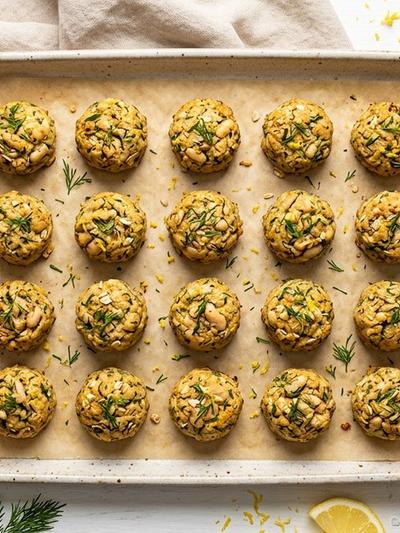
Each serving of these Hungarian-inspired bites delivers 26 grams of complete plant protein from tempeh and red lentils, with a full spectrum of essential amino acids that rivals animal-based snacks. The combination of fermented soy and legume protein creates a dense, satisfying bite that keeps you fueled between meals without excess calories — just 295 per serving of five pieces. Nutritional yeast rounds out the B-vitamin profile while adding a subtle savoury depth that ties the flavours together.
Smoked paprika is the soul of this recipe, contributing a warm, sweet smokiness that defines Hungarian cooking. Lightly crushed caraway seeds add an earthy, anise-like bite that pairs beautifully with the nutty chew of tempeh, while dried thyme brings a quiet herbal note that keeps everything grounded. The texture hits two marks at once: the exterior bakes to a light crispness while the interior stays tender and slightly dense, giving each bite substance without heaviness.
For GLP-1 users, these bites solve a common problem — finding a portable, protein-rich snack that does not require refrigeration for several hours and reheats well all week. The modest portion of five bites satisfies without triggering the fullness-related discomfort that larger snacks can cause when appetite is suppressed. Tempeh's fermented nature also means the soy protein is partially broken down, which many people on GLP-1 medications find gentler on digestion than raw legumes alone.
Why This Works on GLP-1
Preserving lean muscle mass is one of the most important nutritional priorities during GLP-1-assisted weight loss. When medications like Mounjaro significantly reduce caloric intake, the body can break down muscle tissue for energy unless protein intake stays consistently high. These bites provide 26 grams of plant protein per serving — enough to meaningfully contribute to the 1.0–1.2 grams of protein per kilogram of body weight that many dietitians recommend for people on tirzepatide or semaglutide. Because tempeh delivers all nine essential amino acids, each serving functions as a complete protein source without needing to combine multiple food groups.
The fermentation process that creates tempeh breaks down phytic acid and oligosaccharides — the compounds in soybeans that commonly cause gas and bloating. This matters for Zepbound users in particular, since delayed gastric emptying already puts extra pressure on the digestive system. Red lentils cook down to a soft, easily digestible paste that binds the bites without adding the gritty texture that whole beans sometimes bring.
Chia and flaxseed contribute omega-3 fatty acids and soluble fibre that support cardiovascular health — a relevant benefit since GLP-1 medications are increasingly prescribed for patients with metabolic risk factors beyond weight alone. The modest fat content of 12 grams per serving comes primarily from whole food sources, keeping the overall lipid profile favourable compared to fried or oil-heavy snack alternatives.
Ingredients (serves 4)
For the bites:
- 12 oz (350g) tempeh
- 1/3 cup (70g) dry red lentils
- 2 tbsp (15g) chickpea flour
- 2 tbsp (10g) nutritional yeast
- 1 tbsp (10g) ground flaxseed
- 3 tbsp (45ml) water
- 1 tbsp (12g) chia seeds
- 1 small yellow onion, finely diced — about 1/2 cup (70g)
- 2 cloves garlic, minced
- 2 tsp smoked paprika
- 1 tsp caraway seeds, lightly crushed
- 1/2 tsp dried thyme
- 1/2 tsp fine sea salt
- 1/4 tsp freshly ground black pepper
- Cooking spray
Instructions
Cook the lentils:
- Rinse the red lentils under cold water and add them to a small saucepan with 3/4 cup (180ml) water. Bring to a boil, then reduce heat and simmer for 12–15 minutes until the lentils are completely soft and the water is absorbed. Red lentils break down naturally, which is what you want here — they act as a binding paste for the bites.
- Remove from heat, mash lightly with a fork until mostly smooth, and set aside to cool for five minutes.
Prepare the flax egg and filling:
- Stir the ground flaxseed into 3 tbsp water in a small bowl. Let it sit for five minutes until it thickens into a gel — this replaces egg as a binder and adds omega-3s.
- While the flax egg sets, crumble the tempeh into a large mixing bowl using your hands or a fork. Break it into fine, even crumbles roughly the size of coarse breadcrumbs. Finer crumbles produce bites that hold together better.
- Heat a nonstick skillet over medium heat and lightly coat with cooking spray. Sauté the diced onion for three minutes until translucent, then add the garlic and cook one more minute until fragrant. Transfer to the bowl with the tempeh.
Mix and shape:
- Add the cooked lentils, flax egg, chia seeds, chickpea flour, nutritional yeast, smoked paprika, caraway seeds, thyme, salt, and pepper to the tempeh mixture. Stir thoroughly with a spatula until everything is evenly distributed and the mixture holds together when pressed. If it feels too loose, add another teaspoon of chickpea flour.
- Cover the bowl and refrigerate for 15 minutes. Chilling firms the chia seeds and flax, making the mixture much easier to shape.
- Preheat your oven to 375°F (190°C) and line a large baking sheet with parchment paper.
- Using a tablespoon measure or small cookie scoop, portion the mixture into 20 evenly sized balls — about 1.5 tablespoons each. Roll each between your palms, then place on the baking sheet and flatten slightly to about 1-inch (2.5cm) thick discs. This shape ensures even browning and a better ratio of crisp exterior to tender interior.
- Lightly mist the tops with cooking spray.
Bake:
- Bake for 12 minutes, then flip each bite carefully with a spatula. Bake for another 10–12 minutes until the exteriors are golden brown and firm to the touch. The bites will continue to firm as they cool.
- Transfer to a wire rack and let cool completely before storing. This prevents condensation from softening the bites in their container.
Nutrition per Serving
| Nutrient | Amount (approx.) |
|---|---|
| Calories | ~295 kcal |
| Protein | ~26g |
| Fat | ~12g |
| Carbohydrates | ~25g |
| Fiber | ~7g |
Estimates based on 350g tempeh, 70g dry red lentils, and standard nutritional yeast and chickpea flour values. Actual amounts may vary slightly by brand.
Practical Notes
Storage and meal prep timeline. These bites keep in an airtight container in the refrigerator for up to five days and freeze well for up to three months. For weekly meal prep, make a full batch on Sunday and portion five bites into individual containers. They travel well at room temperature for up to four hours, making them ideal for work or gym bags.
Reheating for best texture. For cold snacking, let the bites sit at room temperature for ten minutes before eating — they taste better when not ice cold. To restore crispness, reheat in a 350°F (175°C) oven or toaster oven for five minutes, or air fry at 350°F for three minutes. The microwave works in a pinch but softens the exterior.
Substituting tempeh. If tempeh is unavailable, extra-firm tofu (pressed thoroughly for 30 minutes) works but produces a softer bite with lower protein — roughly 18 grams per serving instead of 26. Compensate by adding two tablespoons of hemp seeds to the mixture. Do not use silken or soft tofu; the bites will not hold their shape.
Scaling the batch. This recipe doubles easily. Use two baking sheets and rotate them halfway through baking to ensure even browning. A double batch of 40 bites gives you enough for eight servings — nearly two full weeks of weekday snacking.
Adjusting for very small appetites. If you find five bites too filling on your current GLP-1 dose, start with two or three bites paired with a few slices of cucumber. The remaining bites keep perfectly for the next day, so nothing goes to waste. Many people find their ideal portion increases slightly as their body adjusts to the medication over the first few months.
Frequently Asked Questions
Will these bites cause digestive discomfort on GLP-1 medications?
Can I make these soy-free?
How should I store and transport these for work or travel?
What if I am in the early weeks of GLP-1 treatment and can barely eat?
Can I use sweet paprika instead of smoked paprika?
This article provides general food and nutrition guidance only. It does not constitute medical advice. Always consult your healthcare provider regarding your GLP-1 medication and individual nutritional needs.