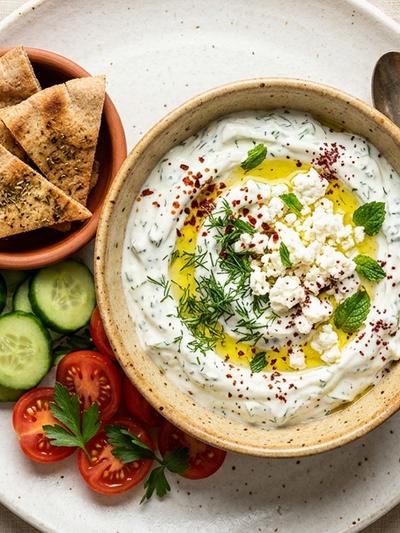
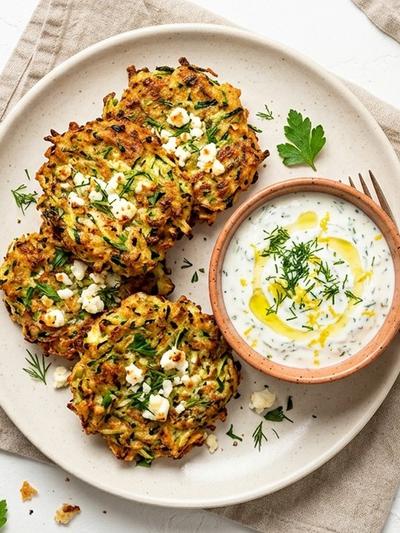
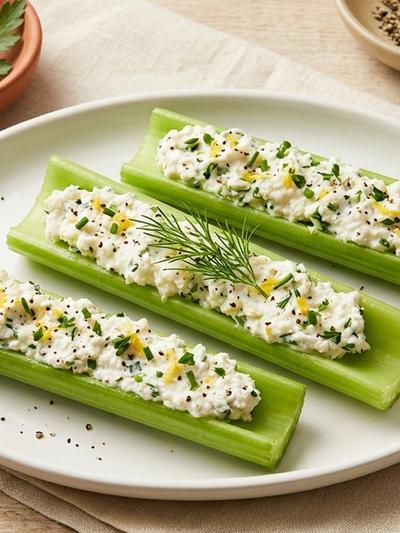
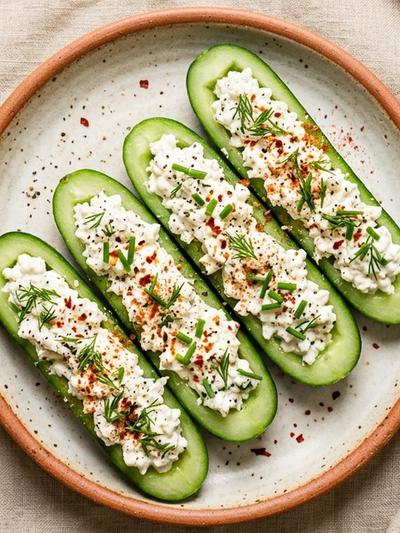
The dipping format suits GLP-1 eating in ways that most other snack formats don't. When you dip — scoop, bring to mouth, pause between bites — you naturally eat more slowly and pause more frequently than you would eating from a bowl or biting into a sandwich. This built-in pace is useful when medication has altered your satiety signals: you're less likely to overshoot your comfortable capacity when each bite has a natural pause.
This spinach dip uses Greek yogurt as the base instead of the conventional sour cream or cream cheese. The swap is nutritionally significant: full-fat Greek yogurt at 250g delivers approximately 20g of protein compared to the 3–4g you'd get from the same amount of sour cream. The texture is nearly indistinguishable when the spinach is well-incorporated and the dip is well-seasoned. No one eating this dip will miss the sour cream.
Make a batch on Sunday, refrigerate in a sealed container, and it keeps for 5 days. Set it out with pre-cut vegetables and you have a snack that requires zero decision-making throughout the week.
Why This Works on GLP-1
The protein-to-calorie ratio of Greek yogurt is one of the best of any whole food. Quarter cup of this dip — a reasonable dipping portion — provides approximately 12g of protein and around 90 calories. Combined with a cup of mixed vegetables (roughly 40–60 calories), a full snacking occasion delivers 14–15g of protein in under 150 calories. That is a remarkably efficient nutritional profile for a snack.
Spinach adds iron, folate, vitamin K, and magnesium — nutrients that GLP-1 users eating smaller volumes need to source from whatever they are eating. Frozen spinach works just as well as fresh here (and is often higher in nutrients since it's frozen at peak ripeness), provided it is thoroughly squeezed dry before mixing.
The vegetable dippers add fiber, crunch, and volume without significant caloric addition. Cucumber, bell pepper, carrots, and celery together contribute fiber that slows digestion further and supports gut health — particularly important for Wegovy or Mounjaro users.
Ingredients (serves 4–6, makes about 350g dip)
- 250g (1 cup) full-fat Greek yogurt
- 150g (5oz) frozen spinach, thawed and squeezed dry (or 200g fresh, wilted and squeezed)
- 2 garlic cloves, minced or grated
- 1 tablespoon lemon juice
- 2 tablespoons fresh dill, chopped (or 1 tsp dried)
- 1 tablespoon fresh chives, chopped (optional)
- ¼ teaspoon salt
- ¼ teaspoon black pepper
For serving (crudités):
- 1 large cucumber, sliced into rounds
- 2 bell peppers (any color), cut into strips
- 3 medium carrots, cut into sticks
- 4 celery stalks, cut into sticks
Instructions
Prepare the spinach. If using frozen spinach, thaw completely (microwave 3 minutes or thaw overnight in fridge). Place in a clean kitchen towel or several layers of paper towel and squeeze out as much water as possible — really squeeze hard. Soggy spinach will make the dip watery. You should end up with about 80g of dry squeezed spinach.
Chop the spinach finely. Roughly chop the squeezed spinach so there are no large clumps in the final dip.
Mix the dip. In a bowl, combine Greek yogurt, chopped spinach, garlic, lemon juice, dill, and chives. Season with salt and pepper. Stir well until fully combined.
Taste and adjust. This step matters. Taste the dip and adjust: more lemon for brightness, more garlic for intensity, more salt to bring everything forward. The dip should taste well-seasoned — under-seasoned dip with bland vegetables is easy to ignore.
Refrigerate. Cover and refrigerate for at least 30 minutes before serving. The flavors develop significantly as the garlic and herbs infuse the yogurt.
Serve. Arrange the crudités on a platter or in separate containers. Serve the dip in a small bowl alongside.
Nutrition per ¼ Cup Dip + 1 Cup Mixed Vegetables
- Calories: ~130
- Protein: ~14g
- Fat: ~4g
- Carbs: ~12g
- Fiber: ~3g
Practical Notes
Squeezing the spinach dry is critical. The single most common reason homemade spinach dip is watery and disappointing is insufficiently dried spinach. Take the extra minute to squeeze it thoroughly. A salad spinner is excellent for this if you have one.
Pre-portion the crudités. Cut all the vegetables on Sunday and store in separate small containers in the fridge. Each morning, grab a container. This removes the last bit of friction from snacking — no cutting, no prep, just open and dip.
As a lunch component. This dip with vegetables also works as a light lunch on days when appetite is minimal. Add a hard-boiled egg or a handful of roasted chickpeas alongside to bring the protein closer to a meal-level portion.
Dried dill vs. fresh. Fresh dill has significantly more flavor than dried here. If fresh is available, use it. If not, dried works — reduce to 1 teaspoon and consider adding a small amount of fresh mint to compensate.
Garlic intensity. Raw garlic is sharp and can be very prominent. If you prefer a milder garlic flavor, substitute with ½ teaspoon garlic powder or roast the garlic before adding (roasted garlic is mellow and sweet).
Frequently Asked Questions
Can I use low-fat or non-fat Greek yogurt instead of full-fat?
How long does this dip keep, and can I freeze it?
What vegetables work best as dippers for GLP-1 users with digestive sensitivity?
Is this dip suitable as a light lunch on days when I can't manage a full meal?
Raw garlic is strong — will it cause digestive issues?
This article provides general food and nutrition guidance only. It does not constitute medical advice. Always consult your healthcare provider regarding your GLP-1 medication and individual nutritional needs.