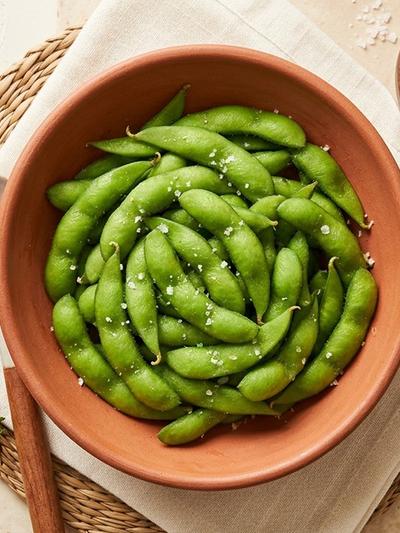
The assumption that plant-based eating and high-protein eating are in tension doesn't hold up under examination — and this salad is direct evidence. Edamame (whole soybeans) delivers about 17g of protein per cup of shelled beans, making it one of the most protein-dense plant foods available. Hemp seeds add another 10g of protein per 3 tablespoons, along with a full omega-3 fatty acid profile that most plant-based eaters struggle to source adequately.
This salad requires no cooking beyond microwaving frozen edamame. It takes 10 minutes to assemble, keeps well in the fridge for two days, and has a bright, clean, sharply flavored sesame-ginger dressing that holds up over time without wilting or becoming soggy. For GLP-1 users who are plant-based — or who simply want a break from animal proteins — this is a reliable, genuinely high-protein option.
The textural diversity is also worth noting. Edamame has a firm, slightly waxy bite. Cucumber is cool and crisp. Red cabbage adds crunch and color. Avocado adds creaminess. The combination means that eating even a small portion of this salad involves varied textures that make the eating experience more engaging — which matters when you're eating smaller amounts and every bite needs to count.
Why This Works on GLP-1
Edamame is a complete protein, meaning it contains all nine essential amino acids — a rarity in plant foods. For GLP-1 users — including those on Zepbound or Ozempic — eating small portions, this completeness matters: you get the full amino acid profile required for muscle maintenance and repair from a small amount of food, without needing to combine multiple protein sources.
The fiber content of this salad is significant — approximately 10g per serving — which slows digestion and supports the satiety that GLP-1 medication already promotes. The combination of protein and fiber is particularly effective for sustaining energy between meals, which is important given the unpredictable eating windows that GLP-1 can create.
The sesame-ginger dressing is mildly acidic and lightly savory — a flavor register that tends to be very well-tolerated on GLP-1, unlike heavier cream-based dressings that can feel overwhelming or trigger nausea.
Ingredients (serves 2)
- 300g (2 cups) frozen shelled edamame, cooked
- 1 large cucumber (about 250g / 9oz), diced
- 100g (1 cup) red cabbage, shredded fine
- 1 ripe avocado, diced
- 30g (3 tablespoons) hemp seeds
Sesame-Ginger Dressing:
- 1 tablespoon tamari or low-sodium soy sauce
- 1 tablespoon rice vinegar
- 1 teaspoon sesame oil
- 1 teaspoon fresh ginger, grated
- 1 teaspoon honey or maple syrup
- 1 small garlic clove, grated
- 1–2 tablespoons water to thin
Instructions
Cook the edamame. Place frozen edamame in a microwave-safe bowl with 2 tablespoons of water. Cover loosely and microwave on high for 3–4 minutes until heated through. Drain and let cool for 5 minutes. Alternatively, boil in salted water for 4 minutes.
Make the dressing. Whisk together tamari, rice vinegar, sesame oil, ginger, honey, and garlic in a small bowl. Add water 1 tablespoon at a time until the dressing is pourable but not watery. Taste and adjust: more tamari for saltiness, more vinegar for brightness, more honey to balance.
Assemble the salad. In a large bowl, combine cooled edamame, diced cucumber, shredded red cabbage, and hemp seeds. Toss with the dressing.
Add avocado last. Add the diced avocado and fold in gently — rough mixing will mash it. The avocado should remain in distinct pieces.
Serve immediately or refrigerate (without avocado) for up to 2 days. Add fresh avocado when serving from the fridge.
Nutrition per Serving
- Calories: ~300
- Protein: ~20g
- Fat: ~16g
- Carbs: ~18g
- Fiber: ~10g
Practical Notes
Hemp seeds are non-negotiable here. They add 10g of protein to the whole recipe in a form that blends invisibly into the salad. They taste mildly nutty and soft — unlike chia seeds or flaxseeds, they require no soaking and have no gel-like texture. If unavailable, substitute with 2 tablespoons of sunflower seeds (slightly less protein) or 30g of crumbled firm tofu.
Make ahead without avocado. Dress the edamame, cucumber, cabbage, and hemp seeds on Sunday. Store in the fridge — this component keeps for 2 days without wilting. Add fresh avocado to each portion when eating. This turns 10-minute preparation into a 2-minute lunch.
Boost protein with tofu. For a higher protein version, add 100g of extra-firm tofu, cubed and either eaten raw (smooth, mild) or pan-fried until golden. Adds approximately 9g of additional protein per serving.
Temperature preference. This salad is best eaten at room temperature or slightly chilled, not cold from the fridge. Remove from the fridge 10 minutes before eating if possible. Cold food can be less appealing on GLP-1 when taste sensitivity is altered.
Vary the vegetables. The dressing works equally well with shredded carrot, sliced sugar snap peas, blanched broccoli, or corn. Keep the edamame and hemp seeds as the protein core and rotate the vegetables based on availability.
Frequently Asked Questions
Where can I find hemp seeds, and what can I substitute if I can't?
Can I eat this salad on a high-nausea GLP-1 day?
How long does this salad keep in the fridge, and should I dress it in advance?
I'm not plant-based — can I add animal protein to boost the total further?
What if avocado causes digestive discomfort on GLP-1?
This article provides general food and nutrition guidance only. It does not constitute medical advice. Always consult your healthcare provider regarding your GLP-1 medication and individual nutritional needs.