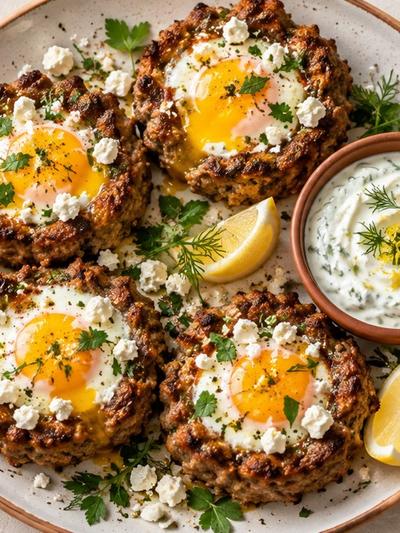
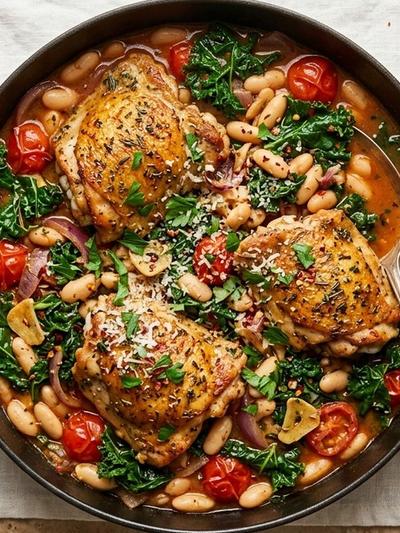
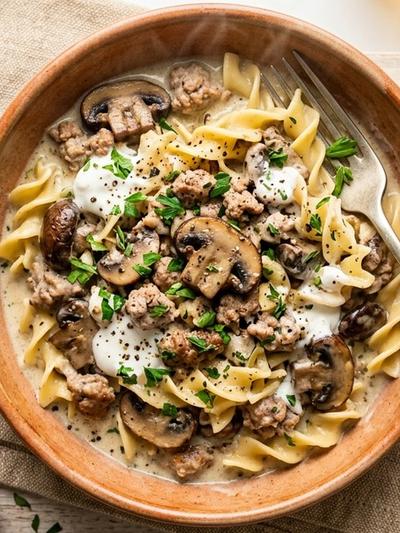
Each serving of this Spanish-inspired air fryer turkey sofrito delivers 33 grams of protein from a combination of lean ground turkey and chickpeas, along with 6 grams of fiber to support steady digestion. The dish provides a complete nutritional profile — iron from the turkey, vitamin C from the peppers, and complex carbohydrates from the chickpeas — all in a single baking dish that goes straight into your air fryer.
The flavor backbone here is a proper Spanish sofrito: onions, garlic, and ripe tomatoes cooked down with smoked paprika until they concentrate into something almost jammy. Roasted red peppers add sweetness and body, while a thread of saffron — optional but transformative — brings that unmistakable golden warmth that defines so much of Spanish cooking. A thin shaving of Manchego on top melts into a salty, nutty finish that pulls everything together.
For those on Mounjaro or similar GLP-1 medications, this recipe works particularly well because the sofrito base is already soft and easy to digest, while the portion size feels substantial without being heavy. The air fryer method keeps fat content low — you need just one tablespoon of olive oil for the entire dish — and the high circulating heat creates appealing texture on top without any deep frying.
Why This Works on GLP-1
The 33 grams of protein per serving come primarily from 93% lean ground turkey, supplemented by chickpeas that contribute an additional 5 grams each. This protein level supports muscle preservation during the weight loss phase that typically accompanies Wegovy, Ozempic, and other GLP-1 receptor agonists. Maintaining adequate protein intake — ideally 25 to 40 grams per meal — helps ensure that the weight you lose is predominantly fat rather than lean tissue.
The 6 grams of fiber per serving comes from a moderate portion of chickpeas and the vegetable base. This is enough to support regular digestion without the bloating risk that comes from very high-fiber meals, which can compound the gastric slowing effects of GLP-1 medications. The tomato-based sofrito also provides lycopene, an antioxidant that some research associates with reduced inflammation.
At 385 calories, this is a complete dinner that leaves room for a small side salad or a piece of fruit without exceeding most calorie targets during active GLP-1-assisted weight management. The balanced macronutrient ratio — moderate carbohydrates, controlled fat, high protein — supports stable blood sugar, which works in concert with the glucose-regulating effects of your medication.
Ingredients (serves 4)
For the sofrito base:
- 1 tablespoon extra-virgin olive oil
- 1 medium yellow onion, finely diced — about 1 cup (150g)
- 4 cloves garlic, minced
- 1 can (14 oz / 400g) diced tomatoes, drained
- 2 teaspoons smoked paprika (pimentón de la Vera)
- 1 teaspoon sweet paprika
- 1/2 teaspoon ground cumin
- Pinch of saffron threads, crumbled (optional)
- 1/2 teaspoon fine sea salt
- 1/4 teaspoon black pepper
For the turkey and vegetables:
- 1 1/4 pounds (565g) 93% lean ground turkey
- 1 jar (12 oz / 340g) roasted red peppers, drained and roughly chopped
- 1 can (15 oz / 425g) chickpeas, drained and rinsed
- 1 medium zucchini, diced — about 1 1/2 cups (180g)
- 1 tablespoon sherry vinegar or red wine vinegar
For serving:
- 1 ounce (28g) Manchego cheese, finely shaved or grated
- 2 tablespoons fresh flat-leaf parsley, roughly chopped
- Lemon wedges
Instructions
Build the sofrito base:
Heat the olive oil in a large skillet over medium heat. Add the diced onion and cook for 5 to 6 minutes until softened and translucent — this slow cooking develops sweetness without needing added sugar. Add the garlic and cook for 30 seconds until fragrant.
Add the drained diced tomatoes, smoked paprika, sweet paprika, cumin, saffron if using, salt, and pepper. Cook for 4 to 5 minutes, stirring occasionally, until the tomatoes break down and the mixture thickens into a concentrated paste. This is your sofrito — the flavor foundation of the entire dish.
Cook the turkey mixture:
Add the ground turkey to the skillet, breaking it into small pieces with a wooden spoon. Cook for 5 to 6 minutes until the turkey is no longer pink, mixing it thoroughly into the sofrito so every piece absorbs the spice base.
Stir in the chopped roasted red peppers, drained chickpeas, and diced zucchini. Add the sherry vinegar and stir to combine — the vinegar brightens the entire dish and balances the smokiness of the paprika. Remove from heat.
Air fry to finish:
Preheat your air fryer to 375°F (190°C). Transfer the turkey mixture to an air fryer-safe baking dish or oven-safe casserole that fits your air fryer basket. A round 8-inch (20cm) or oval dish works well for most models. Spread the mixture evenly and press it down gently so the top surface is relatively flat — this ensures even crisping.
Air fry at 375°F (190°C) for 12 to 15 minutes until the top is lightly browned and the edges are bubbling. The high circulating heat will create a thin, savory crust on the surface while keeping the interior moist.
Scatter the shaved Manchego over the top and air fry for 1 to 2 minutes more, just until the cheese melts. Remove carefully — the dish will be very hot.
Serve:
- Let the cazuela rest for 3 to 4 minutes before serving. Garnish with chopped parsley and serve with lemon wedges on the side. A squeeze of lemon just before eating adds brightness that complements the smoky depth of the sofrito.
Nutrition per Serving
| Nutrient | Amount (approx.) |
|---|---|
| Calories | ~385 kcal |
| Protein | ~33g |
| Fat | ~16g |
| Carbohydrates | ~28g |
| Fiber | ~6g |
Estimates based on 93% lean ground turkey, canned chickpeas, jarred roasted peppers, and 1/4 ounce Manchego per serving. Actual values may vary with specific brands and draining of canned goods.
Practical Notes
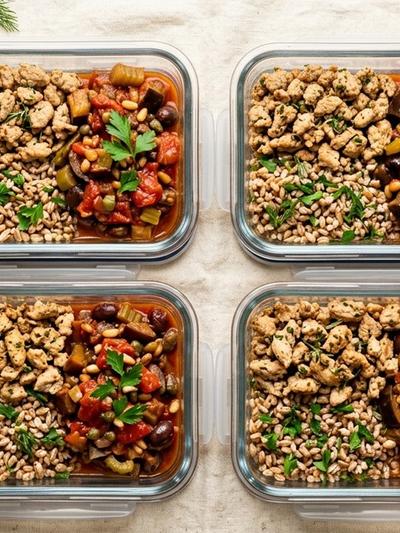
Make it meal prep. This sofrito stores exceptionally well — portion into individual glass containers and refrigerate for up to 4 days or freeze for up to 3 months. The flavors actually improve overnight as the smoked paprika continues to infuse. Reheat portions in the air fryer at 350°F for 5 minutes or microwave until hot throughout.
Adjust your air fryer dish size. If your air fryer basket is smaller, use two smaller dishes and cook in batches, or halve the recipe for two servings. The key is that the mixture should be no deeper than about 2 inches (5cm) so that the air fryer heat can reach the center and create that desirable top crust.
Start with half a serving if you are new to Zepbound or other GLP-1 medications. During the early titration phase when nausea is most common, plate about half the standard portion and eat slowly over 20 minutes. The sofrito base is well-cooked and soft, making it easier to digest than raw vegetables or very fibrous meals. You can always have the other half an hour later if appetite allows.
The saffron is optional but worth it. Even a small pinch of saffron transforms the color and aroma of this dish into something distinctly Spanish. If you do not have saffron, a pinch of turmeric provides a similar golden color, though the flavor will be different. Do not substitute both — pick one or leave both out.
Swap the protein if needed. Lean ground chicken (99% lean breast) works as a direct substitute and will reduce fat content further, bringing each serving closer to 340 calories. Ground beef (90% lean) will work but increases fat and calories significantly. For a plant-based version, crumble extra-firm tofu and press it dry before cooking in the sofrito — you will want to add an extra pinch of salt to compensate.
Frequently Asked Questions
Will the smoky paprika be too strong if I have GLP-1-related taste changes?
Can I make this without chickpeas for a lower-carb version?
How long does this keep, and what is the best way to reheat it?
What if I can only eat a very small portion right now?
Do I need to precook the turkey on the stovetop, or can everything go directly into the air fryer?
This article provides general food and nutrition guidance only. It does not constitute medical advice. Always consult your healthcare provider regarding your GLP-1 medication and individual nutritional needs.