Fiber does a lot of work in the body — it supports digestion, feeds beneficial gut bacteria, helps stabilize blood sugar, and contributes to a feeling of fullness. On GLP-1 medications, you are already experiencing significant appetite suppression, so the goal with fiber is not to feel fuller. It is to support digestive health and nutrient intake within the smaller portions you are now eating.
Here are 7 high-fiber foods that are practical for smaller appetite days — foods that pack a meaningful nutritional punch without requiring a large plate.
1. Lentils
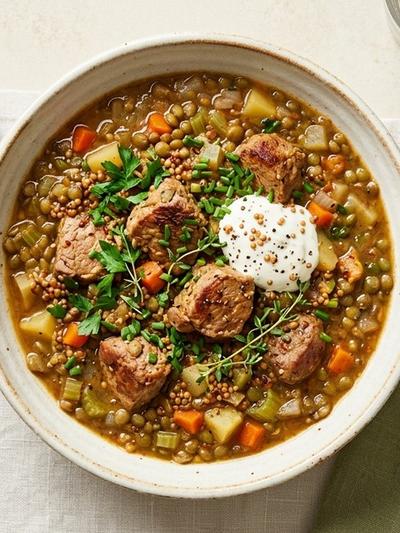
A half-cup serving of cooked lentils contains roughly 8g of fiber and 9g of protein — making them one of the most efficient plant foods for people eating less. They are inexpensive, easy to cook in batches, and soft enough to be well-tolerated even when digestion feels sluggish.
Easy use: Add a few tablespoons to soup, mix into a yogurt bowl (savory style), or eat cold in a small grain bowl.
2. Chia Seeds
Per tablespoon, chia seeds deliver approximately 4–5g of fiber, along with omega-3 fatty acids. They absorb liquid and expand, which makes chia pudding a popular small-meal option — it feels satisfying in small amounts without being heavy.
Easy use: 2 tablespoons of chia seeds in 180ml of milk (dairy or plant-based), refrigerate overnight. The result is a gentle, protein-and-fiber-dense mini meal.
3. Edamame
A half-cup of shelled edamame contains about 4g of fiber and 9g of protein. They are one of the few plant foods that provide complete protein. They are also easy to eat in small amounts — a handful from the freezer, steamed in 5 minutes.
Easy use: Frozen edamame steamed and lightly salted is one of the best ready-to-eat snacks for smaller appetite days.
4. Avocado
Half an avocado contains around 5g of fiber. It also provides healthy monounsaturated fats, which are important when overall calorie intake drops. Avocados are soft, gentle on digestion, and pair well with both protein and vegetables.
Easy use: Spread on a small piece of toast, sliced alongside eggs, or mashed with lemon juice as a dip.
5. Artichoke Hearts (Canned)
Canned artichoke hearts are underused and underrated. A half-cup contains around 5g of fiber and is mild in flavor, making them easy to eat when appetite is low. They are rich in inulin, a prebiotic fiber that supports gut bacteria.
Easy use: Rinse canned artichoke hearts and add to salads, eggs, or eat as a side with a protein source.
6. Raspberries
Fresh or frozen raspberries contain approximately 4g of fiber per half-cup — one of the highest fiber-per-calorie ratios of any fruit. They are tart, easy to eat in small amounts, and work well as a topping or standalone snack.
Easy use: A small portion (50–80g) on top of Greek yogurt provides fiber, antioxidants, and something sweet without a large serving of food.
7. Psyllium Husk
If you are struggling to reach daily fiber targets through food alone, psyllium husk is a reliable supplement option. One tablespoon provides around 5g of fiber and can be mixed into water, yogurt, or smoothies. It helps support regular digestion — which can be disrupted on GLP-1 medications.
Important: Drink adequate fluids when using psyllium husk. It absorbs water and can be constipating if consumed without enough liquid.
Putting It Together
You do not need to eat all of these every day. A practical approach: pick 2–3 of these foods and include them in your regular rotation. Consistency matters more than variety.
A realistic daily target on reduced appetite: 20–25g of fiber from whole food sources. Track a few days to understand your baseline, then adjust.
This article provides general food and nutrition guidance only. It does not constitute medical advice. Consult your healthcare provider for personalized guidance.