The reality of GLP-1 treatment is that your relationship with food preparation changes substantially. On days when medication effects are strong, cooking feels like an obstacle. On days when you feel more like yourself, the temptation is to cook something elaborate — but that does not solve the problem for the difficult days ahead. The answer is a one-time cooking session that produces breakfasts for weeks.
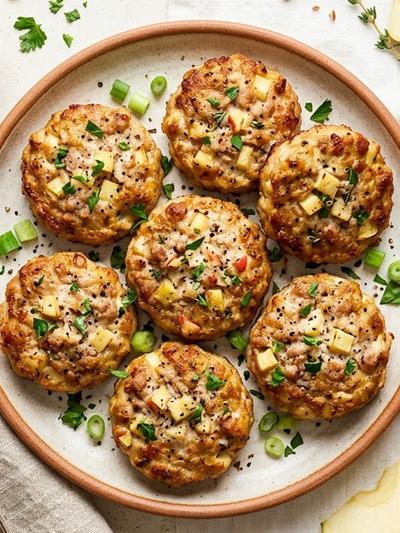
Mini frittatas baked in a muffin tin are the most efficient version of this strategy. One batch produces 12 individual portions. Each frittata is self-contained, individually freezable, and reheats in 90 seconds without any quality loss. The protein content from turkey breast, eggs, and feta means that two frittatas contain approximately 14 grams of protein — a meaningful contribution from a breakfast that required no morning effort whatsoever.
The muffin-tin format also solves a specific GLP-1 challenge: portion control without math. Each unit is a defined serving. If you feel like eating two, eat two. If one is all you can manage, eat one and save the rest. There is no half-eaten pan to deal with, no estimating portion sizes, no food going to waste because you made too much at once.
Why This Works on GLP-1
Ground turkey breast is one of the leanest protein sources available, with approximately 24 grams of protein per 100g cooked and under 2g of fat. This lean profile is strategically useful for GLP-1 users because dietary fat slows gastric emptying further — and on GLP-1 medication, gastric emptying is already significantly slowed. A meal very high in fat can cause prolonged fullness, nausea, or discomfort. Lean turkey delivers protein without compounding this effect.
Eggs contribute both protein and a complete amino acid profile, including all nine essential amino acids. The egg base of the frittata also binds the ingredients together and creates a smooth, soft texture when cooked at the right temperature — a texture that GLP-1 users with appetite sensitivity tend to find easier to eat than dry or dense foods.
Spinach adds iron, folate, and magnesium without meaningful caloric contribution. Feta cheese, used in small quantity, adds calcium, flavor, and a small additional protein contribution. Its salt content also helps with palatability on low-appetite days on Mounjaro or Wegovy when food can taste flat or unappealing.
Ingredients (serves 6 — makes 12 mini frittatas)
- 8 large eggs
- 150g (5.3 oz) lean ground turkey breast (or finely chopped turkey breast)
- 2 cups (60g) fresh baby spinach, roughly chopped
- 60g (2 oz) feta cheese, crumbled
- ¼ cup (60ml) whole milk or unsweetened almond milk
- 1 small onion, finely diced (approximately ½ cup / 80g)
- 2 cloves garlic, minced
- 1 tsp (5ml) olive oil
- ½ tsp (2g) dried oregano
- Salt and black pepper to taste
- Cooking spray for the muffin tin
Instructions
- Preheat oven to 180°C (350°F). Spray a 12-cup standard muffin tin generously with cooking spray, making sure to coat the sides of each cup. Set aside.
- Heat olive oil in a skillet over medium-high heat. Add the onion and cook, stirring, for 3–4 minutes until softened.
- Add the garlic and ground turkey. Break the turkey into small crumbles using a spatula and cook until no pink remains, approximately 4–5 minutes.
- Add the chopped spinach and stir until wilted, about 1 minute. Season with oregano, salt, and pepper. Remove from heat and allow to cool for 5 minutes.
- In a large bowl, whisk together the eggs and milk until fully combined. Season lightly with salt and pepper.
- Divide the turkey and spinach mixture evenly among the 12 muffin cups, filling each approximately halfway.
- Pour the egg mixture over the turkey filling in each cup, filling to just below the rim. The egg will puff during baking.
- Sprinkle crumbled feta evenly over the top of each cup.
- Bake for 18–22 minutes, until the egg is fully set and the tops are lightly golden. The frittatas will puff during baking and settle as they cool — this is normal.
- Allow to cool in the tin for 5 minutes before removing with a thin spatula or butter knife. Cool completely on a wire rack before refrigerating or freezing.
To refrigerate: Store in an airtight container for up to 4 days.
To freeze: Place cooled frittatas in a single layer on a baking sheet and freeze until solid (1–2 hours). Transfer to a zip-lock freezer bag. Label with date. Keeps for 3 months.
To reheat from frozen: Place 2 frittatas on a microwave-safe plate. Microwave on high for 60–90 seconds. Let stand 30 seconds before eating.
Nutrition per Serving (2 mini frittatas)
| Nutrient | Approximate Amount |
|---|---|
| Calories | ~190 kcal |
| Protein | ~14g |
| Fat | ~11g |
| Carbohydrates | ~3g |
| Fiber | ~0.5g |
Values are estimates and will vary based on specific brands and serving sizes.
Practical Notes
Cooking spray coverage is critical. Mini frittatas will stick aggressively if the pan is inadequately coated. Do not use paper liners — they stick to eggs even more than bare metal. Silicone muffin pans are a worthwhile investment if you make this recipe regularly.
Cool completely before freezing. Freezing warm frittatas traps steam inside the freezer bag and creates ice crystals that damage texture. Fully cooled frittatas freeze and reheat cleanly.
Turkey can be swapped for other lean proteins. Cooked diced chicken breast, canned tuna (well-drained), or even a plant-based ground meat substitute all work in the same quantity. The egg base is adaptable.
Eat two frittatas with a piece of fruit or a small yogurt for a complete GLP-1-appropriate breakfast reaching 20g+ protein. On mornings when one frittata is sufficient, that is 7g of protein — not a full meal, but a meaningful contribution that costs you nothing in effort.
Reheat quality does not degrade significantly over 3 months. The egg-based texture holds well in the freezer, unlike many breakfast items that become watery or spongy. The feta actually improves slightly in intensity after freezing.
Do not overfill the muffin cups. Leave at least 5mm (¼ inch) below the rim before baking. The egg mixture expands, and overfilled cups overflow in the oven, creating a cleaning problem and uneven cooking.
Frequently Asked Questions
Can I swap the ground turkey for another protein?
How do I reheat frittatas without making them rubbery?
Is one frittata enough if my appetite is very suppressed?
Can I add vegetables to the filling without affecting the recipe?
How do frittatas fit into an injection day eating plan?
This article provides general food and nutrition guidance only. It does not constitute medical advice. Always consult your healthcare provider regarding your GLP-1 medication and individual nutritional needs.