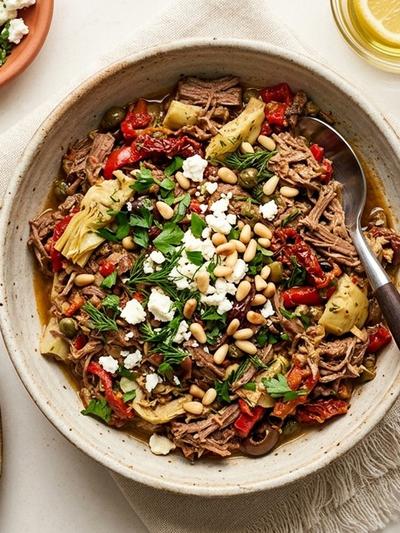
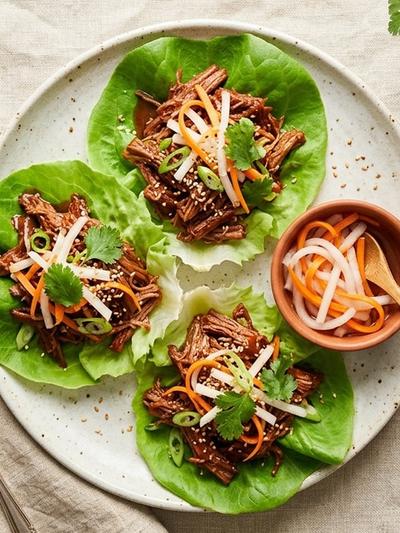
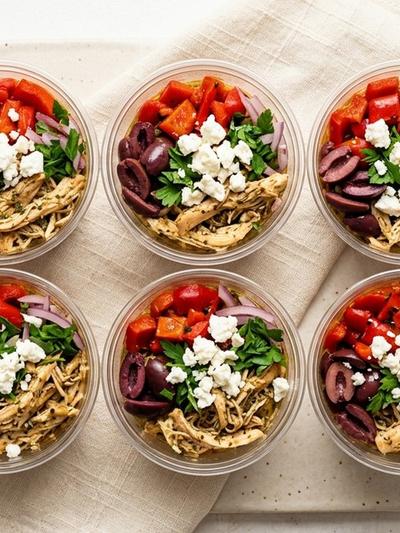
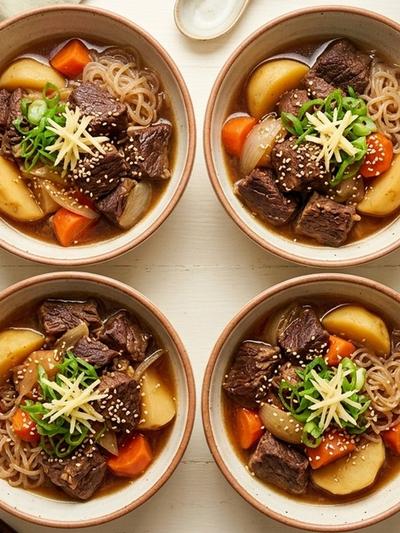
Each birria beef cup delivers 25 grams of protein and just 195 calories — a snack-sized portion that genuinely satisfies without overwhelming a reduced appetite. The slow-braised sirloin breaks down into fork-tender shreds soaked in a deeply savory guajillo-ancho consommé, while quick-pickled red onion adds a bright vinegar punch that cuts through the richness. One batch yields eight ready-to-grab portions that reheat in 30 seconds.
The flavor here is unmistakably birria: warm dried chiles layered with cumin, Mexican oregano, a whisper of cinnamon, and toasted cloves. Roasted tomato and onion build a smoky-sweet base, while apple cider vinegar keeps everything balanced and lively. The texture contrast between the silky shredded beef and the crisp, tangy pickled onion makes each bite more interesting than the last.
For GLP-1 users, birria-style snack cups solve a common problem: finding something substantial enough to count as real food, but small enough to eat comfortably between meals. The slow cooker does all the work, and the batch format means you always have a protein-rich option waiting in the fridge when hunger does arrive.
Why This Works on GLP-1
Twenty-five grams of complete animal protein per snack serving is significant — that's more than many people manage at breakfast. For Wegovy users experiencing accelerated weight loss, preserving lean muscle mass depends on consistent protein intake spread throughout the day, not just at dinner. These birria cups make it easy to hit your targets without forcing a full meal when your appetite is low. Lean sirloin provides all essential amino acids along with iron and B12, nutrients that can run low when overall food intake drops substantially.
The guajillo and ancho chiles contribute capsaicin and antioxidants without excessive heat, making this gentle enough for the slower digestion that accompanies GLP-1 medications. Jicama sticks on the side add a mild, crunchy fiber source that most stomachs tolerate well — unlike raw cruciferous vegetables, jicama rarely causes bloating or gas.
Because the beef braises for six hours, connective tissue breaks down completely into gelatin, creating a broth that's easy on the stomach and rich in collagen. Mounjaro and similar GLP-1 medications slow gastric emptying, so tender, well-cooked proteins digest more comfortably than tough or undercooked meat. The small portion size also means you can eat one cup and stop without waste.
Ingredients (serves 8)
For the birria beef:
- 2 lbs (908g) lean beef sirloin or top round, cut into 3-inch chunks
- 3 dried guajillo chiles, stemmed and seeded
- 2 dried ancho chiles, stemmed and seeded
- 1 medium Roma tomato, halved
- 1/2 medium white onion, quartered
- 3 cloves garlic, unpeeled
- 1 cup (240ml) low-sodium beef broth
- 1 tablespoon apple cider vinegar
- 1 teaspoon ground cumin
- 1 teaspoon dried Mexican oregano
- 1/4 teaspoon ground cinnamon
- 1/8 teaspoon ground cloves
- 1/2 teaspoon fine sea salt
- 1/4 teaspoon black pepper
For the pickled red onion:
- 1 medium red onion, thinly sliced into rings
- 1/2 cup (120ml) fresh lime juice (about 4 limes)
- 1/4 teaspoon fine sea salt
- 1/4 teaspoon dried Mexican oregano
For serving:
- 1 medium jicama (about 12 oz / 340g), peeled and cut into sticks
- Fresh cilantro leaves
- Lime wedges
Instructions
Toast the chiles and build the sauce:
Heat a dry skillet over medium heat. Press the guajillo and ancho chiles flat against the hot surface for about 30 seconds per side until they become fragrant and slightly pliable — this blooms their oils and deepens the smoky flavor. Transfer to a bowl, cover with boiling water, and soak for 15 minutes.
In the same hot skillet, place the tomato halves cut-side down, the onion quarters, and the unpeeled garlic cloves. Let them char for 3–4 minutes, turning once, until they develop dark spots. This caramelization is what gives birria its distinctive roasted sweetness. Peel the garlic once cool enough to handle.
Drain the soaked chiles and add them to a blender along with the charred tomato, onion, garlic, beef broth, apple cider vinegar, cumin, oregano, cinnamon, cloves, salt, and pepper. Blend until completely smooth, about 60 seconds. The sauce should be a deep brick-red color with no visible chunks.
Load the slow cooker:
Place the beef chunks in the slow cooker in a single layer. Pour the chile sauce evenly over the meat, making sure every piece is coated. The liquid won't fully submerge the beef — that's normal, as the slow cooker will create steam that braises the top portions.
Cover and cook on LOW for 6 hours, or until the beef shreds easily with two forks. The long, gentle heat is what transforms lean sirloin from tough to meltingly tender. Resist the urge to open the lid during cooking — each peek adds 15–20 minutes to the total time.
Make the pickled red onion:
- While the beef cooks, combine the sliced red onion, lime juice, salt, and oregano in a jar or bowl. Toss well and refrigerate for at least 1 hour. The acid will turn the onion a vivid magenta and mellow its sharpness into a tangy, almost sweet bite. These keep for up to 5 days refrigerated.
Shred and portion:
Transfer the cooked beef to a cutting board. Using two forks, shred the meat into bite-sized pieces — it should fall apart with almost no effort. Return the shredded beef to the slow cooker and stir it through the braising liquid so every strand absorbs flavor.
Divide the birria beef and a few tablespoons of consommé into 8 small containers or cups (4-oz ramekins or silicone muffin cups work well). Top each with a pinch of drained pickled red onion and a few cilantro leaves. Serve alongside jicama sticks and a lime wedge.
Nutrition per Serving
| Nutrient | Amount (approx.) |
|---|---|
| Calories | ~195 kcal |
| Protein | ~25g |
| Fat | ~7g |
| Carbohydrates | ~7g |
| Fiber | ~2g |
Based on lean beef sirloin (trimmed), dried chiles, and fresh jicama. Actual values vary with specific cuts and portion sizes.
Practical Notes
Refrigerator storage. Portioned birria cups keep in airtight containers for up to 5 days in the fridge. Store the consommé with the beef — it solidifies into a jelly-like gel when cold (that's the collagen), and melts back into rich broth when reheated. Keep pickled onion and jicama in separate containers so they stay crisp.
Reheating for the best texture. Microwave a single cup for 30–40 seconds until the consommé is bubbling. Alternatively, tip 2–3 portions into a small saucepan with a splash of water and warm over medium-low heat for 3 minutes. Add the pickled onion and jicama after reheating — they should stay cold and crunchy for contrast.
Freezer-friendly batching. The braised beef and consommé freeze well for up to 3 months. Portion into individual freezer-safe containers, leaving a little headroom for expansion. Thaw overnight in the fridge and reheat as above. The pickled onion does not freeze well, so make a fresh batch when you're ready to eat.
Chile heat adjustment. Guajillo and ancho chiles are mild (1,000–2,500 Scoville units), which suits GLP-1 digestion well. If you want a touch more warmth, add one dried chile de árbol to the blender. If you're in the early weeks of medication and very sensitive to spice, reduce to two guajillos and one ancho — the flavor will still be complex and satisfying.
Alternative dippers. Jicama is ideal because it's mild, crunchy, and low-calorie, but bell pepper strips, cucumber rounds, or celery sticks work equally well. For a slightly heartier snack, serve with a single small corn tortilla (about 50 additional calories) — warm it directly over a gas flame or in a dry skillet for 30 seconds per side.
Frequently Asked Questions
Can I eat this birria snack during the first weeks of GLP-1 medication?
Can I use a different cut of beef instead of sirloin?
How long do the portioned cups last, and can I freeze them?
What if my appetite is too low for even a full snack portion?
Can I cook this on HIGH instead of LOW in the slow cooker?
This article provides general food and nutrition guidance only. It does not constitute medical advice. Always consult your healthcare provider regarding your GLP-1 medication and individual nutritional needs.