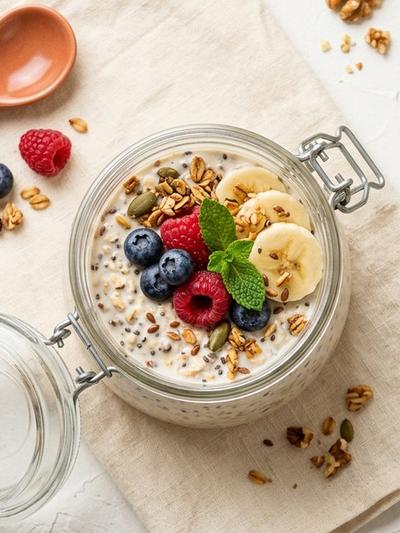
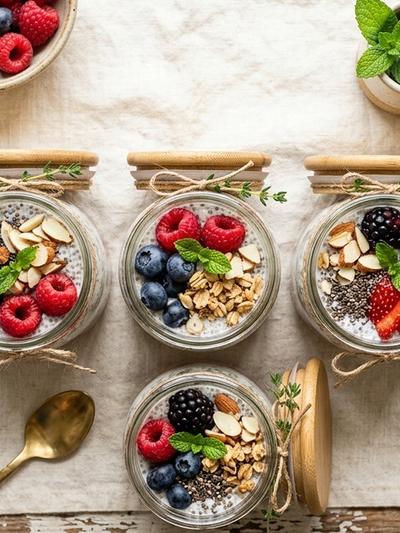
Texture matters more on GLP-1 medication than most people anticipate. When appetite is suppressed, when nausea is present, or when food simply does not sound appealing, crunchy, dry, or dense textures become significant barriers to eating. Many GLP-1 users find that they can tolerate soft, creamy foods much more easily than firm or chewy ones — particularly in the early weeks of treatment when the body is still adjusting to the medication's effects.
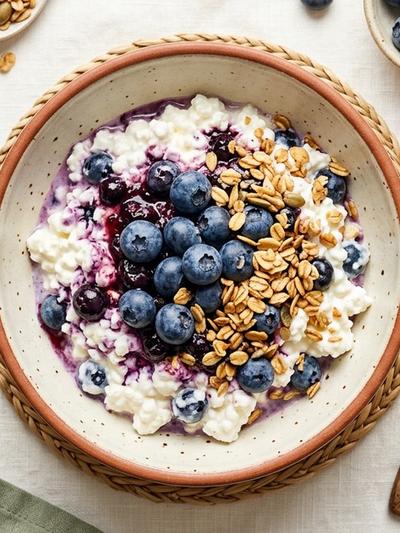
Ricotta is ideally positioned for these conditions. Its texture is naturally smooth and gentle, neither watery nor heavy. It does not require chewing, it does not feel dense in the stomach, and it warms easily — warm foods are often more palatable than cold ones for people with nausea. When combined with honey, lemon zest, and briefly warmed berries, it becomes a breakfast that is straightforward to eat even on the most difficult medication days.
The protein content surprises most people who have thought of ricotta primarily as a pasta filling. A ¾ cup serving of whole-milk ricotta provides approximately 14 grams of protein, and when combined with the small amount of additional dairy in this recipe, the total reaches 18 grams — competitive with many egg-based breakfasts. The full-fat variety is specifically recommended here because the fat content slows digestion, extends satiety, and makes the texture significantly more pleasant than low-fat ricotta, which tends to be grainy and watery.
Why This Works on GLP-1
Whole-milk ricotta is made from whey protein, which is the fast-absorbing fraction of dairy protein. Unlike Greek yogurt, which contains predominantly casein (slow-absorbing), ricotta's whey base means amino acids enter the bloodstream relatively quickly — useful for muscle protein synthesis even in a small meal. Because GLP-1 medications like Wegovy or Zepbound further slows digestion, the whey's faster inherent absorption profile is partially offset, creating a more moderate overall absorption rate.
The fat content in whole-milk ricotta also activates cholecystokinin (CCK), a satiety hormone that works alongside GLP-1 to signal fullness. The dual satiety signaling from GLP-1 medication and dietary fat means that this bowl tends to be filling out of proportion to its relatively modest 320-calorie total.
Berries contribute both fiber and polyphenols — plant compounds that have been shown to support gut microbiome diversity and reduce oxidative stress. Warming the berries briefly breaks down some of their cellular structure, releasing their natural sweetness without adding sugar and making them softer and easier to eat — another texture concession to GLP-1 appetite sensitivity.
Ingredients (serves 1)
- ¾ cup (185g) whole-milk ricotta cheese
- ½ cup (75g) fresh or frozen mixed berries (blueberries, raspberries, strawberries)
- 1 tsp (7g) honey
- ½ tsp (1g) lemon zest (approximately ¼ lemon)
- ½ tsp (2.5ml) pure vanilla extract
- Pinch of salt
- Optional: 1 tbsp (8g) sliced almonds or pumpkin seeds for crunch (add only if tolerated)
Instructions
- If using frozen berries, place them in a small microwave-safe bowl. Microwave on high for 60–90 seconds until warmed through and beginning to release their juices. If using fresh berries, microwave for 30–45 seconds until just warmed. Set aside.
- In a serving bowl, combine the ricotta, vanilla extract, lemon zest, and a pinch of salt. Stir gently until combined.
- Drizzle honey over the ricotta mixture. Stir to partially incorporate — a few honey streaks through the ricotta are visually appealing and create flavor variation in each spoonful.
- Spoon the warm berries and their accumulated juices over the ricotta base.
- Add sliced almonds or seeds on top if using. Serve immediately while the berries are warm.
This recipe does not benefit from advance prep. Ricotta releases water when stored with fruit. Prepare each serving fresh — it takes under 2 minutes.
Nutrition per Serving (without optional toppings)
| Nutrient | Approximate Amount |
|---|---|
| Calories | ~320 kcal |
| Protein | ~18g |
| Fat | ~17g |
| Carbohydrates | ~24g |
| Fiber | ~3g |
| Calcium | ~350mg |
Values are estimates and will vary based on specific brands and serving sizes.
Practical Notes
Use whole-milk ricotta, not part-skim or fat-free. Part-skim ricotta tends to be watery and grainy in texture, which is unappealing in a cold application. Whole-milk versions are creamier and significantly more satisfying. The fat differential is meaningful — approximately 5–7g more fat per serving — but this fat contributes directly to satiety signaling.
Lemon zest is not optional — it is a flavor anchor. Without acid, ricotta can taste flat and faintly chalky. The zest brightens the whole bowl and makes it more pleasant to eat slowly, which is how GLP-1 users should always eat.
Warm the berries even when using fresh ones. Room temperature or cold berries on cold ricotta creates a uniformly cold bowl that many GLP-1 users find difficult to eat. A 30-second microwave brings the berries to a temperature that makes the whole dish more inviting.
Raspberry works particularly well here. Its natural tartness complements the mild sweetness of honey-ricotta without being cloying. Tart flavors are generally more tolerable than very sweet ones for GLP-1 users experiencing nausea.
Add the crunchy topping only on better days. Sliced almonds add 3–4g additional protein and a textural contrast, but only if you are in a phase where crunchy textures are welcome. On difficult days, omit them entirely.
This can function as a dessert or snack. If breakfast is impossible but you can eat something small in the mid-morning, this bowl works equally well as a 10am snack that still contributes 18g protein to your daily total.
Frequently Asked Questions
Can I use low-fat ricotta instead of whole-milk to reduce calories?
Which berries work best, and can I use frozen berries year-round?
I experience nausea in the morning — will this bowl be tolerable?
Can I prepare this the night before to save time in the morning?
How can I increase the protein content if 18g isn't enough for my needs?
This article provides general food and nutrition guidance only. It does not constitute medical advice. Always consult your healthcare provider regarding your GLP-1 medication and individual nutritional needs.