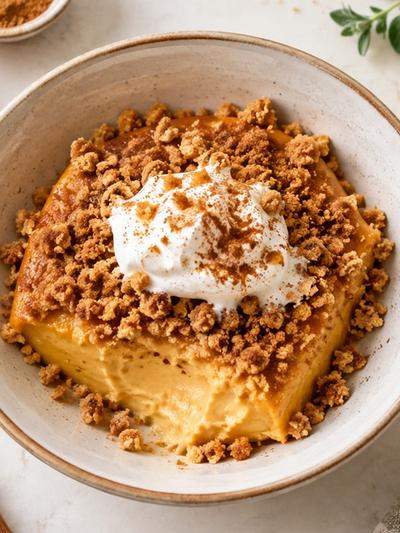
Each serving of these mini cheesecake bites delivers 26 grams of protein and just 295 calories, making them one of the most protein-dense desserts you can make at home. The secret is swapping most of the cream cheese for thick, strained Greek yogurt, which triples the protein while cutting the fat by more than half compared to a traditional cheesecake. A single scoop of vanilla protein powder rounds out the filling without any chalky texture, and two whole eggs bind everything into a silky, set custard.
The flavor is pure American cheesecake — tangy, vanilla-forward, with a bright hit of lemon zest that lifts the richness. A thin graham cracker crust on the bottom gives you that satisfying crunch-to-cream contrast in every bite. The air fryer circulates heat evenly around each silicone cup, producing a gentle bake that keeps the filling smooth and crack-free in just 14 minutes.
For GLP-1 users, portion control is built into the format. Each bite is self-contained, so you eat one or two and naturally stop — no slicing from a full cake and debating whether to cut another piece. The high protein content helps stabilize blood sugar after eating, which matters when your appetite signals are already shifting on medication like Ozempic or Wegovy.
Why This Works on GLP-1
These bites pack 26 grams of protein per three-piece serving, primarily from Greek yogurt and eggs. That level of protein matters because GLP-1 medications accelerate weight loss, and without adequate protein intake, a meaningful portion of that loss comes from lean muscle rather than fat. Research consistently shows that distributing protein across meals and snacks — including dessert — helps preserve muscle mass during active weight loss phases. Having a sweet option that genuinely contributes to your daily protein target means you can satisfy a craving without wasting a meal on empty calories.
The yogurt base also provides a steady source of calcium and probiotics, both of which support digestive health during GLP-1 treatment. Because Mounjaro and similar medications slow gastric emptying, foods that are already partially broken down by bacterial cultures can be easier to tolerate. The gentle, custard-like texture is inherently soft on the stomach, avoiding the heaviness that full-fat cheesecake would cause.
The moderate carbohydrate content from the graham crust and small amount of honey provides just enough sweetness without a blood sugar spike. Combined with the protein and fat, the macronutrient balance creates a slow, even energy release. This is particularly useful for Zepbound users who report energy dips between meals — a protein-rich sweet can bridge that gap without triggering nausea.
Ingredients (serves 4)
For the graham cracker crust:
- 4 full graham cracker sheets (56g)
- 1 tablespoon (14g) unsalted butter, melted
- Pinch of fine sea salt
For the cheesecake filling:
- 2½ cups (575g) plain nonfat Greek yogurt
- 2 oz (56g) light cream cheese (neufchâtel), softened
- 1 scoop (30g) vanilla protein powder (whey or whey-casein blend)
- 2 large eggs, at room temperature
- 2 tablespoons (42g) honey
- 1 teaspoon pure vanilla extract
- Zest of 1 small lemon
- Pinch of fine sea salt
Optional topping:
- ½ cup (75g) fresh berries (blueberries, raspberries, or sliced strawberries)
Instructions
Make the crust:
- Crush the graham crackers into fine crumbs using a zip-top bag and a rolling pin, or pulse briefly in a food processor. You want a sandy, even texture — larger chunks will crumble apart when you bite into the finished cheesecake.
- Stir the melted butter and salt into the crumbs until every bit is evenly moistened. The mixture should hold together loosely when pressed between your fingers.
- Divide the crumb mixture among 12 silicone muffin cups (standard size, not mini). Press firmly into the bottom of each cup using the back of a teaspoon or the flat end of a small jar. A compact crust layer stays intact when you unmold the bites later.
Make the filling:
- In a large bowl, whisk the Greek yogurt and softened cream cheese together until completely smooth. Any lumps of cream cheese will remain as dense pockets in the finished bites, so take a full minute here. A fork works better than a whisk for breaking up the cream cheese initially.
- Sift or sprinkle the protein powder over the yogurt mixture and fold it in gently. Adding it gradually prevents clumping that you would struggle to smooth out later.
- Add the eggs one at a time, stirring after each just until the yellow streak disappears. Overbeating eggs incorporates excess air, which causes the tops to puff and then crack as they deflate.
- Stir in the honey, vanilla extract, lemon zest, and salt. The batter should be pourable and uniformly smooth.
Fill and air fry:
- Spoon or pour the filling into the prepared silicone cups, filling each about three-quarters full. They will rise slightly during cooking and settle back as they cool.
- Working in two batches of six, place the filled cups directly on the air fryer basket or tray. Set the air fryer to 300°F (150°C) and cook for 14 minutes. The low temperature is essential — higher heat causes the exterior to set before the interior, resulting in cracks and a rubbery texture.
- The bites are done when the edges are set but the centers still have a slight jiggle, similar to panna cotta. They will firm up completely as they cool. Do not overcook — a fully firm center in the air fryer means a dry, grainy bite once cooled.
- Remove the cups carefully and let them cool on the counter for 15 minutes, then transfer to the refrigerator for at least 2 hours before unmolding. The chilling time is what transforms the texture from soft custard to proper cheesecake.
Unmold and serve:
- Gently push each bite up from the bottom of the silicone cup. They should release cleanly. If any resist, run a thin knife around the edge first.
- Top with fresh berries if desired, and serve cold. Three bites per serving.
Nutrition per Serving
| Nutrient | Amount (approx.) |
|---|---|
| Calories | ~295 kcal |
| Protein | ~26g |
| Fat | ~9g |
| Carbohydrates | ~28g |
| Fiber | ~1g |
Based on 3 bites per serving using nonfat Greek yogurt, neufchâtel cream cheese, and whey protein powder. Berries not included in totals.
Practical Notes
Protein powder choice matters here. Use a whey or whey-casein blend for the smoothest texture. Pure casein powders can make the filling gummy, and plant-based powders sometimes lend a gritty mouthfeel in a baked custard. If your protein powder is sweetened, reduce the honey to 1 tablespoon to keep the overall sweetness in check.
These keep beautifully for meal prep. Store unmolded bites in an airtight container in the refrigerator for up to 5 days. They actually taste better on day two, once the flavors meld and the texture firms completely. Keep berries separate and add them just before eating to prevent sogginess.
You can freeze them for longer storage. Place individual bites on a parchment-lined tray, freeze until solid (about 2 hours), then transfer to a freezer bag. They keep for up to 6 weeks. Thaw in the refrigerator for 4 hours — do not microwave, as the custard texture breaks down with reheating.
Silicone cups are non-negotiable for easy release. Paper liners stick to the yogurt filling and tear apart when you try to peel them. If you only have a metal muffin tin, spray each cup generously with cooking spray and line the bottom with a small parchment circle. Silicone cups can be found at any kitchen supply store and are reusable indefinitely.
For smaller GLP-1 appetites, one or two bites is a complete snack. At roughly 9 grams of protein per individual bite, even a single piece contributes meaningfully to your daily intake. Wrap individual bites in plastic wrap so you can grab one from the fridge without exposing the rest to air.
Frequently Asked Questions
Will these cheesecake bites trigger nausea on GLP-1 medication?
Can I make these dairy-free or with a different yogurt?
How should I store and reheat these cheesecake bites?
What if my appetite is very small and three bites feels like too much?
Why does the recipe call for such a low air fryer temperature?
This article provides general food and nutrition guidance only. It does not constitute medical advice. Always consult your healthcare provider regarding your GLP-1 medication and individual nutritional needs.