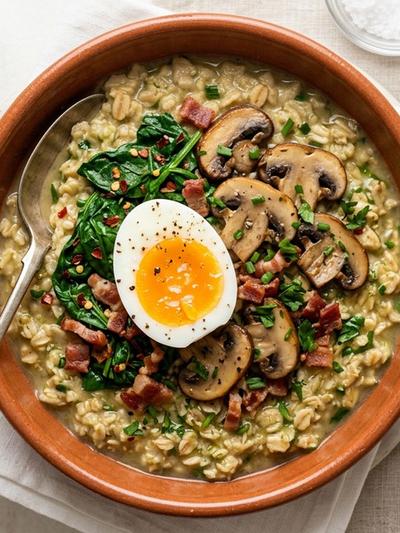
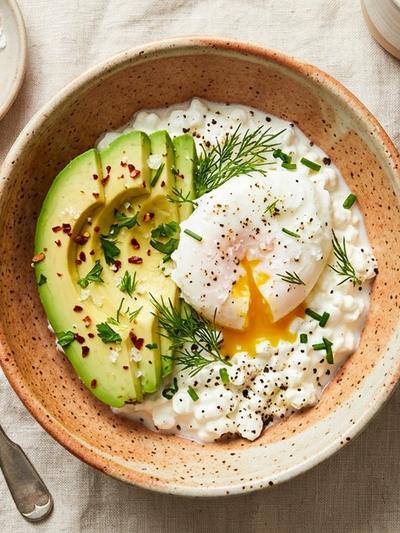
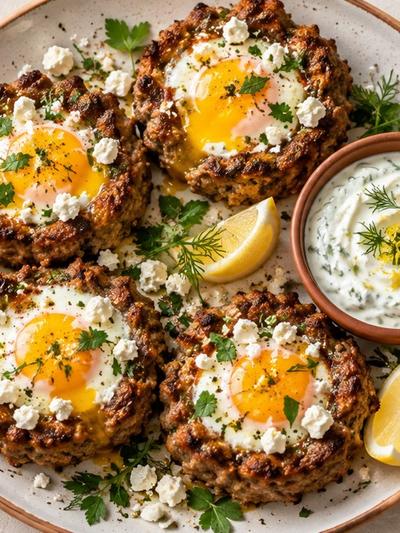
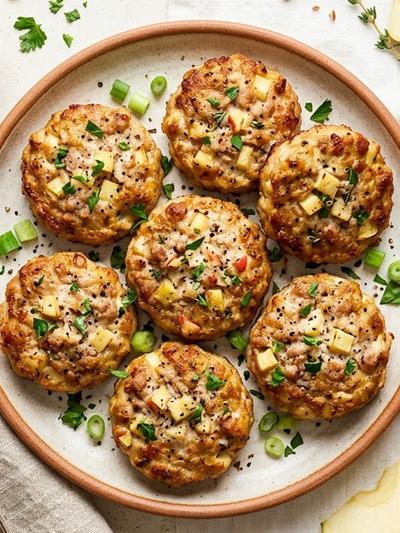
On GLP-1 medications, many users find that their caloric intake drops substantially — sometimes to 1,000–1,400 calories per day, particularly in the early weeks of treatment. At that intake level, every meal must work harder than it ever has before. Protein needs do not decrease just because appetite does; in fact, protecting muscle mass during rapid weight loss requires consistent protein intake throughout the day, including at breakfast.
This egg white and vegetable scramble was designed with that constraint at the center. Six egg whites provide lean protein with virtually no fat, while one whole egg adds richness, flavor, and fat-soluble nutrients including choline and vitamin D. The result is a breakfast with 22 grams of protein and approximately 130 calories — a protein-to-calorie ratio that is difficult to match at this meal.
The vegetables — spinach, tomatoes, and mushrooms — are chosen deliberately. They are all high in water content, which adds volume and visual satisfaction without caloric load. Mushrooms specifically contain umami compounds that increase perceived savory richness, making a simple egg white dish taste more substantial than it would otherwise. For GLP-1 users who find that food has lost some of its appeal, umami flavors tend to remain palatable even when appetite is significantly blunted.
Why This Works on GLP-1
GLP-1 medications work in part by signaling the brain that the body is fed — but that signal does not account for actual nutrient sufficiency. It is entirely possible to feel full from a small volume of food while still being deficient in protein, particularly if that small volume is calorie-dense rather than protein-dense.
Egg whites are one of the most bioavailable protein sources in any diet. Their amino acid profile is nearly ideal for human muscle protein synthesis, and they are digested without the fat load that can occasionally exacerbate nausea in Wegovy or Zepbound users. The addition of one whole egg introduces dietary fat in a controlled way, which also slows the absorption of the meal and extends satiety further.
Spinach contributes folate, magnesium, and iron — nutrients that are often undersupplied in low-calorie eating patterns. Tomatoes add vitamin C, which enhances iron absorption from the eggs. These are not incidental choices; they are functional pairings that support nutritional completeness in a very small meal.
Ingredients (serves 1)
- 6 large egg whites (approximately 180ml if using carton egg whites)
- 1 large whole egg
- 1 cup (30g) fresh baby spinach, loosely packed
- ½ cup (75g) cherry tomatoes, halved
- ½ cup (45g) mushrooms, thinly sliced (cremini or button)
- 1 clove garlic, minced
- 1 tsp (5ml) olive oil
- Salt and black pepper to taste
- Optional: pinch of red pepper flakes, fresh herbs (chives, basil, or flat-leaf parsley)
Instructions
- In a small bowl, whisk the egg whites and whole egg together until uniform. Season lightly with salt and pepper. Set aside.
- Heat olive oil in a non-stick skillet over medium heat. When the oil shimmers, add the mushrooms in a single layer. Cook without stirring for 2 minutes to allow them to brown slightly.
- Add the minced garlic and cherry tomatoes. Cook, stirring occasionally, for 1–2 minutes until the tomatoes just begin to soften.
- Add the spinach and stir briefly until wilted, about 30–45 seconds.
- Reduce heat to medium-low. Pour the egg mixture over the vegetables.
- Using a silicone spatula, gently push the eggs from the edges toward the center, creating large, soft curds. Do not stir constantly — allow the eggs to set slightly between each fold.
- Remove from heat when eggs are just set but still slightly glossy (they will continue cooking from residual heat). Overcooking egg whites produces a rubbery texture.
- Transfer to a plate immediately and garnish with fresh herbs if using. Serve at once.
Nutrition per Serving
| Nutrient | Approximate Amount |
|---|---|
| Calories | ~130 kcal |
| Protein | ~22g |
| Fat | ~5g |
| Carbohydrates | ~5g |
| Fiber | ~1.5g |
Values are estimates and will vary based on specific brands and serving sizes.
Practical Notes
Carton egg whites save time and reduce waste. Separating 6 eggs every morning is impractical for daily meal prep. Carton egg whites from the refrigerator section allow you to measure exact amounts without effort and keep for several weeks unopened.
Low and slow is the method. Egg whites cooked over high heat turn rubbery and dry — textures that GLP-1 users with appetite sensitivity tend to find unappealing. Medium-low heat and large, gentle folds produce a soft, creamy curd that is significantly easier to eat when appetite is limited.
Mushrooms can be prepped in advance. Slice a full package of mushrooms at the start of the week, store in an airtight container lined with a paper towel, and use as needed. They keep well for 4–5 days refrigerated.
Add cheese sparingly if needed. A tablespoon (10g) of feta or parmesan adds flavor and a small amount of additional protein without substantially increasing calories. This can make the meal more palatable on low-appetite mornings.
This recipe scales easily. If preparing for two people, simply double all ingredients and use a larger skillet. The cooking time increases by only 1–2 minutes.
Avoid overcrowding the pan. If the pan is too small for the vegetable volume, the vegetables will steam rather than sauté, releasing water that makes the final scramble watery. Use a skillet at least 25cm (10 inches) in diameter.
Frequently Asked Questions
Can I use all whole eggs instead of mostly egg whites?
What vegetables can I swap in based on what I have?
This recipe is listed as 130 calories — will that be enough to sustain me until lunch?
Is this a good option when I have GLP-1-related nausea in the morning?
Can I prep this scramble in advance and reheat it?
This article provides general food and nutrition guidance only. It does not constitute medical advice. Always consult your healthcare provider regarding your GLP-1 medication and individual nutritional needs.